How to Create an AI Influencer?
Thinking about making your own digital star? It's not as complicated as it sounds. We're talking about AI influencers – these virtual personalities that can build a huge following online. They don't need sleep, don't get tired, and can be in a million places at once. If you've ever wanted to build a brand or share content without being on camera yourself, this guide is for you. We'll walk through how to create an AI influencer, from making them look and sound real to getting them noticed and mak
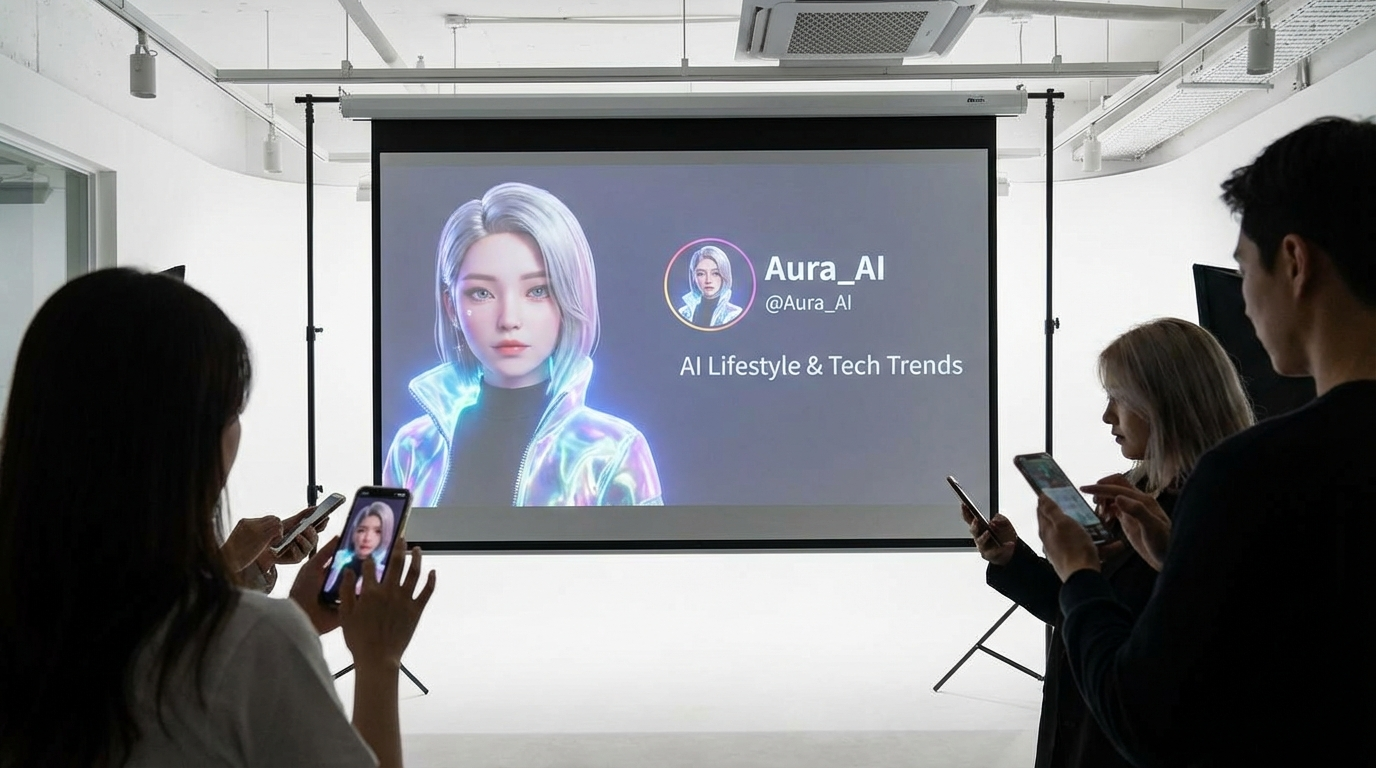
Thinking about making your own digital star? It's not as complicated as it sounds. We're talking about AI influencers – these virtual personalities that can build a huge following online. They don't need sleep, don't get tired, and can be in a million places at once. If you've ever wanted to build a brand or share content without being on camera yourself, this guide is for you. We'll walk through how to create an AI influencer, from making them look and sound real to getting them noticed and making money.
Key Takeaways
- Building an AI influencer involves putting together different tools like image makers, voice generators, and video models to create a virtual person that feels real and can grow.
- AI influencers give you total control over your brand, can create content all the time, and are generally cheaper in the long run compared to using real people.
- To make your AI influencer believable and avoid that 'creepy' feeling, focus on making their lip movements and animations look natural, almost like a real person.
Designing Your Digital Persona
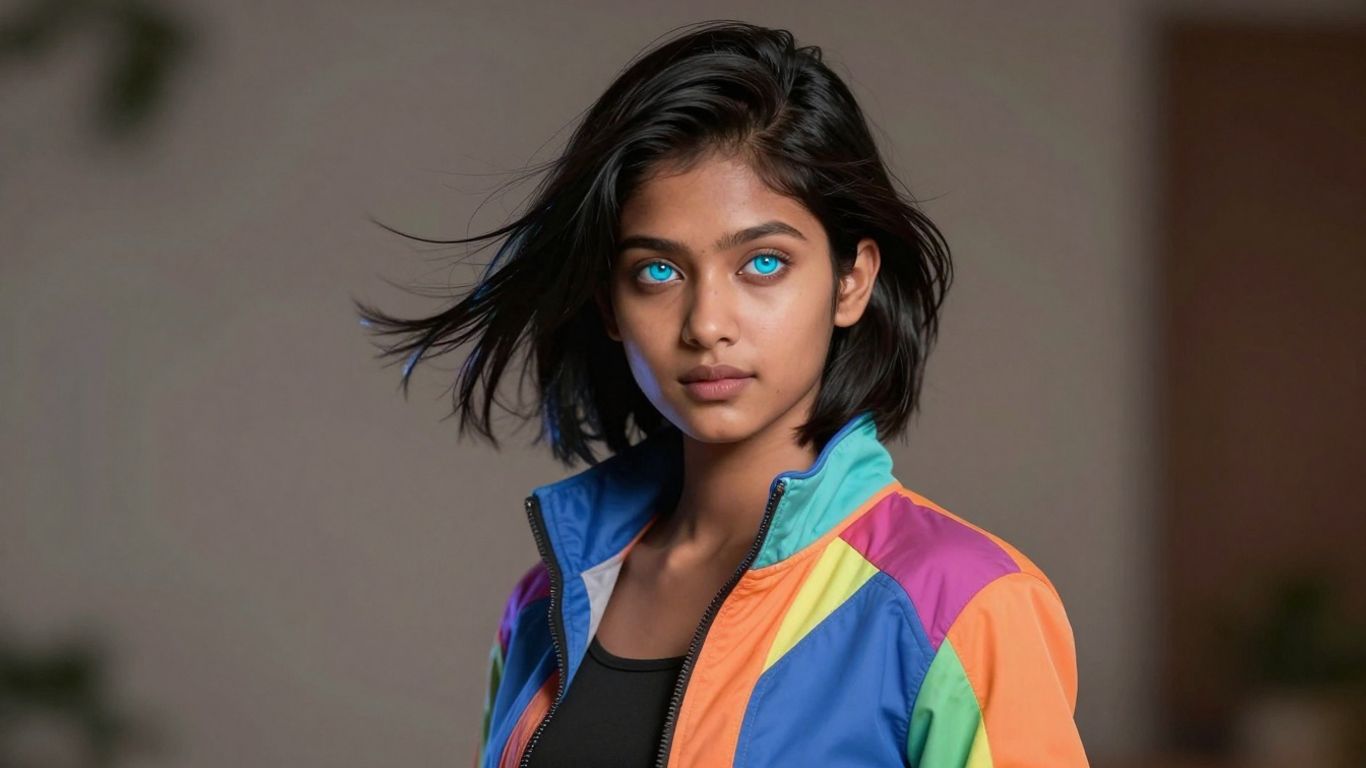
Creating an AI influencer starts with building its core identity. This isn't just about making a pretty face; it's about crafting a digital being that people can connect with. Think of it like developing a character for a story, but this character will live and interact online.
Crafting A Unique Visual Identity
First impressions matter, especially online. Your AI influencer needs a look that stands out. This means deciding on everything from facial features and body type to clothing style and overall aesthetic. You'll want a visual that's memorable and fits the niche you're aiming for. Many AI tools allow you to generate images from text prompts, letting you iterate quickly until you get something just right. It's important to keep this look consistent across all your content, whether it's for social media. A consistent appearance helps build brand recognition and makes your influencer feel more real to the audience. Remember, in 2024, realistic human-style avatars made up a significant portion of virtual influencers, showing a strong preference for lifelike digital characters.
Developing A Distinctive Voice And Personality
Beyond looks, your AI influencer needs a voice and a personality. This is what will make it relatable and engaging. Will it be witty and sarcastic, or kind and informative? The voice you choose, whether through text-to-speech or voice cloning, needs to match this personality. It's not just about sounding human, but sounding like this specific character. You can use AI tools to generate speech that syncs perfectly with your avatar's movements, making the whole presentation feel natural. Developing a unique tone and content style is key to building a presence that feels authentic, even though it's artificial. This involves thinking about how your influencer would react to different situations and what kind of language they would use. It's about creating a digital persona that has depth and character, making it more than just a digital puppet.
Building a believable AI influencer requires attention to detail. From the visual design to the spoken word, every element contributes to how the audience perceives your creation. Prioritizing quality in animation and voice synthesis helps avoid the 'uncanny valley' and makes your influencer feel more like a real personality.
Here's a quick breakdown of what to consider:
- Visuals:
- Facial features
- Hair and eye color
- Body type
- Fashion sense
- Overall aesthetic (e.g., futuristic, vintage, minimalist)
- Personality Traits:
- Humor (witty, dry, slapstick)
- Temperament (calm, energetic, serious)
- Interests and hobbies
- Values and beliefs
- Voice:
- Pitch and tone
- Accent or dialect
- Speaking speed
- Emotional range
Getting these elements right is the first step toward creating an AI influencer that can connect with a real audience. It's a creative process that blends art and technology, and the results can be quite compelling when done well. You can explore different models on Eachlabs for your AI influencer.
Bringing Your AI Influencer To Life
So, you've got a cool concept for your AI influencer, maybe a killer look and a solid backstory. Now comes the fun part: making them actually move and talk in a way that feels real. This is where the magic happens, turning static images into a dynamic personality that can actually connect with people.
Generating Realistic Avatars And Animations
First things first, you need a digital body for your influencer. This means creating a 3D model that looks good and can be animated. Think about the details – how their hair moves, the way their clothes drape, and subtle facial features. The goal is to get a model that looks believable, not like a video game character from the early 2000s.
Once you have the right image model to create your ai influencer, you need to bring it to life with videos. This involves making them walk, gesture, and express emotions. For simpler content, you might use motion capture models. For more complex stuff, you'll be keyframing movements, which is time-consuming but gives you total control. The better your avatar and animations, the more believable your influencer will be.
Mastering Lip Sync And Expressive Gestures
This is often the trickiest part. Nobody likes watching a video where the mouth movements are totally off. You need your AI influencer's lips to sync perfectly with their spoken words. This is where specialized AI tools come in handy. Models like Kling Avatar, Bytedance omnihuman etc. take your audio and automatically generate realistic lip movements for your avatar.
Beyond just lip-syncing, you need to think about expression. A flat, emotionless face won't keep people engaged. Your AI influencer needs to convey happiness, surprise, or thoughtfulness through their facial expressions and body language. This can be achieved through:
- Facial Rigging: Ensuring your 3D model has enough control points to allow for a wide range of expressions.
- Performance Capture: Using real actors' movements and expressions as a base, then applying them to your AI model.
- AI-Driven Animation: Some advanced tools can generate expressions based on the emotion detected in the audio.
Getting the lip sync and expressions right is what separates content that feels a bit creepy from content that actually feels alive. It takes practice and the right tools, but nailing this makes a huge difference in how audiences perceive your virtual creation.
Think about how real people talk. They don't just stand there; they use their hands, nod, tilt their heads, and their eyebrows move. Adding these subtle gestures makes your AI influencer feel much more human and relatable. It’s the little things that build trust and keep viewers watching.
Scaling And Monetizing Your Virtual Brand
So, you've got your AI influencer looking sharp and sounding great. Now what? It's time to think about how to grow that following and, let's be honest, make some money. This isn't just about posting pretty pictures anymore; it's about building a real brand.
Strategies For Audience Growth And Engagement
Growing your AI influencer's audience is a marathon, not a sprint. You need a solid plan to keep people interested. Think about what makes your AI unique and lean into that. Consistency is key here. Posting regularly keeps your audience engaged and signals to algorithms that your content is active.
Ready to grow your virtual brand? Learn how to make it bigger and earn more money. Visit our website today to discover the models.
Wrapping It Up
So, building an AI influencer might sound like something out of a sci-fi movie, but as we've seen, it's totally doable with the right tools. It's not about replacing real people, but more about finding new ways to share stories and build brands online. Think of it as having a super-powered assistant for your content. Whether you're a business looking for a consistent brand voice or an individual wanting to share your ideas without being on camera, AI influencers offer a pretty cool path forward. Just remember to be upfront about it and have fun with it!
Frequently Asked Questions
What do I need to start making an AI influencer?
You don't need to be a tech wizard! Basic computer skills and ideas for your influencer's look and personality are enough. You'll use easy-to-use online tools that help with things like making the avatar look real and making it talk.
How can I make money with my AI influencer?
You can make money in a few ways! Brands might pay you to feature their products, similar to how real influencers do. You could also sell digital items related to your influencer, like special filters or cool designs. Sometimes, you can even let other companies use your AI influencer in their ads for a fee.
What makes an AI influencer successful on social media?
Just like with human influencers, it's all about being unique and consistent! Having a cool, distinct look for your AI, posting regularly, and telling interesting stories helps a lot. Also, making sure the videos look really good and professional keeps people watching.