The Best Text-to-Image AI Models for Designers
2025 is seen as the beginning of an era where creative production processes are being redefined through artificial intelligence. Designers are no longer just people who make aesthetic decisions; they have become creative strategists who manage information architecture, work with data, and co-create with AI models. One of the most prominent reflections of this transformation is the rise of text-to-image models as the central tool of the design industry. From sketching to concept development, fro
2025 is seen as the beginning of an era where creative production processes are being redefined through artificial intelligence. Designers are no longer just people who make aesthetic decisions; they have become creative strategists who manage information architecture, work with data, and co-create with AI models.
One of the most prominent reflections of this transformation is the rise of text-to-image models as the central tool of the design industry. From sketching to concept development, from product design to advertising campaigns, and even to building brand identity, many processes are now accelerated by visual generation systems guided by words.
In this article, we examine the most successful text-to-image models heavily used by designers in 2025. Each model is built on a specific strength: some specialize in photorealistic product visuals, others are ideal for stylization and illustration; some generate cinematic compositions, while others excel in ultra-detailed material textures.
The aim is to give designers a clear understanding of which model is most suitable for which aesthetic need, atmospheric language, or technical output. This way, the right model can be chosen for each project, elevating visual quality to the next level.
The 5 Most Popular Text-to-Image Models
Nano Banana Pro
Product visualization lies at the heart of modern design processes, and Nano Banana Pro has become one of the most reliable tools for designers in this field. The model simulates light and material physics with remarkable accuracy, producing glass, metal, liquid, leather, and plastic surfaces as cleanly as a real studio photoshoot. Its greatest advantage is that designers can achieve a premium brand aesthetic without expensive studio productions.
This model is especially invaluable for advertising agencies, product design teams, and designers working with e-commerce visuals.
Flux 2
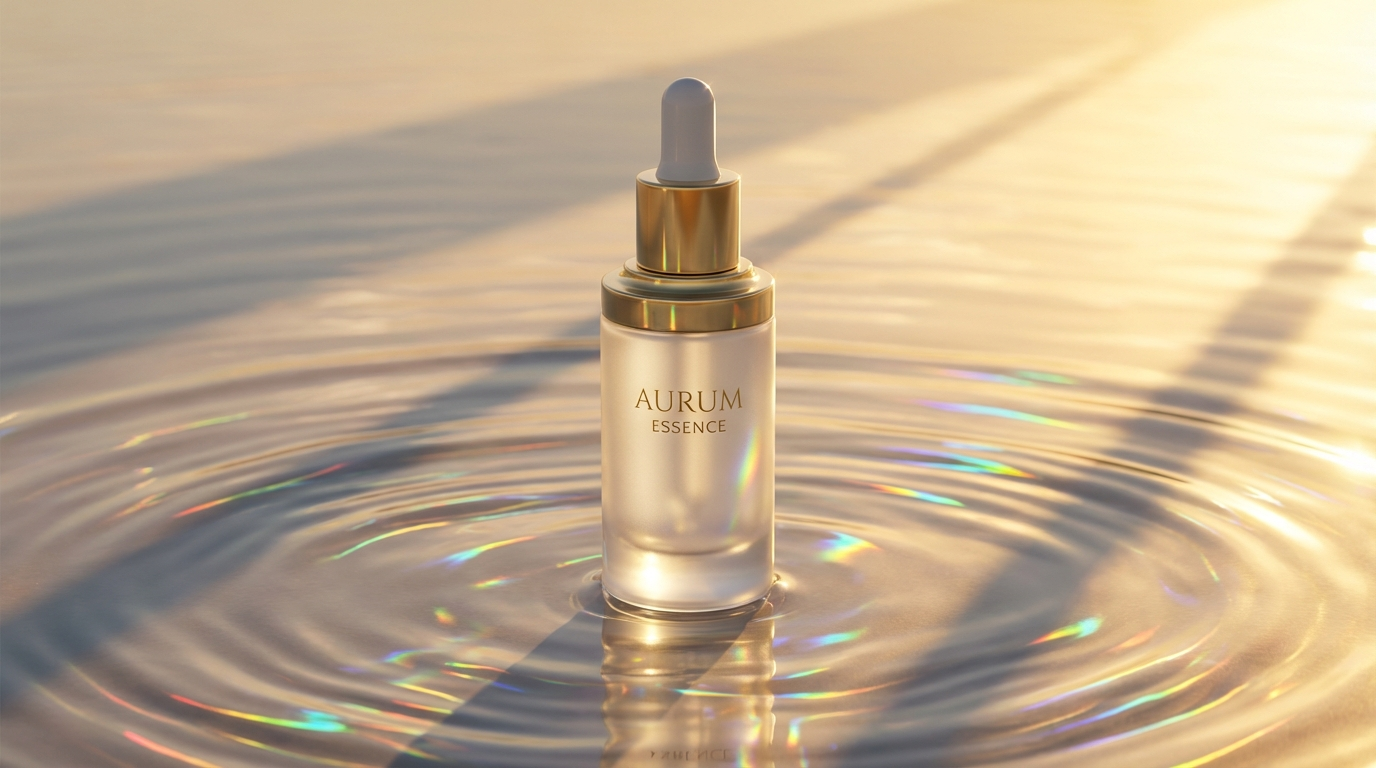
Flux 2 is the choice for those who seek not just “beautiful visuals,” but refined realism, sharper typography, directly editable scenes, and strong cinematic storytelling. When you want to create hyper-detailed concept scenes, film-like atmospheres, flawless poster designs with embedded text, product-focused visuals, or modern sci-fi compositions, Flux 2’s advanced light-processing engine, dramatic cinematic grading, and enhanced accuracy deliver exceptional results.
This model is frequently preferred for campaign productions, brand visualization, product launches, cinematic concept development, and professional-level creative work, because its outputs elevate a project both technically and aesthetically offering film-quality atmosphere.
Flux 2 is not just a tool for designers; it is like a digital “advanced cinematic creation laboratory.”
Seedream V4
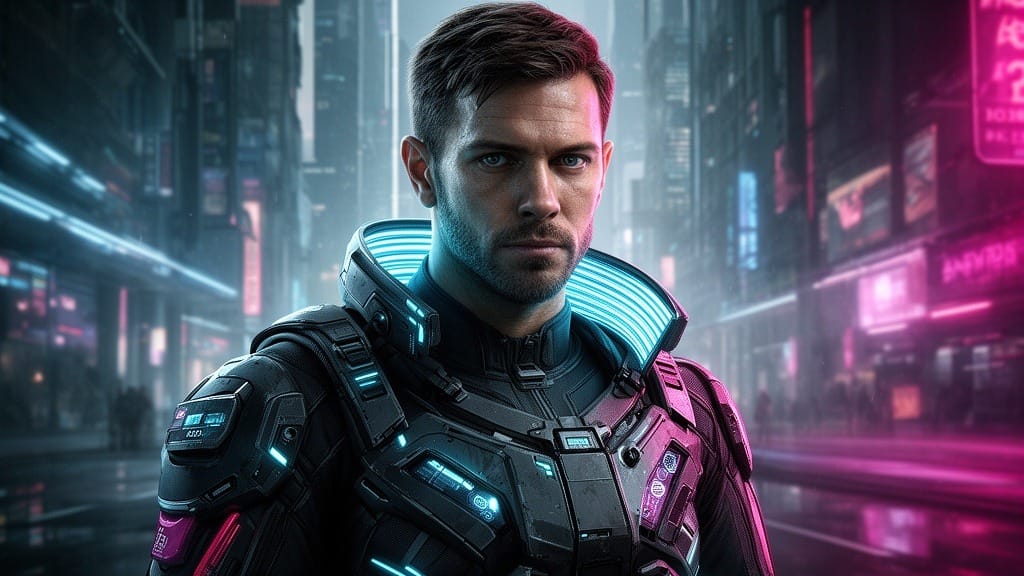
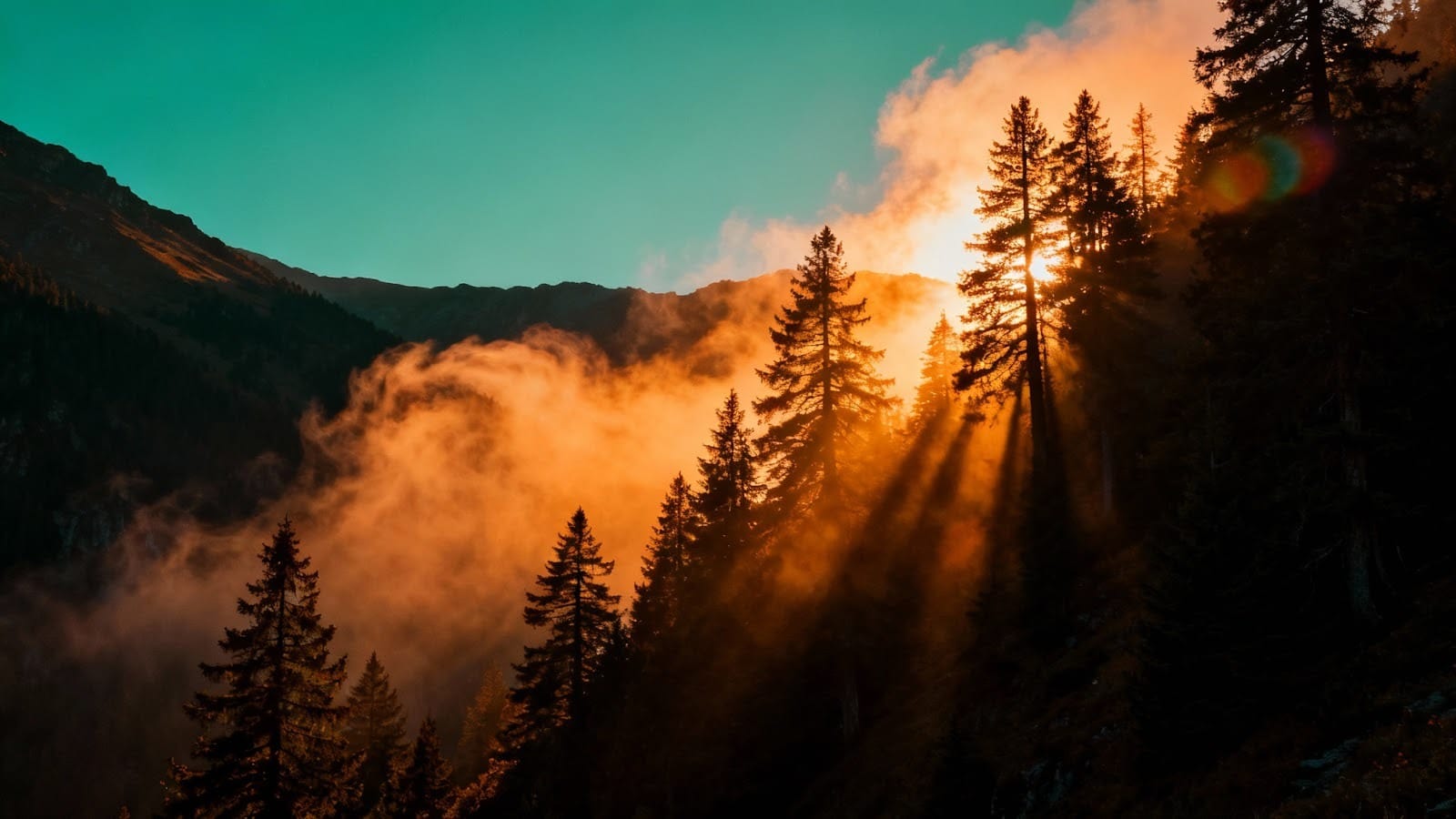
Seedream has become one of the most trusted tools for designers who want to create cinematic atmosphere. This model doesn’t just generate a scene; it establishes a cinematographic language in which light drifts through the air, shadows create a dramatic rhythm, and colors carry emotional weight. Seedream’s signature lies especially in fog, volumetric lighting, haze layers, and high-emotion color transitions. When a photograph or concept scene is processed through this model, it doesn’t just become visually stronger. It also gains a more narrative, more atmospheric, and more cinemascope-like quality.
Seedream is used in many fields from film posters to game concept scenes, from dramatic-atmosphere advertising campaigns to story-driven moodboard production. It is an especially powerful creative partner for any project that aims to express emotion through atmosphere.
Reve
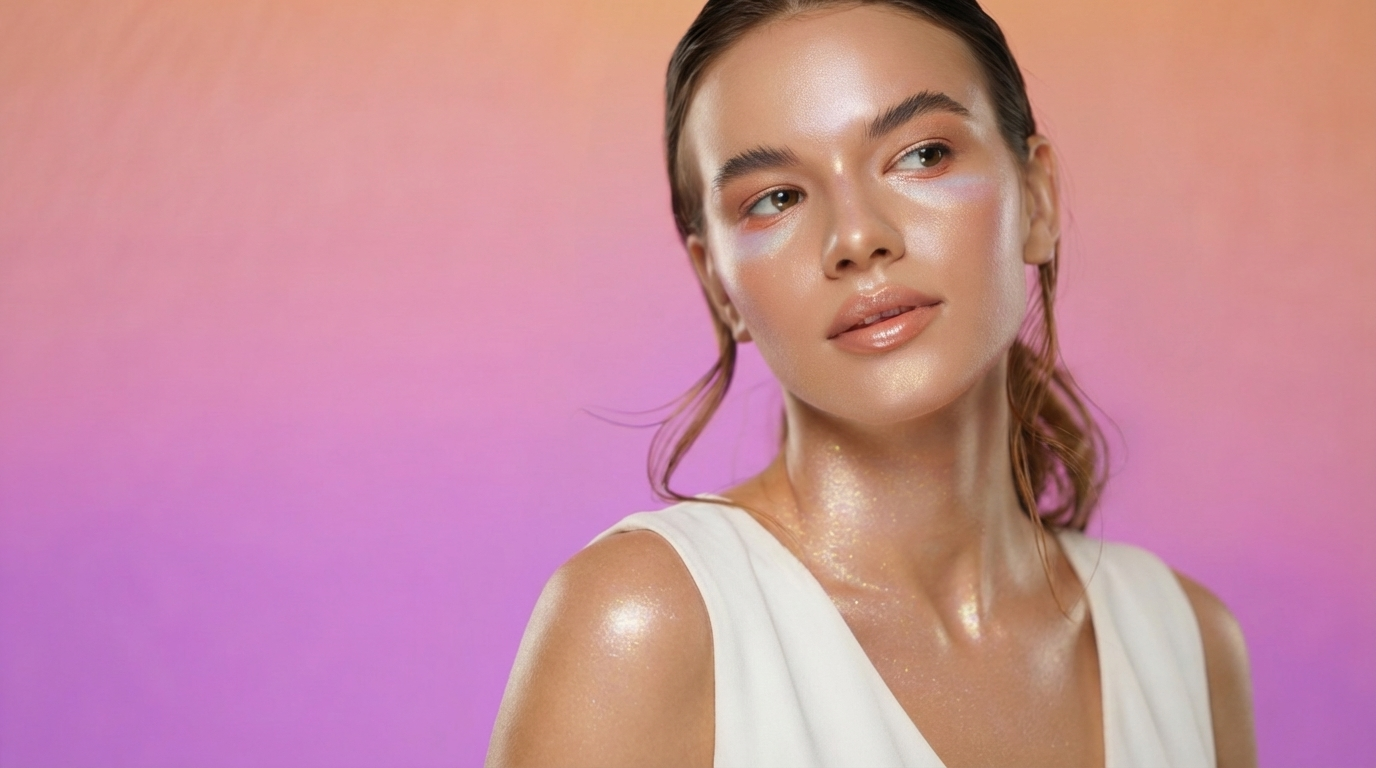
Reve is one of the leading models for producing realistic scenes and photo-like images. It carries an aesthetic approach close to minimal, luxury, and editorial styles, working with soft highlights, flawless tonal transitions, and balanced lighting. Especially in fashion, beauty, and lifestyle projects, it has become one of the preferred tools for designers thanks to its results that closely resemble real photography.
The model’s most notable strength is its ability to capture even the smallest details in a prompt with high accuracy and aesthetic sensitivity. From facial textures to light reflections, from composition structure to color tones, it processes every layer with care, bringing the visual to a cohesive photographic quality.
Reve is a powerful solution for designers who want to produce realistic and refined scenes for brand identity projects, editorial campaigns, social media content, and luxury-focused visual productions.
Wan 2.5 Preview
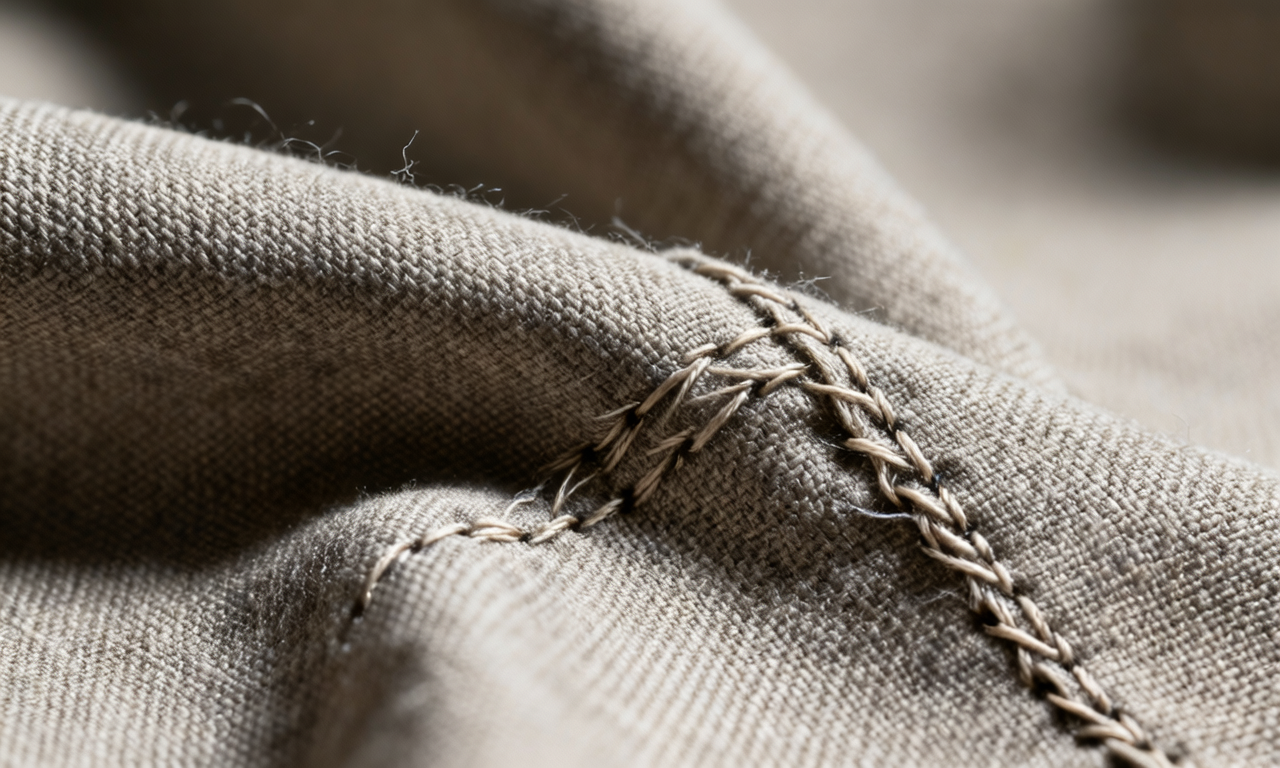
Wan 2.5 Preview is one of the best text-to-image models of 2025 when it comes to micro-texture accuracy. It reconstructs the direction of fabric fibers, hairline scratches on metal surfaces, the natural pore structure of leather, and material interaction with extraordinary precision. For this reason, it is especially favored by fashion designers, industrial design teams, and studios developing game assets. Thanks to its hyper-realistic surface simulations, you can demonstrate how a material will look, how it reflects light, or what its tactile feel might be even before entering the production stage. It also behaves consistently in realistic scene creation; it not only adds detail to objects but also repositions them within a natural lighting logic.
Wan 2.5 Preview offers an effective solution for any conceptual work that requires hyper-detail and technical accuracy.
Bonus: Midjourney
Although it is not a model built for technical precision, Midjourney remains one of the most influential inspiration tools in the design world in 2025. Its understanding of composition, lighting, color harmony, and scene design offers a distinctly artist-first perspective.
The visuals generated by Midjourney often look as if they were crafted by a photographer, an art director, or a concept artist. For this reason, professional designers still frequently rely on Midjourney during idea-development stages. In early phases such as moodboard creation, campaign aesthetic exploration, new product form discovery, and stylistic direction setting, the model’s wide creative range provides a major advantage.
When guided correctly, Midjourney can also produce photorealistic results. Its true power emerges when combined with sref codes, style references, and camera parameters. This structure allows designers to control their desired aesthetic direction with millimetric precision. As a result, Midjourney becomes an almost limitless creative laboratory for both style exploration and defining the atmosphere of a project.
In conclusion, Midjourney is still considered unrivaled in generating unique visuals. Its strength comes not only from resolution, but from emotional impact and aesthetic coherence—making it indispensable for designers.
Final Thoughts: Which Model Should Designers Choose?
The standout text-to-image models of 2025 no longer simply generate images; they fundamentally reshape the nature of design workflows. A concept can transform from a rough sketch into a photorealistic product, and a moodboard can evolve from a few lines of description into a cinematic scene. These models adapt to the designer’s pace of thought, removing the technical barriers that once restricted creativity.
Today’s tools offer a vast visual spectrum from photorealistic product designs to stylized illustrations, from luxurious editorial aesthetics to large-scale concept environments. Each model carries its own creative language: some deliver flawless realism, others add a distinct artistic expression, while some can construct dramatic atmosphere with a single command.
For this reason, the question is no longer “Which model is stronger?” but rather “Which emotion and aesthetic are we aiming for?” When the right model, the right prompt, and the right style references come together, the production process not only accelerates but becomes more original, more intuitive, and more impactful. For designers, the true power lies in turning these models from mere tools into genuine creative partners.