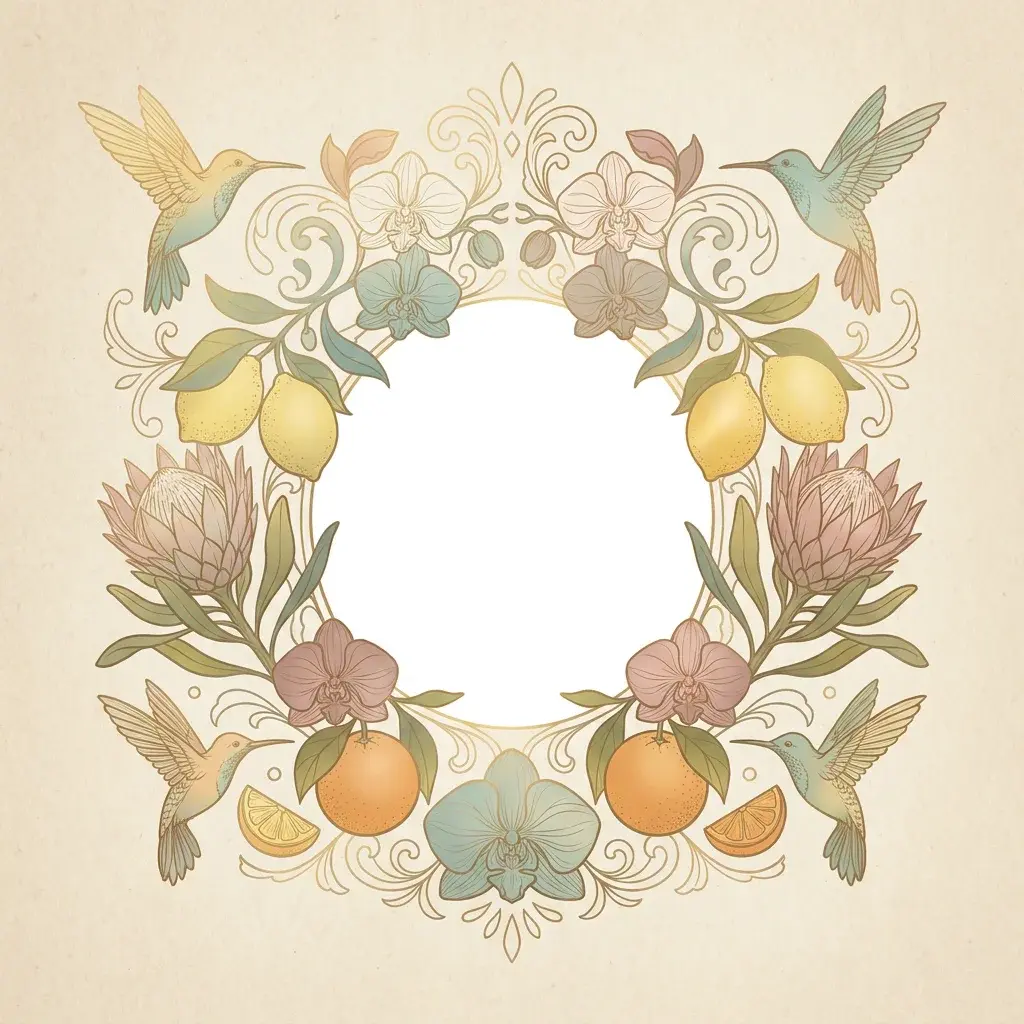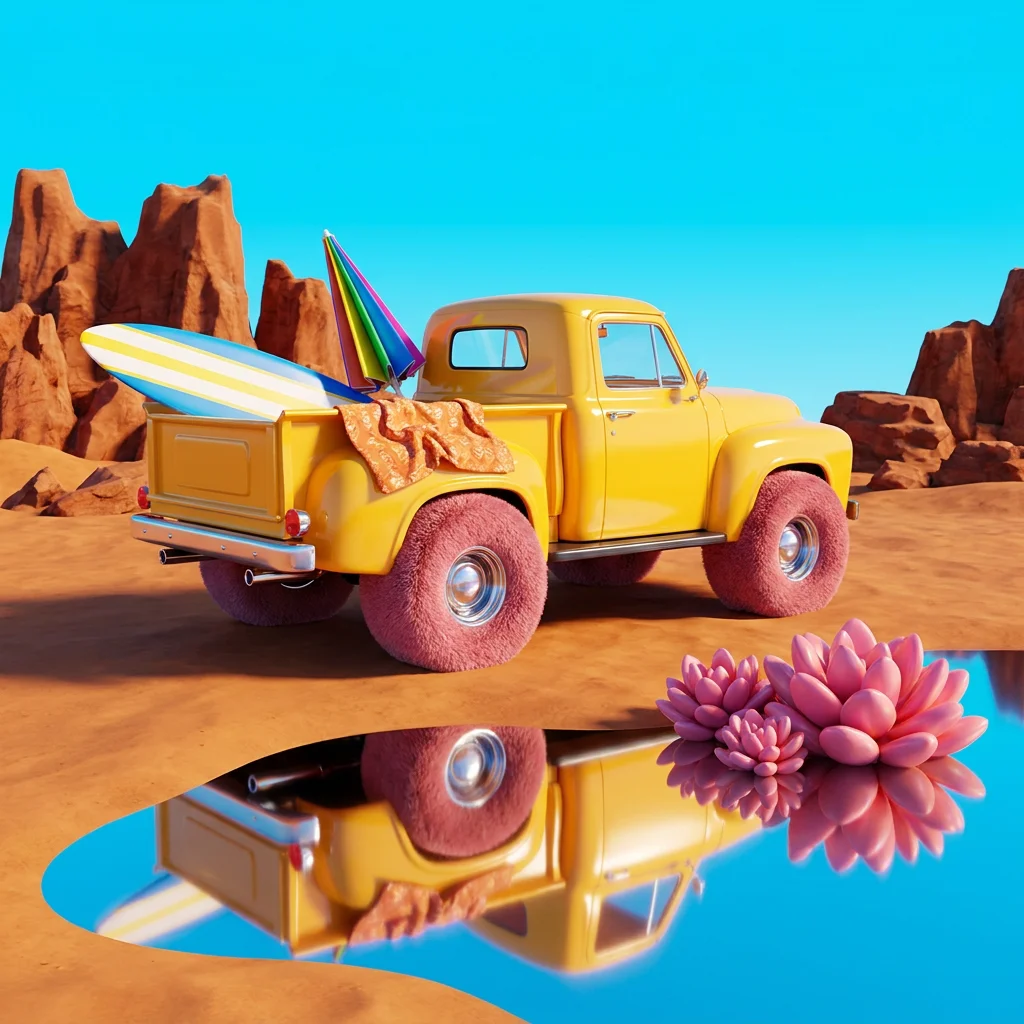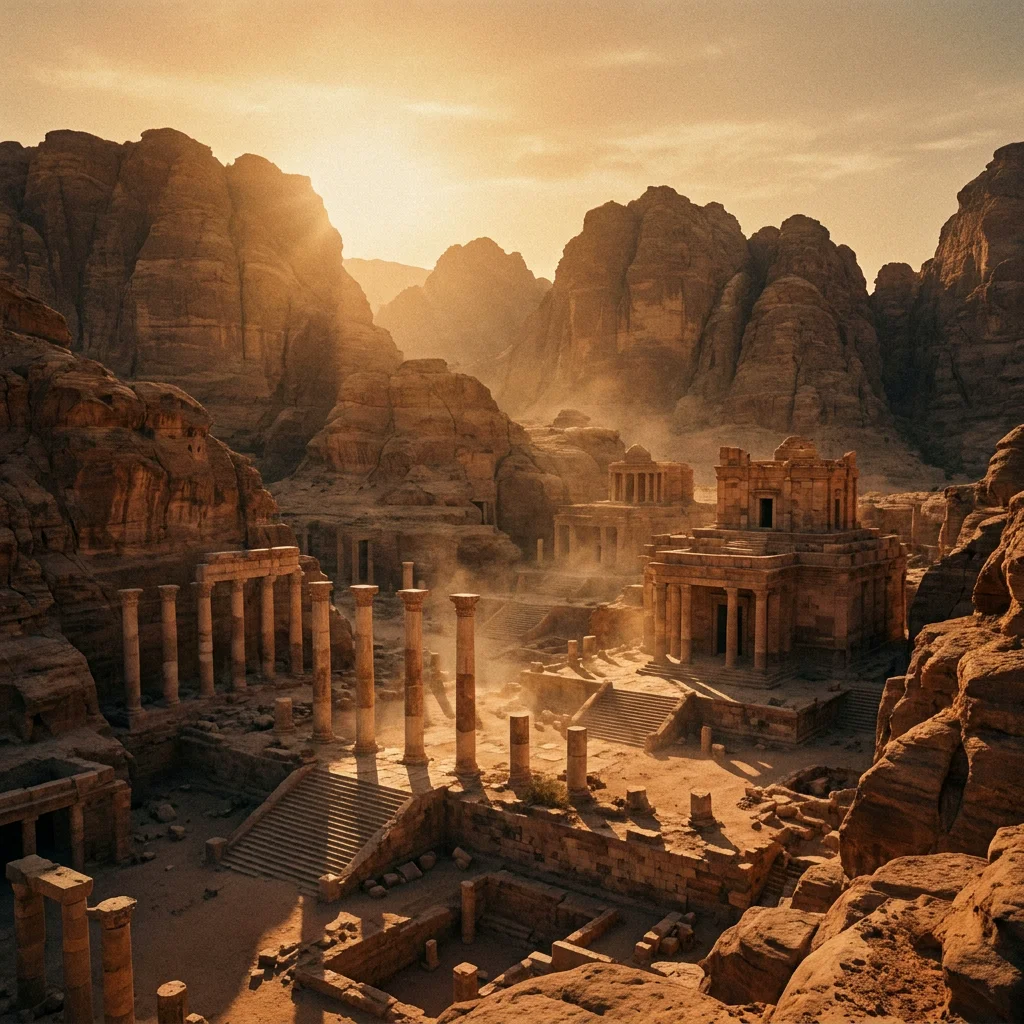
Reve 2.1 Text to Image
Reve 2.1 Text-to-Image generates images from prompts, with reliable layout control, faithful prompt adherence, and clean text rendering built for design work.
- Runtime (p50)
- 1m
- Estimated price
- $0.25 / image
Overview
Reve 2.1 Text to Image Overview
Reve 2.1 Text to Image is a next-generation 4K image generation model from Reve AI that turns natural language prompts into highly structured, print-ready visuals. It is part of the Reve Image family, which combines text-to-image generation with layout-aware editing and vision capabilities. The core differentiator of Reve 2.1 Text to Image is its two-step architecture: the model first plans an image as a structured, editable layout and only then renders it to pixels, enabling reliable composition control, faithful prompt adherence, and unusually clean in-image text. This makes Reve 2.1 Text to Image particularly strong for marketing materials, posters, packaging mockups, and any design work where text, hierarchy, and precise positioning matter.
Capabilities
Capabilities
- Generate native 4K images directly from text prompts, producing print-ready output without a separate upscaling stage.
- Plan each image as a structured, editable layout, with positions, sizes, and local descriptions for objects and text, prior to rendering.
- Render dense, legible in-image text, including foreign scripts and multilingual typography, suitable for posters, labels, and signage.
- Offer precision editing at the element level, allowing selective re-rendering of individual regions without rebuilding the entire image.
- Demonstrate high prompt adherence and improved world knowledge, following complex, multi-part prompts reliably.
- Handle dense and complex scenes, reasoning about structure, hierarchy, and spatial relationships between many elements.
- Support image-editing workflows that modify existing layouts, enabling iterative design refinement over multiple generations.
- Deliver competitive quality, ranked near the top of public text-to-image leaderboards for overall visual fidelity and layout intelligence.
Use cases
Use Cases for Reve 2.1 Text to Image
Designers can use Reve 2.1 Text to Image to create high-end posters, event graphics, and brand assets where 4K resolution and precise text placement are required, leveraging its layout-first planning and multilingual typography. A typical prompt might be: “4K concert poster with band name in large neon text at the top, venue and date centered below, and a crowd silhouette at the bottom.” Marketers benefit from its strong prompt adherence and readable call-to-action text, generating campaign visuals that match detailed creative briefs. For example: “E-commerce banner featuring a sneaker on the right, bold headline ‘Summer Drop’ on the left, and a red ‘Shop now’ button at the bottom.” Developers integrating the Reve 2.1 Text to Image API via each::labs can automate generation of templated product imagery, packaging mockups, or localization variants by programmatically updating layout text and assets. Creators can iterate on complex scenes—such as “Fantasy book cover with a castle in the background, main character in the foreground, and ornate title text at the top in French”—while selectively refining individual elements using the model’s precision editing capabilities.
Tips & tricks
Tips and Tricks
Because Reve 2.1 Text to Image plans its images as structured layouts, the most effective prompts describe composition and hierarchy explicitly. Include details like “centered headline,” “bottom-right logo,” or “background pattern behind the product” so the model can assign positions and sizes during the planning step. When using the Reve 2.1 Text to Image API on each::labs, treat prompts as design briefs: specify typography (bold, serif, handwritten), language, and any required foreign scripts to take advantage of its multilingual text rendering. Iterative workflows work well—generate a base layout first, then refine individual regions by editing the corresponding elements rather than regenerating the full frame. For example prompts: “Minimalist 4K event poster with a large centered title in Japanese, date and time at the bottom, and abstract geometric background,” “Product packaging mockup for a coffee brand, logo at the top, ingredients list on the back, clean sans-serif typography in Spanish,” “Social media ad with a person holding a smartphone, bold headline text on the left, call-to-action button at the bottom.”
Technical spec
Technical Specifications
- Model type: Text-to-image and image-editing model in the Reve Image family.
- Native resolution: 4K generation at approximately 16 megapixels (e.g., 4K × 4K), rendered natively without a separate upscaling step.
- Layout-first architecture: Two-phase pipeline that plans a structured, addressable layout (objects, text blocks, spatial relationships) before rendering final pixels.
- Aspect ratios: Supports flexible layouts; the planning stage reasones about positions and sizes of elements, suited to posters, social formats, and product packaging.
- Input format: Text prompts, with support for image-editing workflows that operate on existing layouts and regions.
- Output format: High-resolution raster images, plus an underlying structured layout representation for element-level edits.
- Text rendering: Multilingual and foreign-script text rendering with dense, legible typography inside images.
- Performance: Ranked #2 on the Text-to-Image Arena, with strong scores for prompt adherence, world knowledge, and text quality.
Things to be aware of
Things to Be Aware Of
Reve 2.1 Text to Image performs best when prompts clearly describe structure, not just style; vague prompts may yield layouts that do not match your intended hierarchy or text placement. Because the model reasons about spatial relationships, overloading a prompt with many competing focal points can produce cluttered compositions that require manual refinement. In workflows using the Reve 2.1 Text to Image API, you should plan for iterative calls when fine-tuning individual regions or typography, since element-level edits are most effective when done step-by-step. The model is optimized for native 4K output, so generating many large images may demand more compute or time than lower-resolution systems, especially in batch pipelines. Finally, while its text rendering is strong, extremely long paragraphs or dense legal copy may still require manual layout adjustment after generation.
Key considerations
Key Considerations
Reve 2.1 Text to Image is designed for workflows where structure and readable text are non‑negotiable, such as print design, marketing collateral, or product packaging. Because the model plans images as layouts, it rewards prompts that explicitly describe hierarchy and placement, rather than purely stylistic cues. Users should be comfortable providing detailed prompts and iterating through element-level edits, since each region can be selectively re-rendered. Reve 2.1 is especially valuable when you need native 4K output and multilingual text rendering, but it may be more than you need for casual low-res social imagery. When accessed through platforms like each::labs, Reve 2.1 Text to Image can be integrated into automated workflows and pipelines via the Reve 2.1 Text to Image API, making it suitable for developer and product use cases that require consistent layout control.
Limitations
Limitations
Reve 2.1 Text to Image is tuned for high-resolution, layout-rich imagery, so it may be overkill for simple, low-detail scenes where smaller models suffice. Its strengths lie in structured compositions with clear typography; highly abstract prompts with minimal guidance about layout can produce results that feel less controlled. Although the model excels at multilingual text, edge cases such as non-standard fonts, complex calligraphy, or extremely small type may still show artifacts or legibility issues. And while underlying layouts are editable, users must still validate outputs for brand consistency, regulatory requirements, and accessibility standards, since these aspects are not guaranteed by the generation process.