The Best Image-to-Image AI Models of 2025
Image-to-image models, unlike text-to-image systems, take an existing photograph as their foundation and apply creative transformations to it. By 2025, these models do far more than adjust color tones, contrast, or lighting; they rebuild the texture of the image from scratch, completely alter its atmosphere, redesign the light sources within the environment, and can even transform a character’s appearance into an entirely different concept. These technologies have evolved from tools that enhance
Image-to-image models, unlike text-to-image systems, take an existing photograph as their foundation and apply creative transformations to it. By 2025, these models do far more than adjust color tones, contrast, or lighting; they rebuild the texture of the image from scratch, completely alter its atmosphere, redesign the light sources within the environment, and can even transform a character’s appearance into an entirely different concept. These technologies have evolved from tools that enhance the surface qualities of a photograph into advanced creative systems that deeply analyze the image and reconstruct its visual language.
For designers, this means being able to create an entirely new scene, narrative, or aesthetic world without having to reshoot a single frame. Adapting a product photoshoot to different styles, reinterpreting a character with the visual codes of another universe, or turning an ordinary street photograph into a fantastical scene is now possible with just a few guided instructions. In this way, image-to-image models not only accelerate creative production workflows but also expand the boundaries of traditional visual design, offering entirely new modes of expression.
The 6 Most Popular Image-to-Image Models
Nano Banana Pro Edit
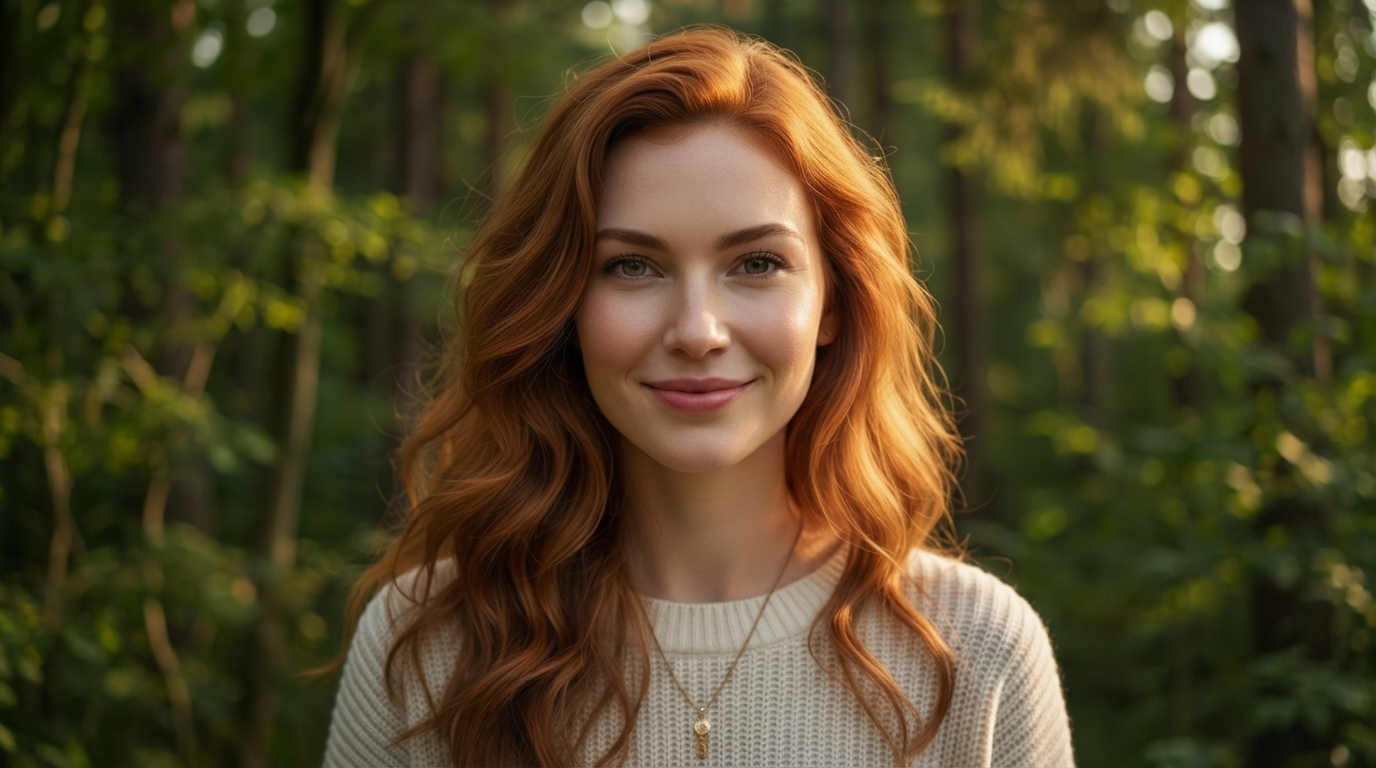
Nano Banana Pro is one of the models that allow designers to truly feel the highest level of control in image-to-image transformation. Its exceptional ability to take a photograph and generate a version that looks more “accurate,” more “polished,” and more “professionally shot” has made it a go-to choice, especially for product visuals and advertising campaigns.
The model’s most defining characteristic is its ability to reconstruct the original object without distorting it. While making metal surfaces deeper, glass cleaner, and fabric more fiber-rich, it even renders water droplets with high physical realism. Operating almost as if it is re-rendering the product in a miniature studio environment, Nano Banana Pro masterfully balances light–material interactions. Moreover, the model shows the same level of sensitivity when working with human faces refreshing the image without altering micro-expressions, skin texture, or facial structure.
For this reason, Nano Banana Pro stands out as one of the most successful representations of the “transform without altering” philosophy in both product photography enhancement and portrait refinement.
Flux 2 Edit
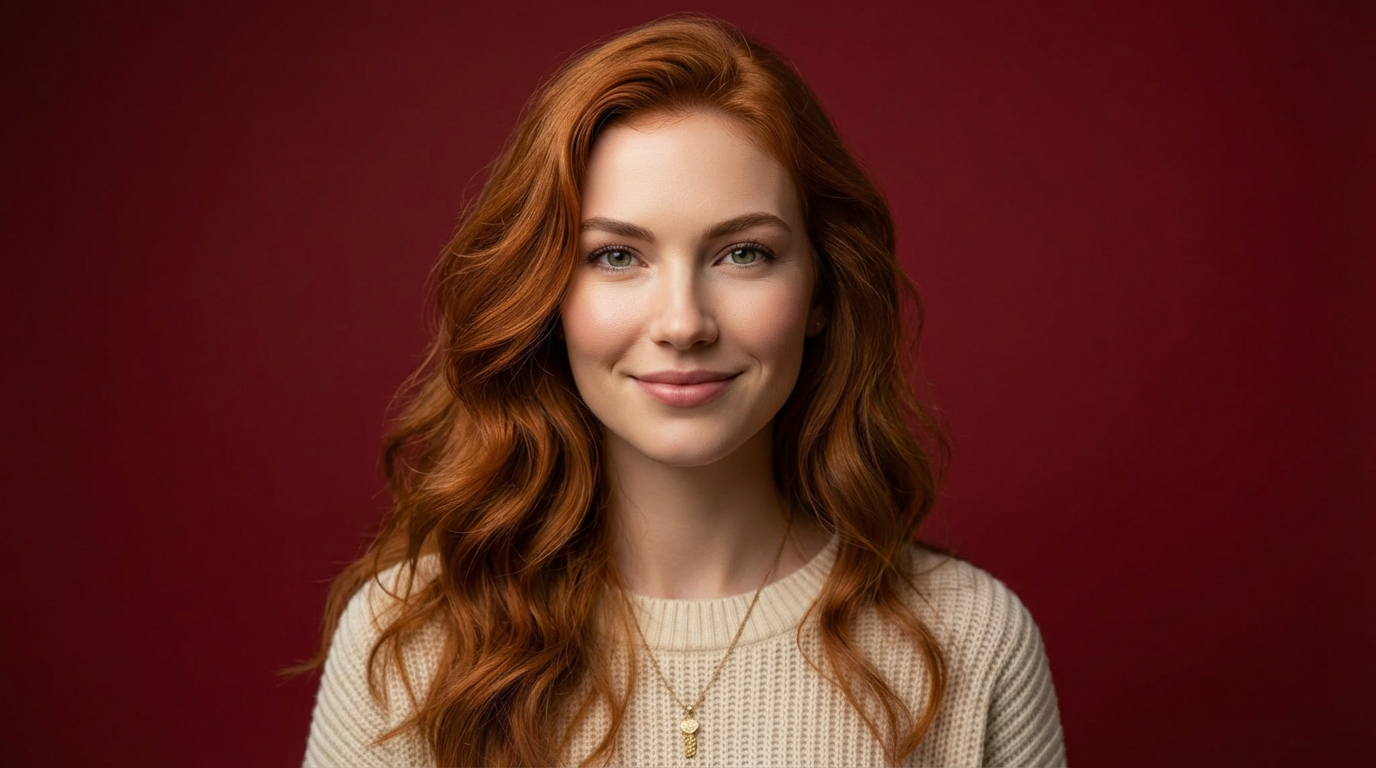
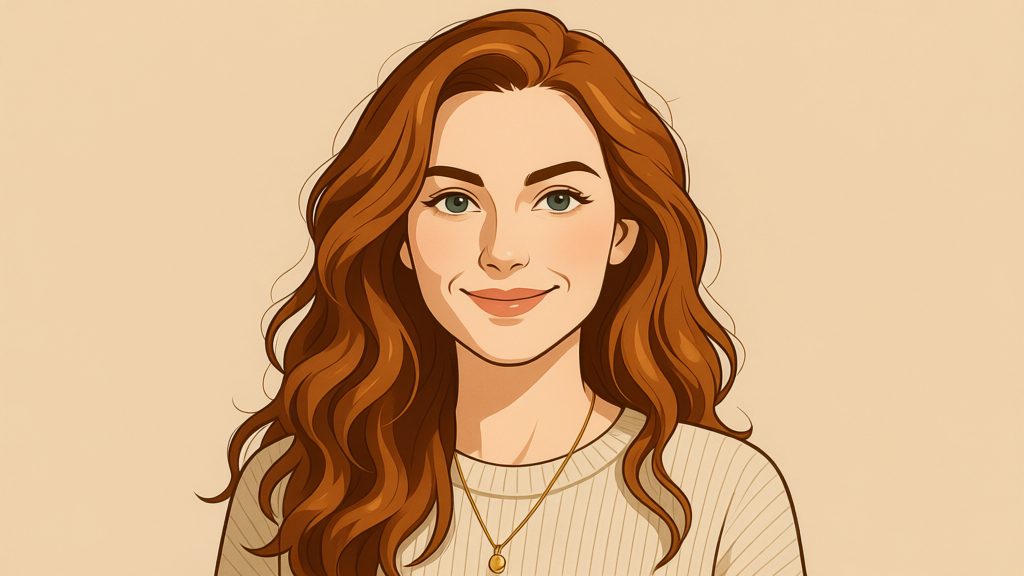
Flux is perhaps one of the boldest image-to-image models when it comes to transformation. When you give it a photograph, the goal is not to say “make this look a bit nicer,” but rather “take this into an entirely new world.” Flux changes the lighting, redesigns color fields, and can turn a portrait into something that feels like a digital illustration or a fully stylized poster.
What designers love is Flux’s ability to respect the fundamental structure of the photo while reshaping its atmosphere and emotional tone. Keeping a character in the same pose but transporting them into a cyberpunk universe, or turning a location into a retro comic-book aesthetic, is only a prompt away with this model.
Seedream V4 Edit
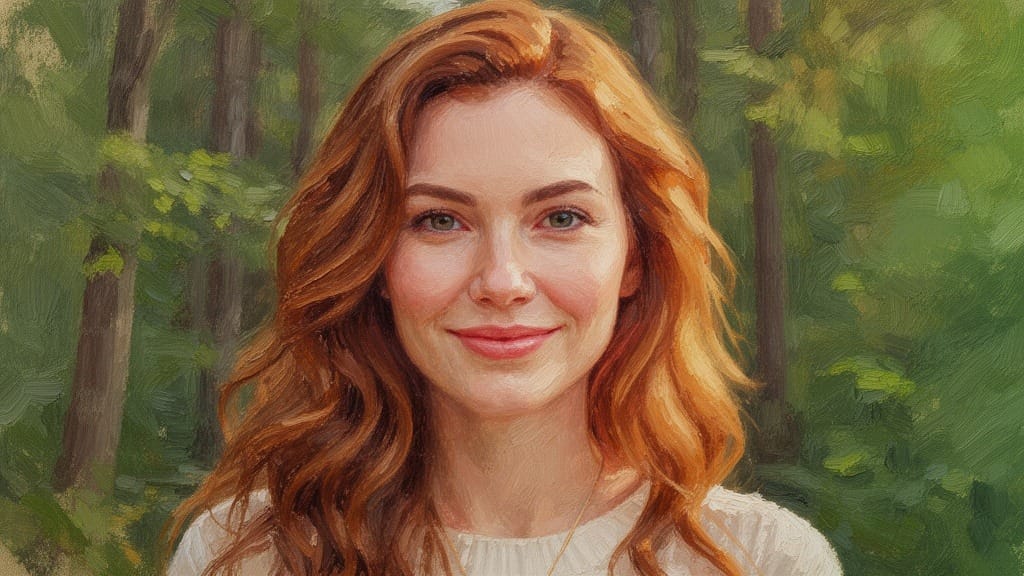
Seedream can be considered one of the best models for producing atmosphere in image-to-image transformations. The way it makes a scene foggier, more cinematic, and more dramatic feels almost magical. It reinterprets the light sources in the photograph and reconstructs the shadows as if it were a visual storyteller.
Designers prefer Seedream especially when creating moodboards, when they want to evoke a film-scene feeling, or when they aim to turn an ordinary photo into “a more emotional moment.” Seedream doesn’t simply change a photograph; it expands its soul.

Reve Edit
Reve is one of the most refined aesthetic enhancement engines among image-to-image models. Instead of reshaping a photograph, it makes it smoother, brighter, and more engaging. It cleans skin without losing natural texture, redistributes light with soft gradients, and adds a subtle halo that makes fashion or product scenes feel more polished and premium.
Its strength goes beyond simple beautification; cinematic contrast, natural realism, and controlled color transitions give each image a professional yet emotional tone.
Reve is widely used for fashion editorials, lookbooks, lifestyle campaigns, and premium product presentations elevating visuals without disrupting their natural flow.
Wan 2.5 Preview
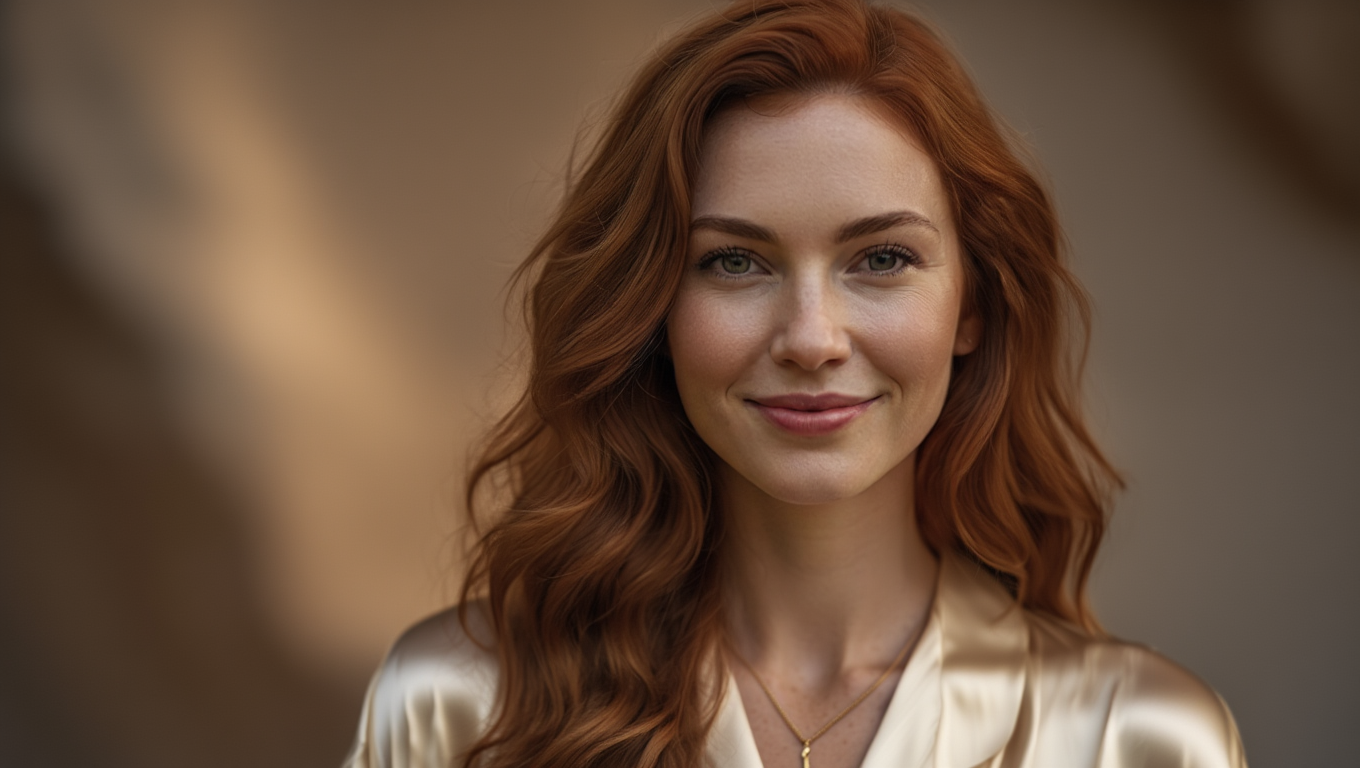
Wan 2.5 Preview is an advanced image-to-image model that enhances visual detail while preserving the structural integrity of the original image. Instead of completely transforming the input photo, it elevates it turning it into a higher-resolution, more textured, and more realistic version. It carefully reconstructs elements such as fabric fibers, micro-scratches on metal surfaces, natural irregularities in leather textures, and subtle shape distortions on objects, pushing the entire scene toward a hyper-realistic quality.
With this approach, it is especially favored by designers working in game asset creation, fashion and textile design, character development, product design, and industrial prototyping. The model enriches the visual without disrupting the original composition, making it clearer, more detailed, and closer to physical reality. For professionals seeking high-quality reconstruction of an input image, Wan 2.5 Preview stands out as a powerful and reliable tool.
Qwen Image Edit
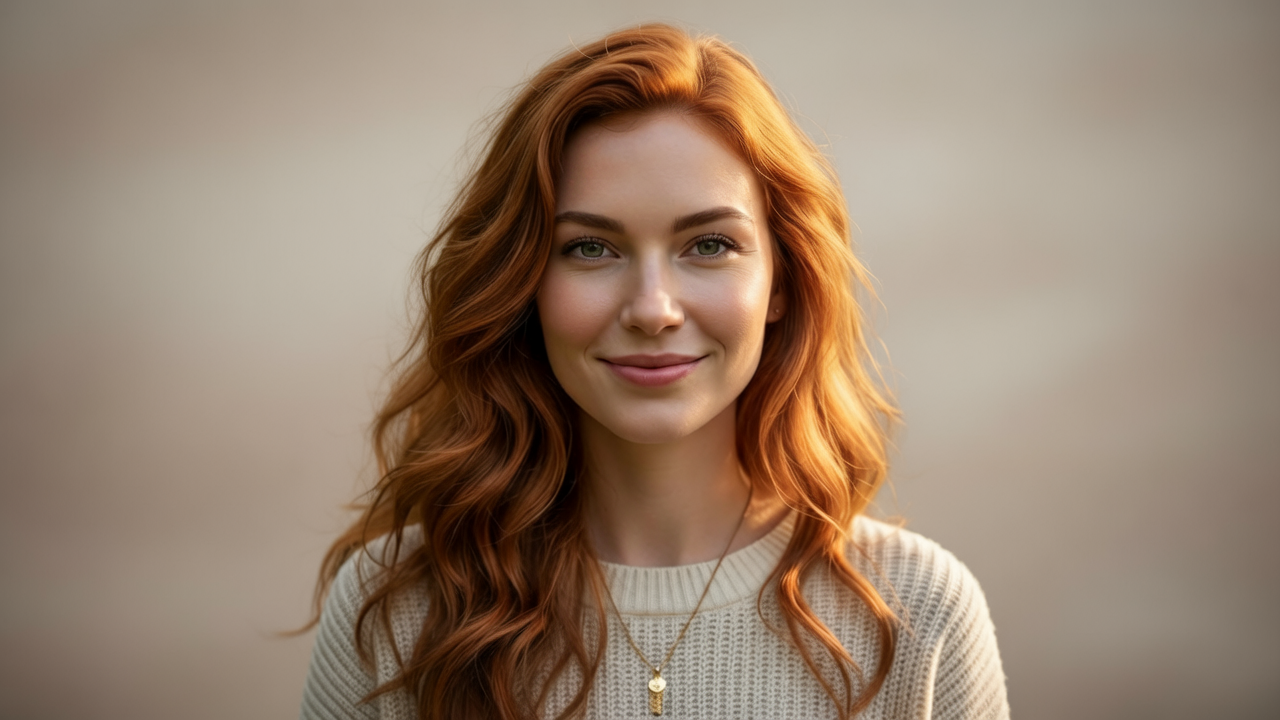
Qwen Image Editing stands out among image-to-image models with its intuitive control capabilities. Rather than simply regenerating an image, it acts like an “intelligent retouch assistant,” applying instructions with pinpoint accuracy. Commands such as “replace this object,” “simplify the background,” “make the lighting more natural,” or “change the color of the clothing” are executed without disrupting the composition or overall scene coherence.
For this reason, designers often choose Qwen for quick revisions, small yet impactful enhancements, product photo adjustments, color harmony corrections, and campaign visuals that require realistic edits. Because the model optimizes images intelligently without adding unnecessary stylistic changes, the results remain both natural and aesthetically aligned with the design intent.
Bonus Tools: High-Utility Assets for Designers
Image Upscaler
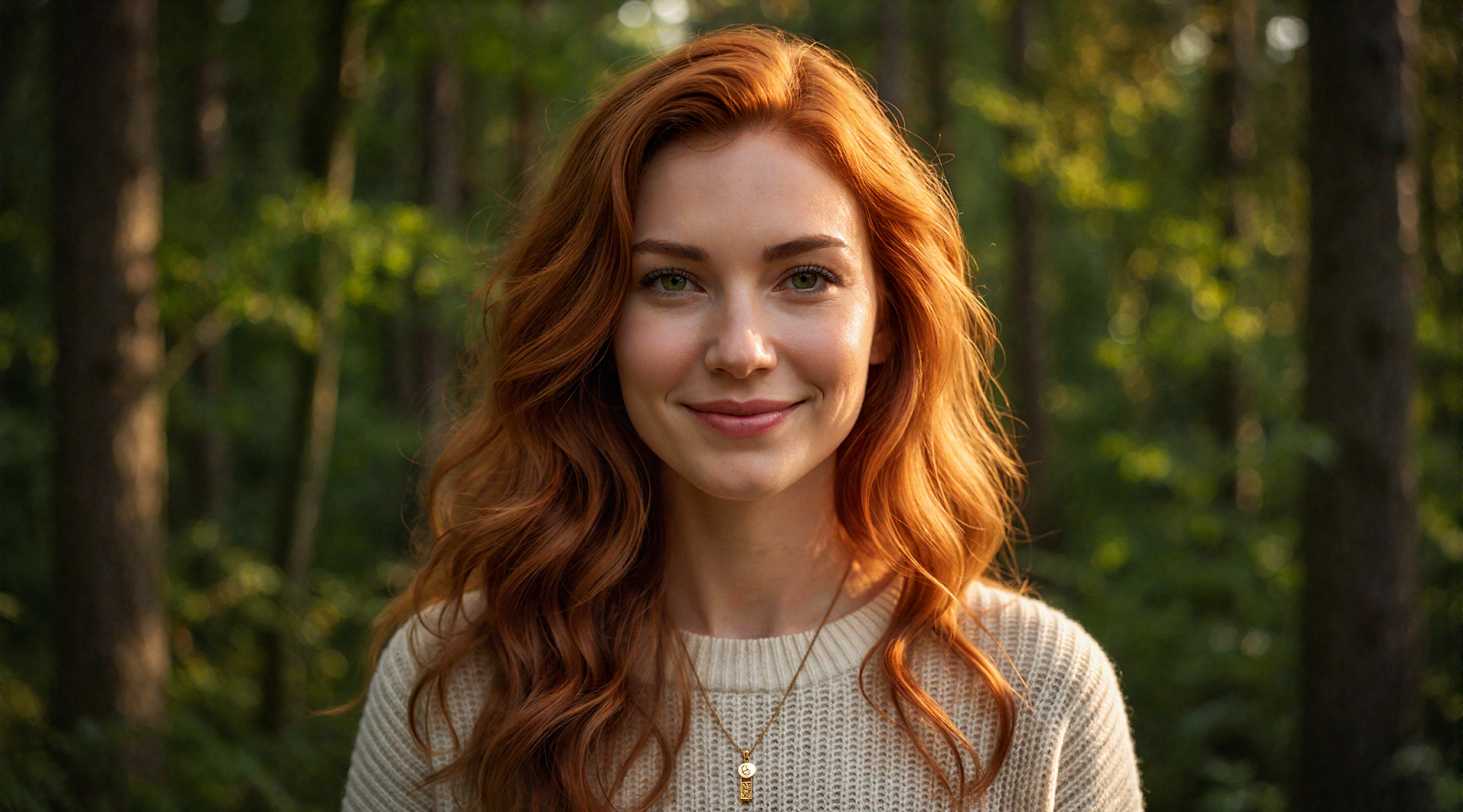
Including low-resolution, old, or blurry images in a design workflow can sometimes be challenging. Modern AI upscaler tools enlarge and sharpen such visuals without causing texture degradation, adding realistic details that make them suitable for professional use. They are especially popular in product photography, e-commerce visuals, and social media content.
👉 Try Flux Vision Upscaler now
Background Remover
Background removal tools are among the most essential support systems for designers during composition work. Quickly isolating an object, product, or person from its background and turning it into a clean PNG saves valuable time in posters, landing pages, catalogs, and advertising campaigns.
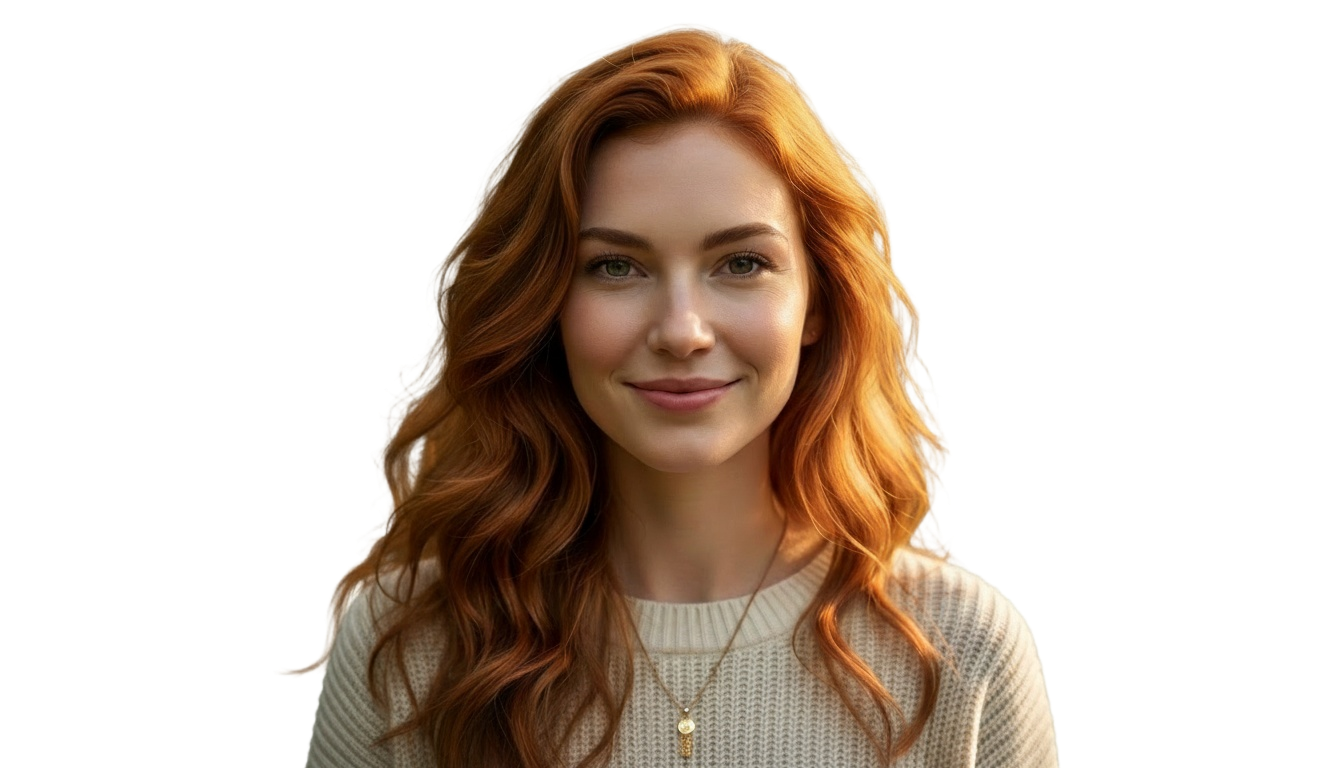
👉 Try Eachlabs Background Remover v1 now
Final Thoughts: Where Image-to-Image Models Truly Shine
The image-to-image systems shaping 2025 are no longer simple enhancement tools; they have evolved into intelligent creative engines capable of interpreting, correcting, and transforming visuals with remarkable precision. A single photograph cleaned, expanded, or entirely re imagined yet still retain the essence of the original frame. For designers, this means less time spent in manual retouching and more time exploring artistic direction, visual storytelling, and refined aesthetics.
Today’s leading models cover an immense creative spectrum: cinematic relighting, editorial grade refinement, micro-texture reconstruction, structural edits guided by natural language, and even context-aware background transformations. Each model has its own visual logic some elevate realism, others polish aesthetics, while certain systems bring a near-photographic clarity to even the simplest input.
The question is no longer “How do I fix this image?” but “What version of this image best serves my story?” When the right enhancement model, the right instruction, and the right visual intention come together, an ordinary source image becomes a polished, expressive, and design-ready asset. For modern creators, image-to-image technology is no longer a post-processing shortcut it is a powerful collaborator that expands creative possibility and accelerates the journey from idea to final visual.