Nano Banana 2: The Next Evolution of AI Image Generation
Google just announced a model called Nano Banana 2. This new model is creating a lot of excitement in the AI community. People are wondering what is the different about Nano Banana 2. Nano Banana Pro was a deal because it could make high quality images and do it fast. Creators did not have to choose between speed and quality. Now Google is taking this idea further with Nano Banana 2. This new model is about understanding what you want it to do making things faster and working better for real p
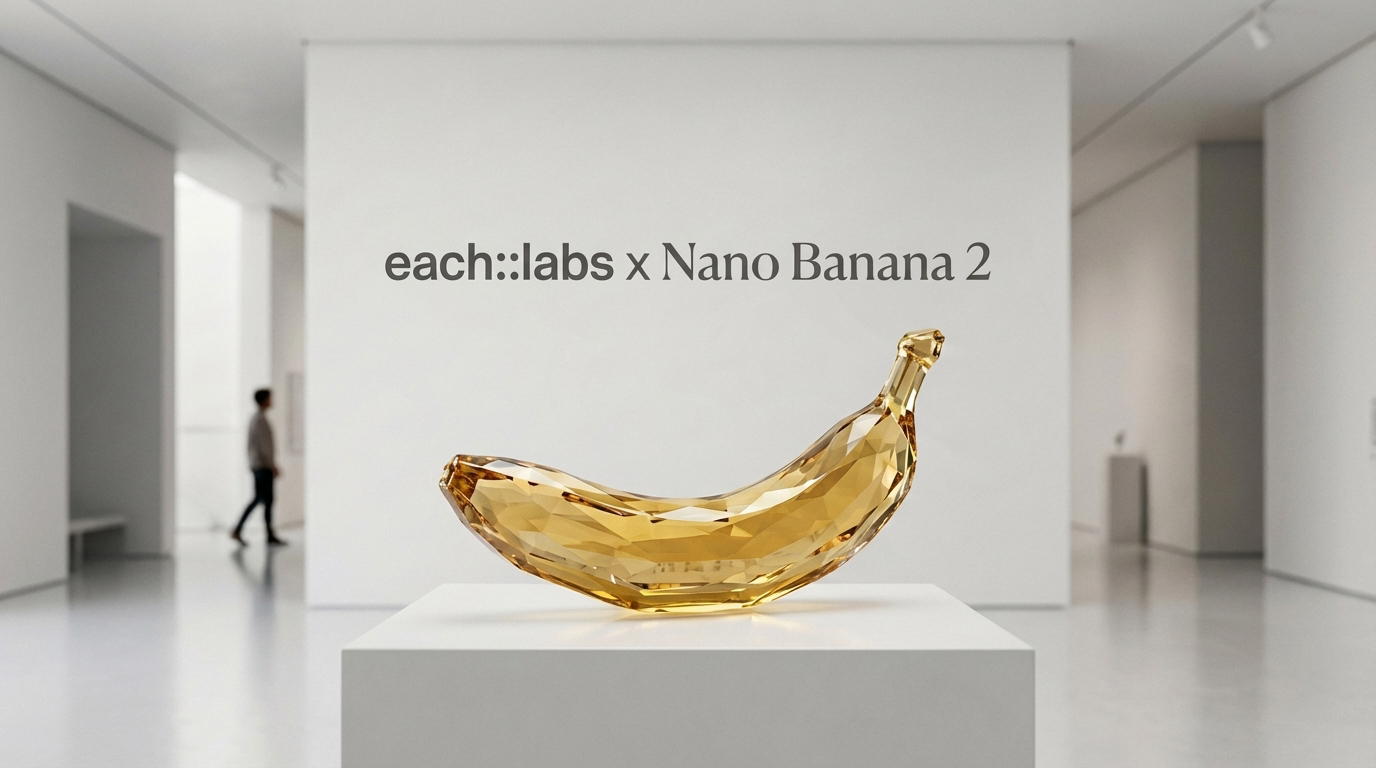
Google just announced a model called Nano Banana 2. This new model is creating a lot of excitement in the AI community. People are wondering what is the different about Nano Banana 2.
Nano Banana Pro was a deal because it could make high quality images and do it fast. Creators did not have to choose between speed and quality.
Now Google is taking this idea further with Nano Banana 2. This new model is about understanding what you want it to do making things faster and working better for real projects.
Before we look at the features of Nano Banana 2 lets talk about AI models in general. Every AI model is trained to do specific things. No model is perfect at everything. That is why you cannot just try out a model with any prompt and expect it to work well.
If you read the documentation for a model you will see that it is designed to work well in certain areas. These are not random suggestions. They are based on how the model was made and what it was trained to do.
The best way to see what a model like Nano Banana 2 can do is to use it the way it was meant to be used. Do not just throw prompts at it. Instead try it out in the areas where it is supposed to shine.
That is how you will see what it can do what it cannot. What makes it special.
So lets take a look at Nano Banana 2. What is new what is. Where does it really stand out?
Nano Banana 2: What Changed and What’s New?
At first Nano Banana 2 might seem like an update to the Nano Banana line. If you look closer you will see some big improvements.
The biggest difference is that it can balance speed, efficiency and quality.
Nano Banana 2 is not meant to replace Nano Banana Pro. Instead it is an engine for making things designed for teams that need to work quickly.
Nano Banana 2 uses something called Gemini 3.1 Flash Architecture. This means it can make images fast while still looking good.
For teams that need to work this can make a big difference. They can make images quickly. Still have them look impressive.
Nano Banana 2 also has an option for making images at 512px resolution.
Before Nano Banana models could only make images at resolutions like 1K, 2K and 4K. Now creators can make quick drafts at a lower resolution before making higher quality images.
This might seem like a change but it can make a big difference for teams that need to make a lot of images. They can try out ideas quickly before making the version.
Nano Banana 2 is also better at understanding what you want it to do.
Before complex prompts could produce results.. Now the model is better at handling complicated instructions.
It can make images with subjects, scenes or styles and they will turn out more accurately.
This makes it more reliable, for creators who need to make images.
Why Nano Banana 2 Focuses on High Throughput Creation
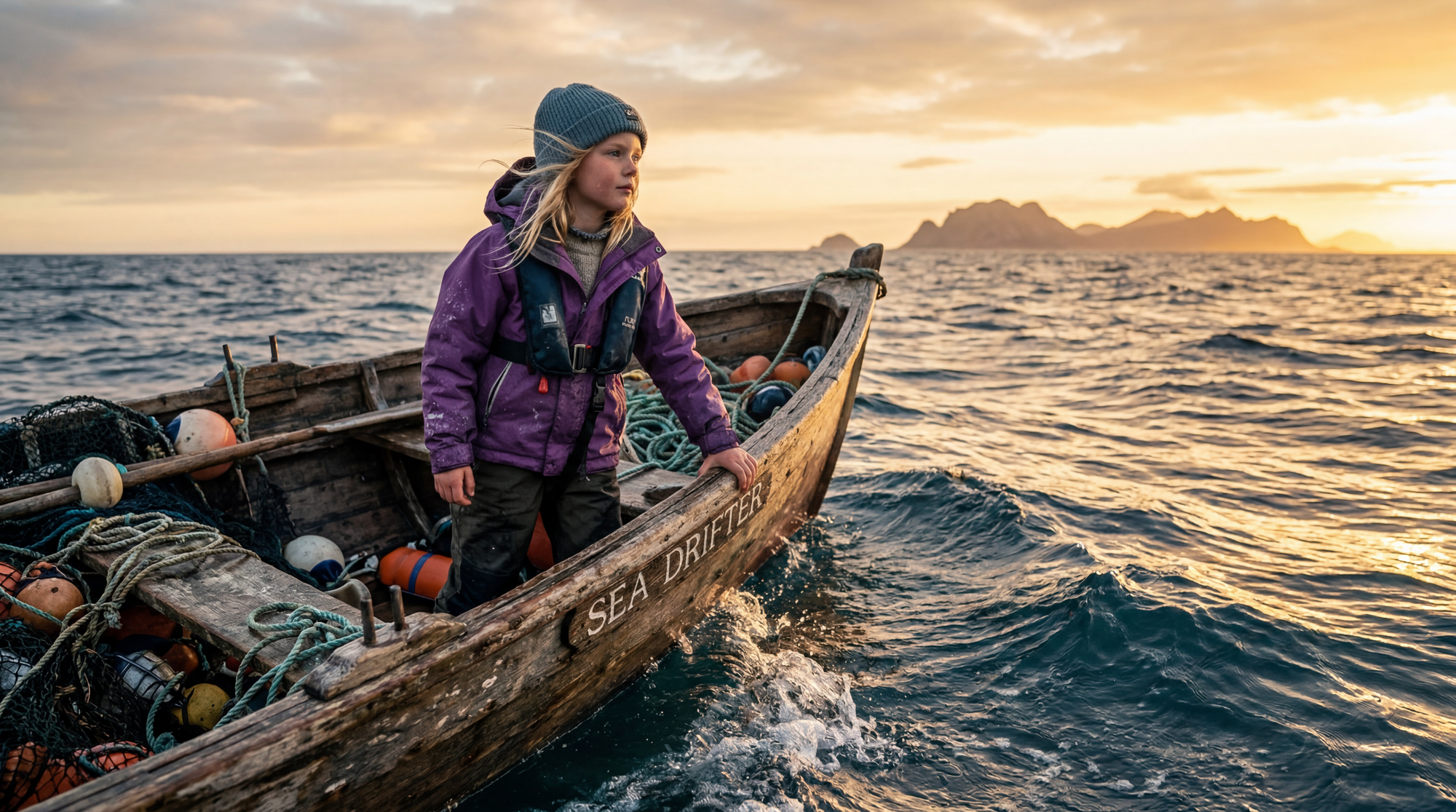
When you think about Nano Banana 2 you will see that it is about making a lot of things quickly. The people who made Nano Banana 2 did not want it to just make one picture at a time. They wanted it to be fast and make pictures.
Nano Banana 2 is good, for people who need to make a lot of pictures. For example designers and marketers need pictures for their work. They can use Nano Banana 2 to make pictures and then pick the best ones.
There are times when Nano Banana 2 is really helpful. If someone is trying out styles or making ideas for a project Nano Banana 2 can help. It can also help people make pictures for big projects.
Nano Banana 2 is a good choice because it helps people be creative and try things. It also helps them work faster. By making pictures quickly Nano Banana 2 supports people who use it. Now let’s take a look at its use cases.
Bulk Content Generation
Today many teams of artists and designers make hundreds or even thousands of pictures for advertising, online stores, mobile apps and social media campaigns. Pictures are a part of modern products now so creative teams are always making new pictures to keep up with marketing schedules, seasonal campaigns and product updates.
In the way of doing things making this many pictures would take a long time. Designers had to make versions of the same idea by hand change details one by one and do it all again when they got feedback. This made the whole process slower.
Nano Banana 2 helps artists go through this process faster. Because the model can make pictures quickly teams can make a lot of pictures without stopping their work. Of waiting a long time for pictures to be ready creators can go from idea to picture very quickly.
This speed changes how creative teams work. Artists can try out ideas for pictures more easily. For example they might make versions of a product picture with different lighting, backgrounds or colors. Of picking one idea too soon they can look at many versions side by side and choose the one that works best.
Because Nano Banana 2 is so fast it is easier to try out ideas play with how things look and make visual ideas better step, by step. Teams can quickly make drafts look at them change what they are trying to do and make the results better in a few tries.
This kind of fast trying out of ideas helps creative teams get results in less time. By the time they finish their pictures they have already tried versions and made the visual idea better which makes the final pictures stronger and more polished. Nano Banana 2 really helps with Bulk Content Generation. Teams can make a lot of pictures. It helps with Bulk Content Generation.
Advertising Variations
Modern advertising uses images. Most campaigns have visual versions of the same idea. A brand might use one idea but adapt it for different formats, colors, backgrounds or characters depending on the platform and audience.
- For example a single campaign might need a product with a bright summer background for social media. It might also need a cinematic version for video ads and a minimal design for mobile app banners.
- Traditionally creating these variations took a lot of time. Designers had to adjust every version. This was a problem when campaigns were on platforms.
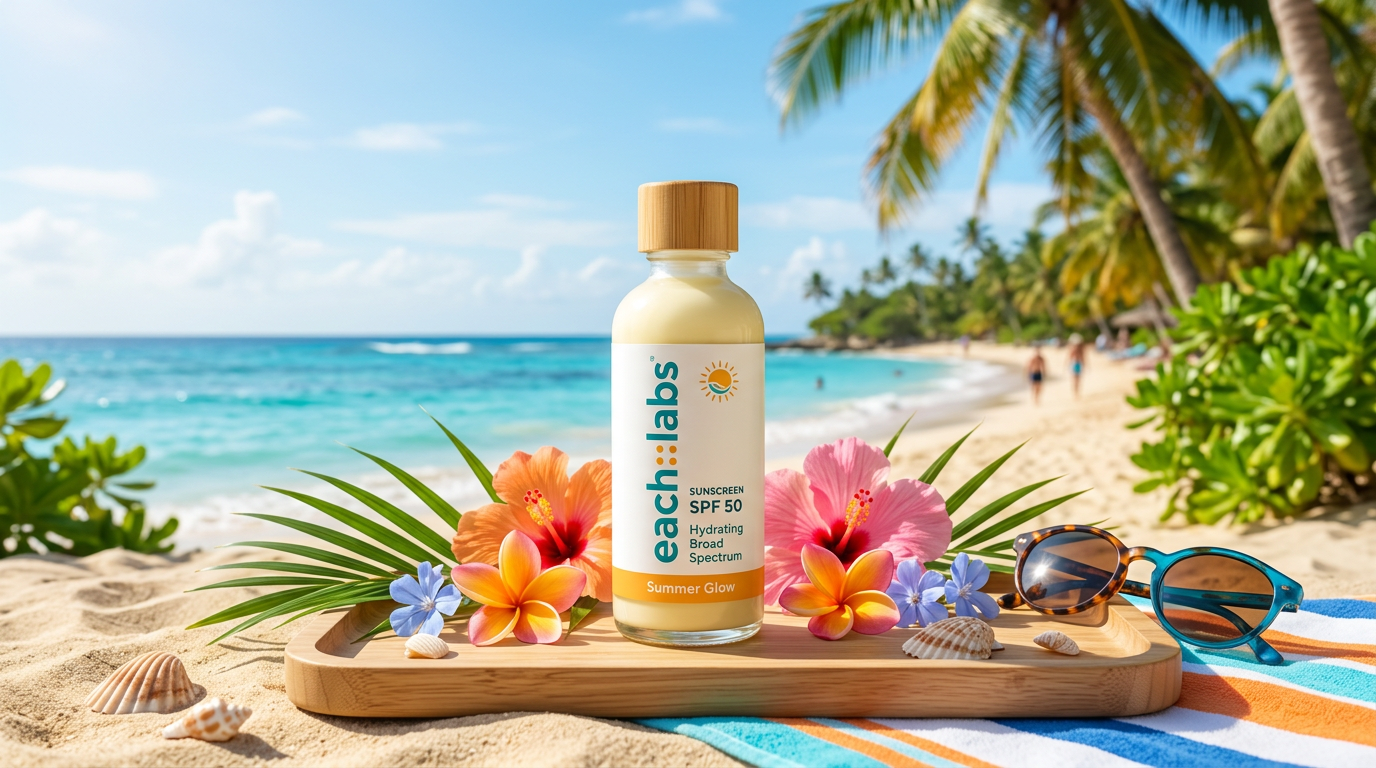
Nano Banana 2 makes this process easier. The model generates images quickly. Artists and designers can make variations of the same idea in minutes. They can adjust prompts to change the environment, lighting, color palette or characters. They keep the core idea.
- This lets creative teams try ideas before choosing a version. It gives marketing teams the flexibility to test visual styles. They can do this without slowing down production.
Social-First Campaigns
Social media moves fast. A visual trend appears dominates feeds and disappears quickly. For artists and content teams speed is important. They need tools to respond quickly to trends experiment with ideas and publish visuals.
- Creators need to keep up with trends. They need to produce visuals while the topic's still relevant.
Nano Banana 2 helps creators. It generates images quickly. Artists can try visual concepts in a short time. If a trend emerges creators can make versions of related visuals. They can test how audiences respond.
- This ability to move quickly helps creative teams stay relevant. Timing is important in first environments.

Rapid Creative Testing
Experimentation is part of the process. Designers rarely get the concept immediately. They explore directions before choosing the best one.
- In workflows testing different visual approaches took a long time. Each new variation needed editing, redesigning or rebuilding elements.
Nano Banana 2 changes this. Images can be generated quickly. Designers can test creative directions without slowing down. They can explore compositions, lighting styles, artistic directions or visual moods.
- This kind of experimentation helps teams refine their ideas. By the time a final image is chosen it has gone through rounds of creative exploration.
Asset Generation for Video Pipelines
Video production uses assets created before filming or rendering. These assets help teams plan scenes visualize storytelling elements and build a direction.
- Nano Banana 2 can support this process. It generates assets like storyboards, concept backgrounds, environment references and scene compositions.
These images help directors, designers and creative teams visualize scenes. They can align on the direction early.
- This approach accelerates video production pipelines. It makes it easier to plan projects before filming or rendering.
Intelligence and Visual Understanding
Nano Banana 2 improves how the model understands what it is generating. It uses understanding to interpret the subject of a prompt.
- This allows it to generate visuals that reflect real-world concepts and structures.
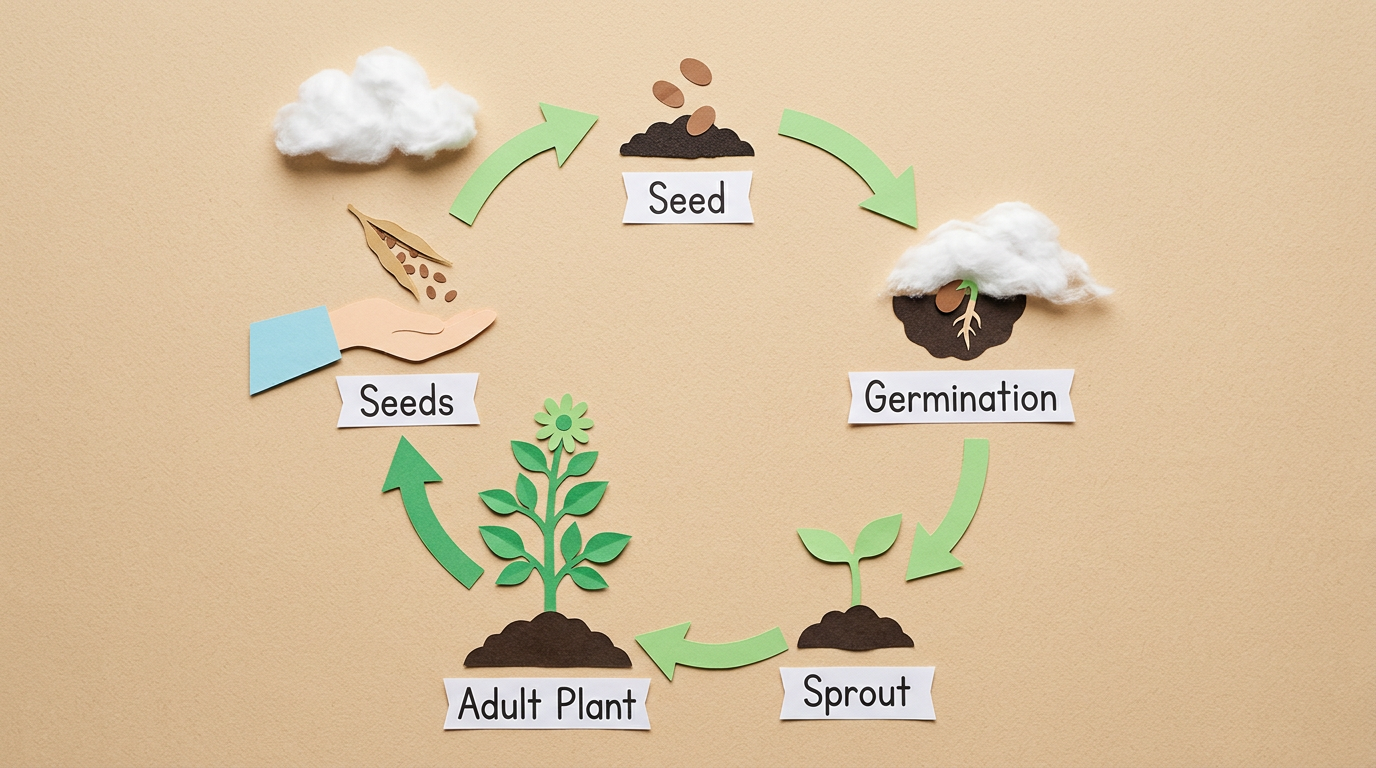
This capability is useful for visual content like infographics, diagrams or conceptual illustrations.
- Creators can describe what they want to see. Nano Banana 2 can transform those instructions into a format.
This reduces the time needed to produce visuals. Artists can guide the direction.
Clear and Readable Text in Images
Nano Banana 2 improves text rendering inside images. Earlier models struggled with typography. Letters appeared distorted, incomplete or difficult to read.
- Nano Banana 2 generates text elements that appear clearer and more readable.
This makes the model useful for visuals with written elements like greeting cards marketing posters or product packaging mockups.
- The model can. Localize text within an image. This is helpful for creators who need to produce visuals for languages or global audiences.
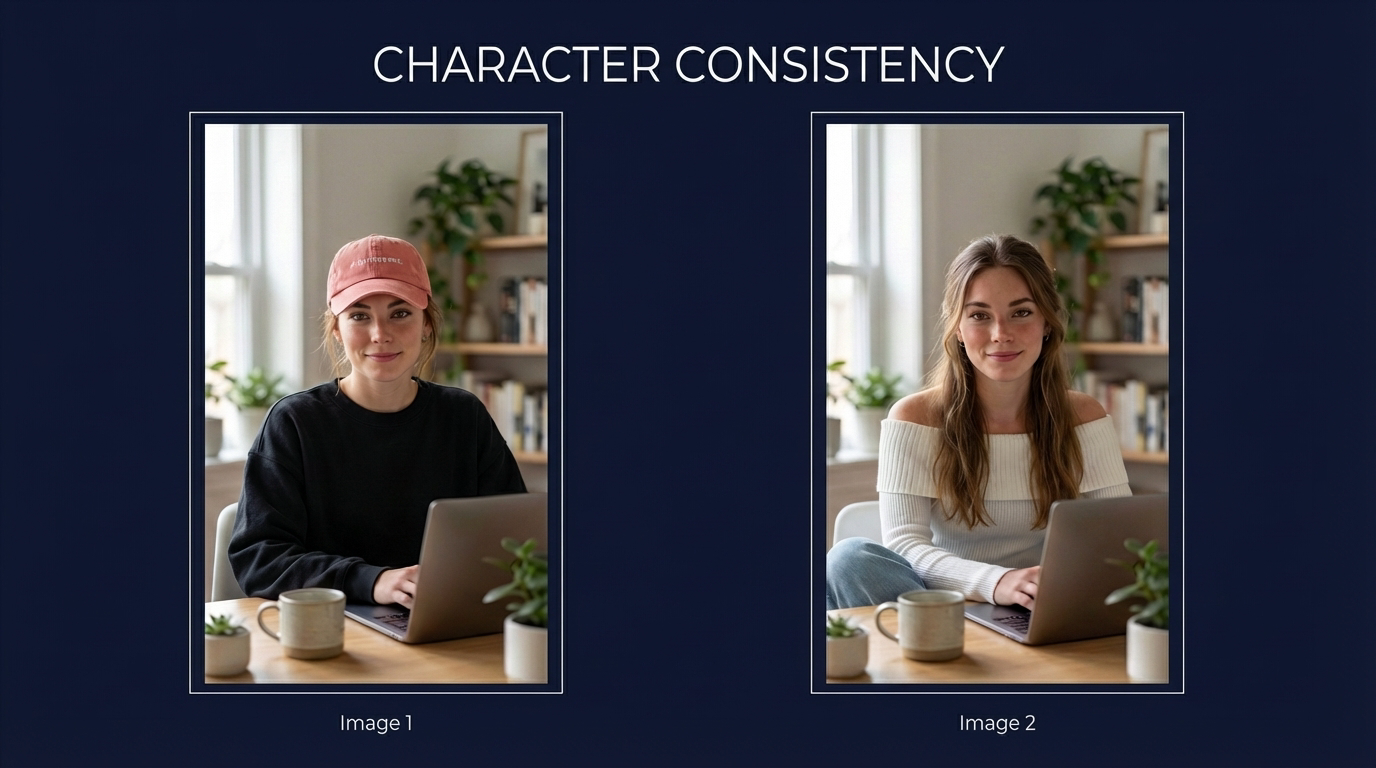
Character and Object Consistency
Nano Banana 2 gives artists control over image consistency. It can maintain consistency across multiple characters or objects.
- When creating a sequence of images the model preserves visual details like clothing, facial features and overall appearance.
This is valuable for storytelling and narrative-based projects.
- Imagine creating a story with the same characters across multiple scenes. Consistent character design helps viewers recognize and follow the story.
Nano Banana 2 preserves that consistency. Characters remain visually recognizable from one image to the next.
Strong Instruction Following
Nano Banana 2 follows instructions precisely. When prompts contain details or layered instructions the model interprets those requests accurately.
- Artists receive results that closely match the description. They spend time adjusting prompts.
The image generated reflects their intention on the few attempts.
- This saves time. Makes the creative workflow smoother.
Flexible Image Sizes and Formats
Nano Banana 2 supports a range of image sizes and formats. It is flexible for types of visual production.
- Creators can generate images for media posts, cinematic backgrounds, presentation slides or promotional graphics.
The model produces visuals, in resolutions and aspect ratios.
- The images have improved quality. Lighting appears natural textures are richer and small details appear sharper.
These improvements allow Nano Banana 2 to produce professional visuals. It maintains the fast generation speed that models are known for.
When To Use Nano Banana 2?
Nano Banana 2 works best when you need things fast and on a scale but don't need super detailed images.
It is great, for:
* visual testing
* making lots of images
* creating many different versions of content
* social media pictures
* making storyboards and initial ideas
This is because Nano Banana 2 is built using Flash model so it focuses on being quick and efficient.
If you need detailed art or complex movie scenes you might still want to use Nano Banana Pro model.
Try Nano Banana 2 on Eachlabs
If you want to experiment with the full Nano Banana model family, you can try them through Eachlabs.
Inside the generate section you can run all three Nano Banana text-to-image models using the same prompt and compare the results side by side. This allows creators to evaluate generation speed, prompt interpretation, and visual differences across models.
You can try Nano Banana 2 directly through Eachlabs and see how it performs in your own creative workflows.
What Might Come Next?
Nano Banana 2 is a powerful tool. It gives us results that look amazing and it works well with the way people actually make things.
It still does things the way the Flash model does which means it is really good at being fast and not using too much resources rather than making the most complicated pictures.
So a lot of people who make things think that maybe one day we will have a Nano Banana 2 Pro.
If that happens it will probably be fast like the Nano Banana 2. Also make pictures that are really detailed like Nano Banana Pro model does.
That would be a deal and would change the way we make pictures with artificial intelligence.
For now the Nano Banana 2 already shows us how fast artificial intelligence tools for making things are getting better.
Wrapping Up
Nano Banana 2 is an improvement over the old Nano Banana models.
It understands what we tell it to do makes pictures faster and the pictures look more real all while still being able to handle big jobs.
It does not just focus on making the detailed pictures but instead makes a lot of pictures quickly which is great for things like ads, social media trying out new ideas and making a lot of pictures at the same time.
Nano Banana 2 is also better at writing text on pictures keeping the subject of the picture consistent and can make pictures in formats, which makes it a great tool for people who make things and need to work fast without sacrificing quality.
As intelligence tools for making things keep getting better models, like Nano Banana 2 show us how making pictures is becoming faster and more flexible.
Frequently Asked Questions
What is Nano Banana 2?
Nano Banana 2 is a model that makes pictures with a computer. It uses Gemini 3.1 Flash to make pictures and understand what you want.
What resolutions does Nano Banana 2 support?
Nano Banana 2 can make pictures in sizes like 512px 1K, 2K and 4K. This means people who make things can use the model for many different projects.
When should you use Nano Banana 2 of Pro models?
You should use Nano Banana 2 when you need to make pictures fast and need to make a lot of them. Nano Banana 2 is good, for trying out ideas. You should use Nano Banana Pro model when you need a picture that's extremely detailed.