openai/gpt-image
Create and edit images conversationally with GPT Image. OpenAI's integrated tool for precise visual generation via natural language.Models
Readme
gpt-image by OpenAI — AI Model Family
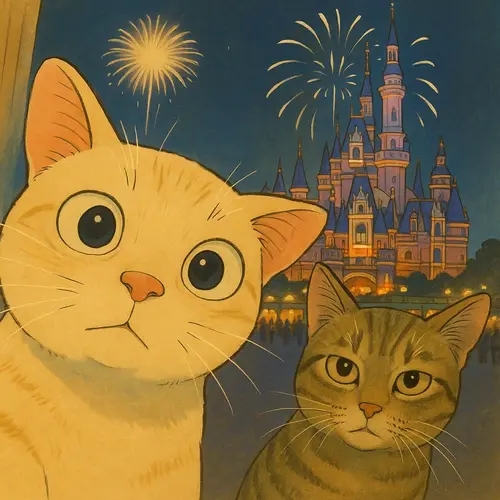
The gpt-image family from OpenAI represents a specialized suite of AI models designed for conversational image creation and editing, enabling precise visual generation through natural language prompts. This family solves the challenge of bridging text-based instructions with high-fidelity visuals, allowing users to generate, modify, and refine images seamlessly within chat interfaces or APIs. It includes four key models across Text to Image and Image to Image categories: GPT Image v1.5 Edit (Image to Image), GPT Image v1.5 Text to Image (Text to Image), GPT-1 Image Generation (Text to Image), and GPT-1 Image Edit (Image to Image). Built on OpenAI's multimodal architecture, gpt-image leverages integrated text and image processing for superior control and output quality.
Official references confirm GPT-image-1.5 as a precise image generation and editing tool, emphasizing high-fidelity outputs and native multimodal capabilities that process text and images in the same neural network. This family stands out for its evolution from earlier tools like DALL-E, focusing on technical accuracy in labels, annotations, and text rendering.
gpt-image Capabilities and Use Cases
The gpt-image family excels in two primary categories: Text to Image for creating visuals from descriptions and Image to Image for editing existing visuals.
-
GPT Image v1.5 Text to Image transforms natural language into detailed images, ideal for concept visualization, marketing assets, or educational diagrams. Use case: Designers prototyping product mockups. Sample prompt: "Generate a high-resolution logo for a tech startup featuring a glowing neural network in blue tones with the text 'each::labs' in modern sans-serif font."
-
GPT Image v1.5 Edit (Image to Image) refines uploaded images based on textual instructions, supporting modifications like style changes or object additions. Use case: Photographers enhancing portraits. Sample prompt (with image upload): "Edit this portrait to add a cinematic sunset background, soften skin tones, and include subtle freckles while maintaining natural lighting."
-
GPT-1 Image Generation (Text to Image) offers foundational text-to-image capabilities, suitable for rapid ideation in creative workflows.
-
GPT-1 Image Edit (Image to Image) provides basic editing functions, perfect for quick iterations in prototyping.
These models support pipeline workflows, such as generating an initial image with GPT Image v1.5 Text to Image, then refining it via GPT Image v1.5 Edit for iterative improvements. Technical specs include high-fidelity image output, exceptional text rendering for logos and signage, and multimodal inputs for precise handling of annotations and technical diagrams—surpassing traditional diffusion models in accuracy. While exact resolutions are not publicly detailed, the family aligns with OpenAI's standards for high-quality visuals in API integrations, supporting formats optimized for web and print applications.
What Makes gpt-image Stand Out
gpt-image distinguishes itself through its native multimodal design, processing text and images within a unified neural network for unmatched precision in text rendering and technical accuracy. Unlike separate diffusion-based systems, it delivers exceptional results in labels, annotations, and typography—critical for educational content, infographics, and branded visuals where readability is paramount.
Key strengths include high-fidelity outputs with superior consistency across generations, precise control via conversational prompts, and robust handling of complex instructions like spatial relationships or diagram edits. It excels in speed for real-time applications and maintains quality in non-artistic tasks, such as generating charts or annotated diagrams. This makes it ideal for professional designers, content creators, educators, and developers building AI-driven visual tools. Early perceptions highlight its edge in technical scenarios over artistic-focused models, positioning gpt-image as a go-to for reliable, instruction-following image AI.
SEO-relevant keywords like "OpenAI gpt-image", "GPT Image 1.5 text to image", "AI image editing API", "conversational image generation", and "high-fidelity AI visuals" underscore its demand in searches for advanced, precise visual AI solutions.
Access gpt-image Models via each::labs API
each::labs is the premier platform for accessing the full gpt-image family through a unified API, streamlining integration for developers and creators. All four models—GPT Image v1.5 Edit, GPT Image v1.5 Text to Image, GPT-1 Image Generation, and GPT-1 Image Edit—are available in one endpoint, enabling seamless Text to Image, Image to Image, and hybrid pipelines.
Experiment effortlessly in the interactive Playground to test prompts and previews, or integrate via the robust SDK for production apps. each::labs ensures scalable access to OpenAI's cutting-edge capabilities without complexity. Sign up to explore the full gpt-image model family on each::labs.