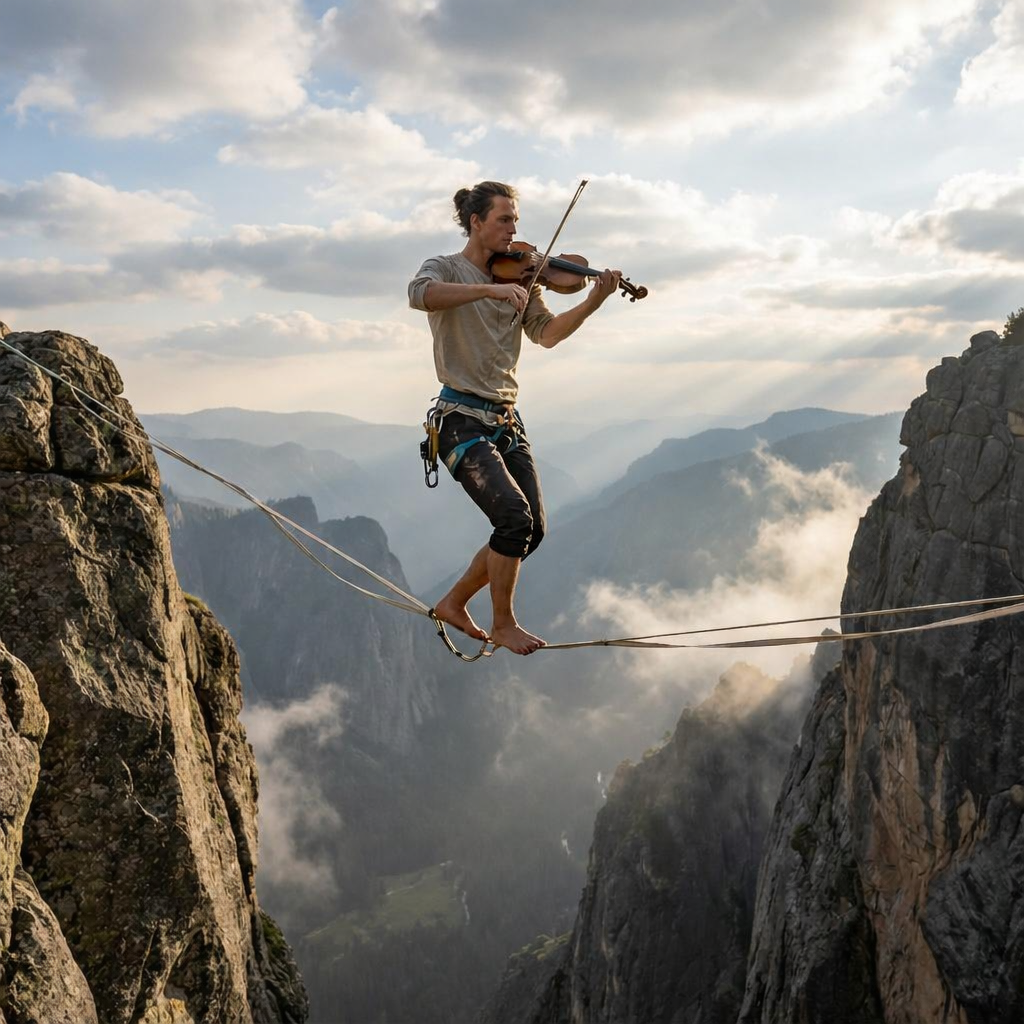
GPT Image | v1.5 | Edit
GPT Image 1.5 creates highly detailed images with accurate prompt interpretation, maintaining consistent composition, realistic lighting, and refined visual detail.
- Runtime (p50)
- 1m
- Estimated price
- Usage-based
Overview
gpt-image-v1.5-edit — Image Editing AI Model
Developed by OpenAI as part of the gpt-image family, gpt-image-v1.5-edit is an advanced image-to-image AI model that enables precise natural-language edits on existing images, such as adding or removing objects, swapping backgrounds, and retouching details while preserving lighting, composition, and identity. This model stands out for its superior text rendering in dense or small formats, making it ideal for creating professional posters, infographics, and UI mockups directly from edited images. Developers and creators seeking an AI image editor API or OpenAI image-to-image capabilities will find gpt-image-v1.5-edit delivers reliable, high-fidelity results with fewer prompt revisions needed for accurate positioning and layout.
Capabilities
- Highly detailed image generation with accurate prompt adherence, inferred from multimodal strengths in related models
- Consistent composition and realistic lighting in outputs
- Strong visual reasoning for charts, diagrams, and screenshots
- Refined detail in professional artifacts like presentations
- Versatile handling of text-image integration for editing workflows
Use cases
Use Cases for gpt-image-v1.5-edit
For e-commerce marketers, gpt-image-v1.5-edit transforms product photos by swapping backgrounds or adding lifestyle elements, such as feeding a shoe image with the prompt "place this sneaker on a urban street at dusk with realistic shadows and reflections" to generate catalog variants without studio shoots. This preserves product details and lighting for consistent branding.
Developers building automated AI photo editing for e-commerce pipelines use it to integrate image inputs with text prompts for scalable edits, like retouching faces or completing missing parts in user-uploaded photos, supporting high-throughput SaaS workflows via asynchronous API calls.
Graphic designers create text-heavy visuals, uploading a base layout and prompting changes like "add promotional text in elegant script overlaying the product with matching glow," leveraging its dense text rendering for infographics and posters that competitors often garble.
Content creators perform brand-safe edits on marketing assets, swapping elements while keeping logos intact, ideal for quick iterations in ad campaigns using OpenAI image-to-image precision.
Tips & tricks
How to Use gpt-image-v1.5-edit on Eachlabs
Access gpt-image-v1.5-edit through Eachlabs Playground for instant testing, API for production integration, or SDK for seamless app embedding. Provide an input image URL, descriptive edit prompt, aspect ratio (1:1, 2:3, 3:2), and quality setting to generate high-resolution edited outputs with preserved details and realistic fidelity. Eachlabs delivers fast, cost-efficient access optimized for your workflows.
---Technical spec
What Sets gpt-image-v1.5-edit Apart
gpt-image-v1.5-edit excels in precise editing control, allowing modifications like changing outfits or adjusting lighting on specific image parts while maintaining 100% consistency in the original subject and composition. This enables seamless iterative workflows for designers refining visuals without recreating assets from scratch.
Unlike many image-to-image models, it offers stronger text rendering for small or dense text, producing legible results in posters and branded visuals. Users benefit from professional-grade outputs like infographics or UI designs where text integration is crucial, reducing errors common in competitors.
It supports aspect ratios such as 1:1, 2:3, and 3:2, with quality settings (medium, high) for balancing speed and detail in high-resolution outputs, plus asynchronous processing for high-concurrency image editing API workloads.
- Preserves identity, lighting, and proportions during creative transformations like style transfer or object blending—key for believable photo edits.
- Follows complex instructions reliably, handling nuanced prompts for exact object placement and scene coherence.
Things to be aware of
- Experimental multimodal behaviors show 3x abstract reasoning gains but may vary in casual vs. professional use
- Users report superior consistency in debugging and documentation with images
- Resource needs higher for Pro variants (~40% more expensive per token)
- Positive feedback on hallucination reduction and instruction following
- Benchmarks indicate strong performance up to novel-length contexts (256K tokens)
- Common concern: Less "chatty" than prior versions, better for technical tasks
Key considerations
- Use detailed prompts for multimodal tasks to leverage image understanding strengths seen in similar models
- Account for higher costs in advanced variants, balancing quality against token pricing
- Test long-context image tasks iteratively due to potential coherence drops beyond 128K tokens in related benchmarks
- Prioritize professional workflows where reasoning enhances image outputs
- Avoid vague inputs to minimize hallucinations, a noted improvement area
Limitations
- No public benchmarks or user reviews specific to gpt-image-v1.5-edit, limiting verified performance data
- Potential context degradation in very long image-edit sequences beyond 128K tokens
- Higher costs for advanced image processing compared to text-only tasks
Related models
4 models
About GPT Image | v1.5 | Edit
What is GPT Image v1.5 Edit and how does it differ from earlier OpenAI image models?
GPT Image v1.5 Edit is OpenAI's improved image editing model that applies instruction-based modifications to existing images. Compared to earlier versions, v1.5 delivers enhanced instruction following, more precise masking of edited regions, and better preservation of unmodified image areas, making it well-suited for both creative and commercial editing tasks.