4K Image Generation with AI Models
As AI image generation becomes more advanced, resolution has emerged as one of the most important quality indicators. Today, many AI models are capable of generating 4K images, offering a level of clarity and detail that goes far beyond standard web-sized visuals. However, higher resolution does not automatically mean better results for every use case. Understanding when to generate 4K images, where to use them, and when they are unnecessary is key to building efficient and high-quality creativ

As AI image generation becomes more advanced, resolution has emerged as one of the most important quality indicators. Today, many AI models are capable of generating 4K images, offering a level of clarity and detail that goes far beyond standard web-sized visuals.
However, higher resolution does not automatically mean better results for every use case. Understanding when to generate 4K images, where to use them, and when they are unnecessary is key to building efficient and high-quality creative workflows.
In this guide, we explore how 4K image generation works with AI models, what makes it different from lower-resolution outputs, and how to decide whether 4K is the right choice for your project.
What Does 4K Image Generation Mean in AI?
In AI image generation, 4K typically refers to images with resolutions around 3840×2160 pixels or higher. Compared to standard outputs, 4K images contain significantly more visual information.
This allows for:
- Finer texture detail
- Sharper edges and gradients
- Cleaner zoom and crop flexibility
- More realistic lighting transitions
AI models capable of 4K generation either produce high-resolution images directly or upscale images while preserving visual integrity.
Why Generate 4K Images with AI Models?
The primary advantage of 4K image generation is detail preservation. When images are viewed on large screens, printed, or repurposed across multiple formats, lower resolutions often reveal softness or artifacts.
Key benefits of 4K AI images include:
- Professional-grade clarity
- Better suitability for print and large displays
- Increased flexibility for cropping and reframing
- More realistic textures in faces, materials, and environments
For projects where visual quality directly affects perception, 4K can make a noticeable difference.
Where 4K AI Images Are Commonly Used
Not every project requires 4K resolution. It becomes most valuable in specific contexts where detail and scale matter.
Marketing and Campaign Visuals
High-end campaigns often require visuals that can be used across billboards, landing pages, and digital ads. 4K images provide the flexibility to adapt assets without quality loss.
Print and Editorial Design
Magazines, posters, packaging, and printed materials benefit greatly from higher resolution. AI-generated 4K images ensure sharp output in physical formats.
Product and E-Commerce Imagery
When users zoom into product images, fine details matter. 4K generation helps maintain crisp edges and realistic textures.
Concept Art and Creative Direction
Creative teams often zoom, crop, and annotate visuals. High-resolution images support this exploratory process without degradation.
Large Screens and Installations
Digital signage, presentations, and exhibitions require visuals that hold up on large displays.
How 4K Images Differ from Standard AI Outputs
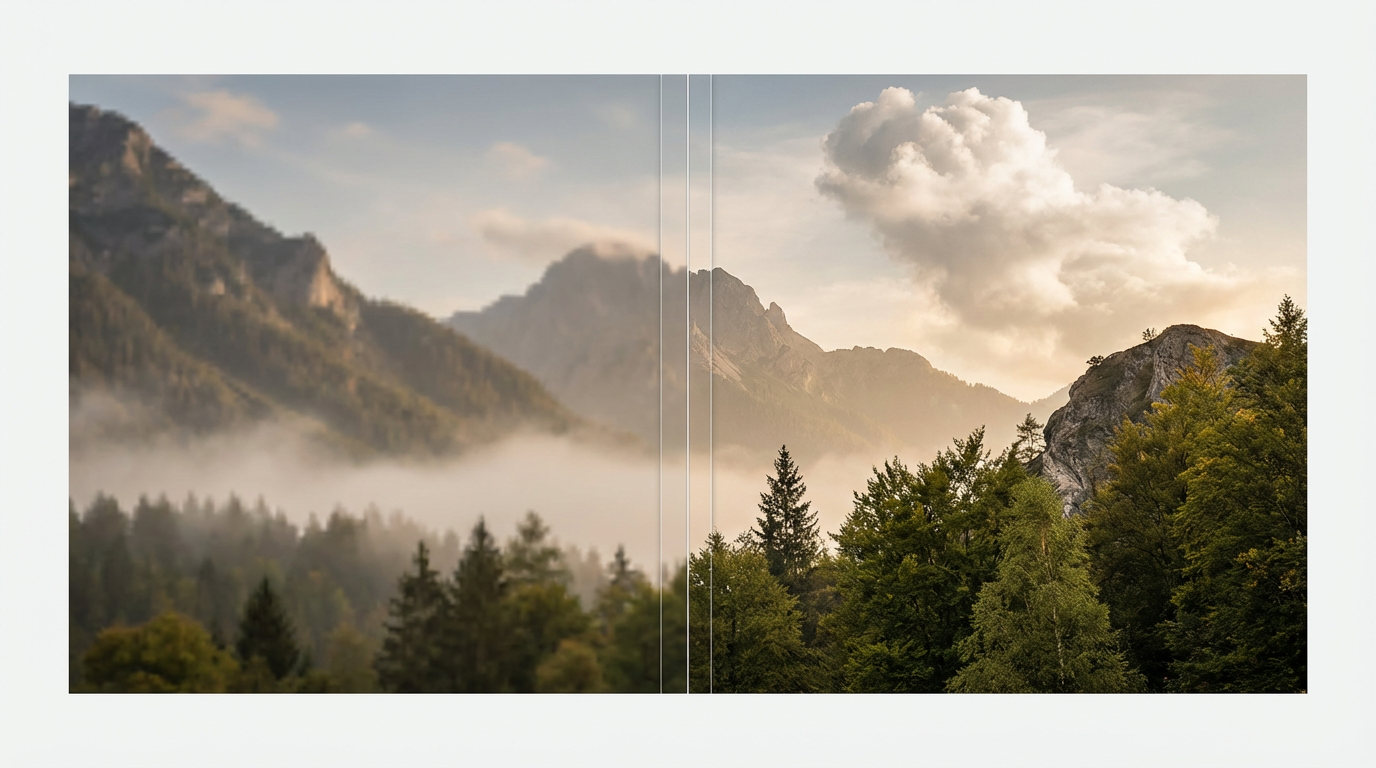
The difference between standard-resolution and 4K AI images is not just size—it’s visual depth and flexibility.
4K images offer:
- Smoother gradients
- Reduced noise and artifacts
- More natural skin and material textures
- Better lighting transitions
Standard-resolution images may look fine at small sizes but often break down when scaled or examined closely.
When You Should Not Use 4K Image Generation
Despite its advantages, 4K is not always necessary—and sometimes inefficient.
4K image generation may not be needed when:
- Images are only used for small social media posts
- Speed and iteration matter more than detail
- Storage or bandwidth is limited
- The visual style is intentionally minimal or abstract
In these cases, standard or mid-resolution outputs can be more practical without sacrificing impact.
Balancing Quality and Efficiency in AI Workflows
The most effective creative workflows use resolution intentionally. Many creators start with lower-resolution generations to explore ideas, composition, and style. Once the direction is finalized, they move to 4K generation for the final assets.
This approach:
- Saves time and resources
- Reduces unnecessary processing
- Keeps creative iteration fast
- Reserves high resolution for final delivery
Using 4K AI Image Generation in Practice
If you want to experiment with generating 4K images using different AI models and workflows, you can explore this capability through Eachlabs, where high-resolution image generation can be tested and refined in a structured creative environment.
Wrapping Up
4K image generation with AI models offers powerful advantages—but only when used thoughtfully. Understanding where high resolution adds value and where it doesn’t allows creators to work smarter, not heavier.
By choosing 4K for the right moments—final visuals, print assets, large displays, or detail-critical imagery—you can significantly elevate perceived quality while maintaining efficient workflows.
As AI image generation continues to advance, resolution becomes less about technical limits and more about creative decision-making.
Frequently Asked Questions
1. Where should 4K AI-generated images be used?
4K images are best used in marketing campaigns, print materials, product visuals, large displays, and concept art where detail, clarity, and scalability matter.
2. Why should I choose 4K instead of standard resolution?
4K provides sharper detail, better texture quality, and more flexibility for cropping and zooming. It is especially useful when visuals need to look professional across multiple formats.
3. When is 4K image generation unnecessary?
4K is often unnecessary for small social media posts, rapid ideation, or minimal visual styles. In these cases, standard resolution offers faster results with sufficient quality.