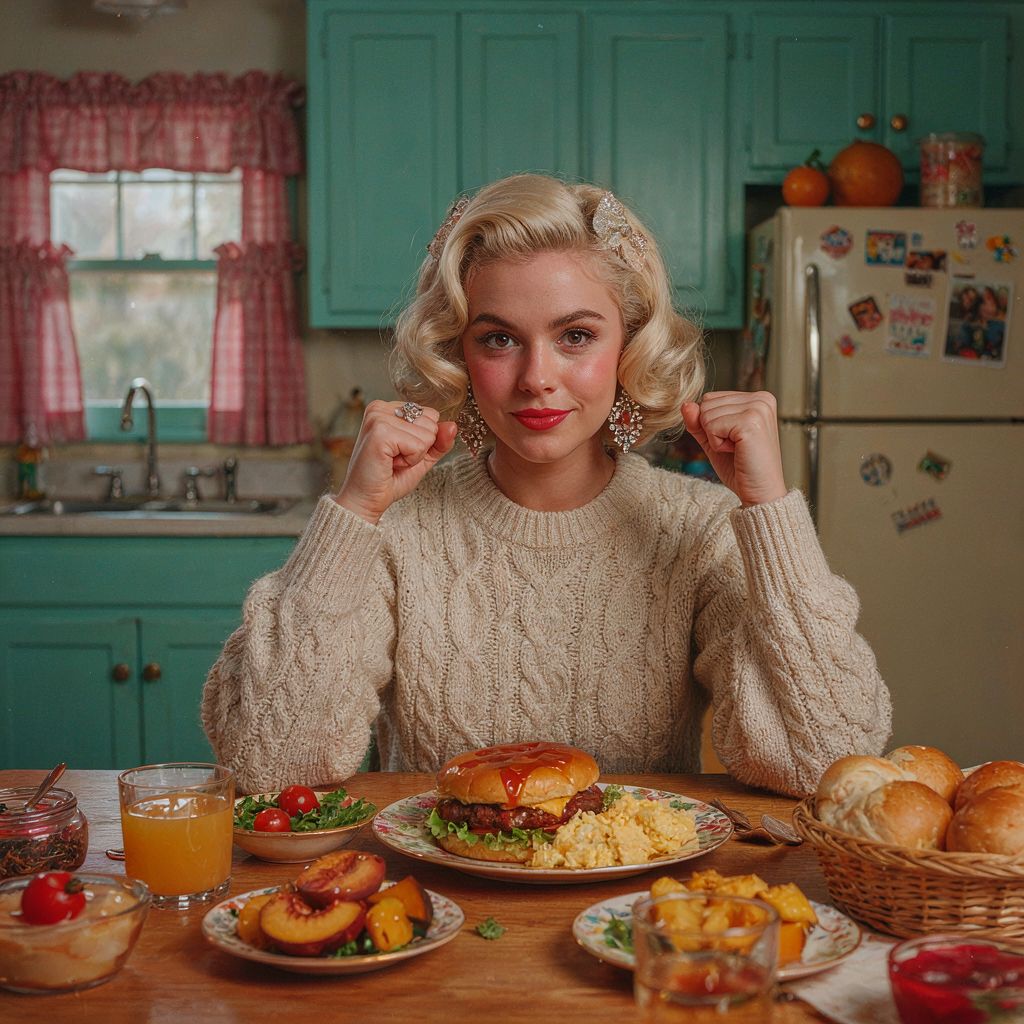
Pruna | P Image | Ideogram
P-Image-Ideogram turns text prompts into detailed 1K or 2K images, including layouts with rendered text for posters, ads, and social graphics.
- Runtime (p50)
- 15s
- Estimated price
- $0.003–$0.066 per execution, depending on height and image size and thinking and width
Overview
P-Image Ideogram Overview
P-Image Ideogram is a Pruna AI text-to-image model built specifically for design work where in-image text, layout, and branding must be precise. It turns natural language prompts into detailed 1K or 2K images, including posters, ads, and social graphics with correctly rendered typography and tight prompt adherence. The model is part of the Pruna AI P-Image family, optimized for fast, production-grade generation and high-volume workflows. Its primary differentiator is accurate, controllable text rendering inside images: users can quote text in the prompt and get clean, correctly spelled, well-placed lettering suitable for real campaigns and marketing assets. On each::labs, the P-Image Ideogram API makes this capability accessible through a simple, scalable integration for creative and product teams.
Capabilities
Capabilities
- Generates high-quality 1K and 2K images from text prompts for design, marketing, and product visuals.
- Renders in-image text with strong spelling accuracy and prompt adherence when words are quoted in the prompt.
- Supports multiple aspect ratios and custom resolutions for posters, stories, feeds, banners, and print-ready layouts.
- Offers four quality modes to trade off speed vs. fidelity, enabling rapid exploration or higher-end output from the same P-Image Ideogram API.
- Provides layout-aware generation tuned for headlines, subheads, taglines, and fine print in a single image without manual text compositing.
- Delivers fast turnaround (often a few seconds per 1K generation), suitable for high-volume production workflows.
- Accepts both plain natural language prompts and structured JSON prompts for precise element placement and color control.
Use cases
Use Cases for P-Image Ideogram
Marketing teams: Create campaign-ready ads and social assets where the headline, offer, and legal copy must be correctly spelled and perfectly placed. Example prompt: “Facebook ad, bold headline ‘FREE SHIPPING WEEKEND’, product photo background, fine print terms in tiny text at bottom, 16:9 aspect ratio, bright retail style.”
Brand and graphic designers: Rapidly iterate on poster, flyer, and packaging concepts with consistent typography and layout-aware composition. Example prompt: “event poster, main title ‘NIGHT RUN 10K’, date and city below, sponsor logos area at bottom, dark gradient neon style, 2:3 vertical.”
Content creators and social managers: Generate platform-specific social graphics—stories, reels covers, feed posts—using preset aspect ratios and strong text rendering. Example prompt: “YouTube thumbnail, text ‘ULTIMATE DESK SETUP’ on left, photo-real desk on right, bold tech aesthetic, 16:9.”
Developers and product teams: Embed the P-Image Ideogram API into creative tools or automation pipelines to generate branded visuals at scale with declarative JSON prompts for strict layout control.
Tips & tricks
Tips and Tricks
To get the most from P-Image Ideogram, be explicit about both visual style and text layout in your prompt. Put exact wording for headlines, taglines, or CTAs in quotation marks to improve spelling and placement in the final image. Describe where you expect text to appear (for example, “bold headline at top, small legal text in the bottom-right corner”) so the model can compose the layout accordingly. When available, use structured JSON prompts in the P-Image Ideogram API to define elements, regions, and colors for brand-safe designs. Start at MEDIUM quality for fast concepting and switch to HIGH only for final renders to balance speed and cost. Example prompts:
“bold product launch poster with ‘NOVA ENERGY’ as main headline and ‘zero sugar, full focus’ subtitle, high-contrast neon style, 2K resolution, 3:4 aspect ratio”
“Instagram story ad, pastel colors, top text ‘SUMMER SALE’, center product photo style bottle, bottom text ‘up to 40% off’, 9:16 aspect ratio”
“minimalist conference flyer, main title ‘AI DESIGN DAYS 2026’, date and venue in small text below, clean sans-serif typography, 1:1 square layout”Technical spec
Technical Specifications
- Provider / Family: Pruna AI, P-Image text-to-image family.
- Task: Text-to-image only (no image input; no negative prompt support).
- Resolutions: Native 1K and 2K presets, with custom dimensions up to 2560 px per side; total resolution budget up to about 6 megapixels.
- Aspect ratios: Presets for 9:16, 2:3, 3:4, 1:1, 4:3, 3:2, 16:9, plus custom aspect ratios via explicit width/height.
- Latency / Performance: Typical 1K generations return in about 2.9–5.0 seconds depending on quality settings.
- Quality controls: Four quality modes (VERY_LOW, LOW, MEDIUM, HIGH); default MEDIUM.
- API interface: Text-to-image endpoint with JSON payload, including prompt, quality, resolution, and aspect_ratio parameters.
Things to be aware of
Things to Be Aware Of
P-Image Ideogram is specialized for text-to-image and does not take image uploads, so it cannot directly edit or remix existing photos. Text accuracy is strong but not perfect; very long bodies of copy or dense paragraphs may still require manual checking. Highly complex layouts with many text regions might need structured JSON prompting and a few iterations to dial in spacing and hierarchy. At higher resolutions and quality levels, latency and cost increase relative to 1K MEDIUM runs, which are tuned for speed. As with many generative models, niche or ambiguous prompts can produce unexpected compositions, so clear, grounded descriptions work best.
Key considerations
Key Considerations
P-Image Ideogram is designed for text-forward design assets, so it excels when the main challenge is getting accurate, legible copy directly into the image. It works via the P-Image Ideogram API, which accepts a required positive prompt and optional settings for quality, resolution, and aspect ratio. The model does not accept reference images or negative prompts, making it a pure text-to-image workflow best suited to new designs rather than edits. It is ideal when you want rapid iteration on posters, social ads, or product visuals with consistent layout and typography, especially at 1K or 2K resolution where speed and cost are optimized. For complex photoreal edits or reference-driven workflows, a different Pruna AI model may be more appropriate.
Limitations
Limitations
P-Image Ideogram is limited to text-to-image generation and does not support image inputs, negative prompts, or reference-based styling within the same model. It is not intended for fine-grained photo editing, background replacement, or multi-image consistency tasks, which are better handled by dedicated editing or try-on variants in the broader Pruna AI ecosystem. Very long or legally sensitive text blocks may still require manual typesetting to guarantee line breaks and exact micro-typography. Users should also stay within the documented resolution and pixel budget to avoid failures or automatic downscaling in the P-Image Ideogram API.
Related models
4 models

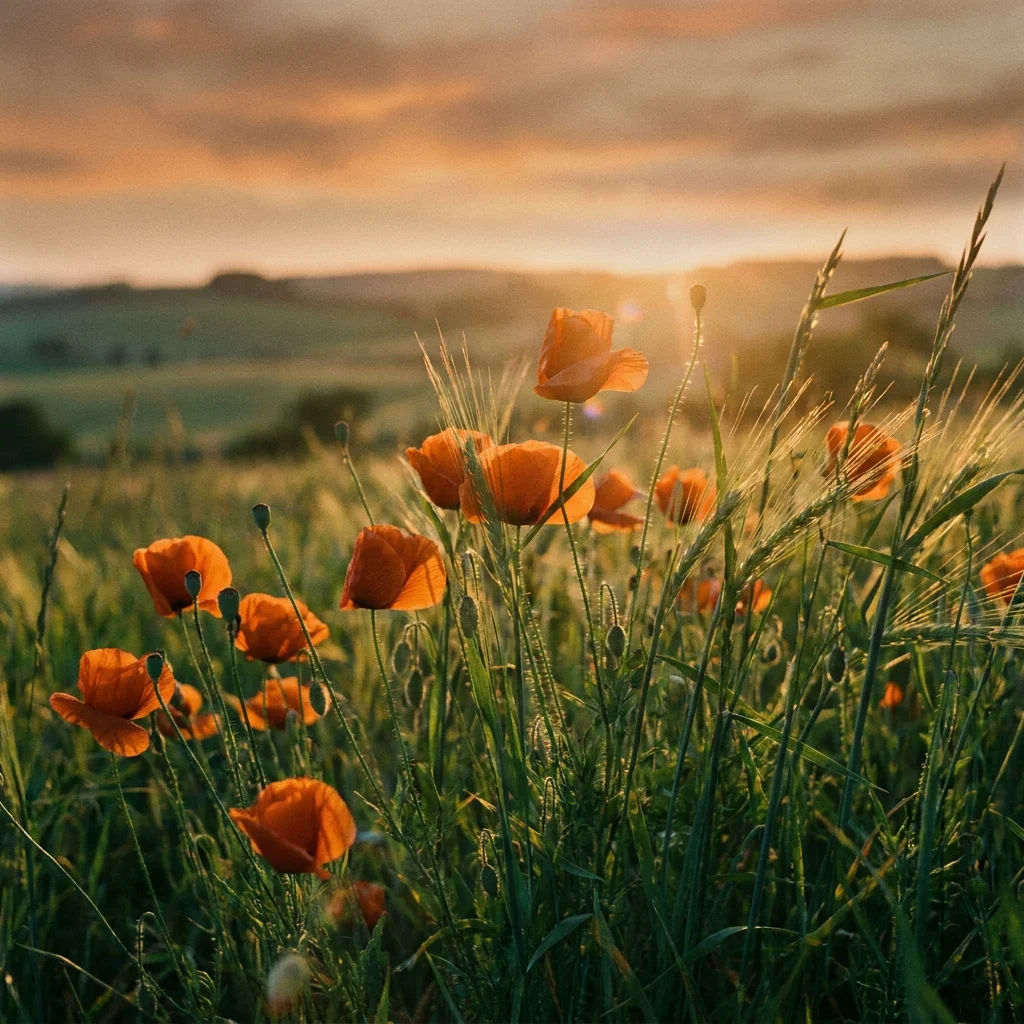

About Pruna | P Image | Ideogram
What is P-Image-Ideogram?
P-Image-Ideogram is a text-to-image model from Pruna AI that generates high-quality images from a written prompt. It handles layouts with rendered text, so words stay part of the design rather than an afterthought. You can generate at 1K or 2K and set a thinking level to balance speed against quality.