Wan 2.2 for Character Animation Workflows
As AI-generated video becomes more integrated into digital products and social content, loopable animation has emerged as one of the most valuable motion formats. Short, seamless animation cycles are everywhere—from background visuals and UI motion to social media clips and digital art. Wan2.2 is particularly well-suited for this use case, offering creators greater control over continuity, pacing, and repeatable motion. In this guide, we explore how wan2.2 can be used to design smooth, loopable
As AI-generated video becomes more integrated into digital products and social content, loopable animation has emerged as one of the most valuable motion formats. Short, seamless animation cycles are everywhere—from background visuals and UI motion to social media clips and digital art. Wan2.2 is particularly well-suited for this use case, offering creators greater control over continuity, pacing, and repeatable motion.
In this guide, we explore how wan2.2 can be used to design smooth, loopable AI animations, why looping motion matters, and how to structure prompts and workflows to achieve seamless results.
Why Loopable Animation Matters in AI Video
Loopable animation is a format where motion flows continuously without a visible start or end point. When done well, the animation can repeat indefinitely without breaking immersion.
This format is especially important for:
- Short-form video platforms
- Background animations
- UI and product motion
- Ambient visual content
- Digital art and installations
In AI-generated video, looping is more challenging than it seems. If motion resets abruptly or drifts over time, the loop becomes obvious and distracting. Wan2.2 addresses this challenge by maintaining stronger temporal consistency across frames.
How Wan2.2 Supports Seamless Motion Cycles
Wan2.2 approaches animation with continuity in mind. Rather than producing dramatic, one-off motion bursts, it excels at controlled, rhythmic movement that can be repeated smoothly.
Key strengths of wan2.2 for loopable animation include:
- Stable motion pacing
- Predictable movement paths
- Reduced frame-to-frame drift
- Consistent subject proportions
- Smooth transitions between motion states
These qualities make it easier to design animations where the final frame naturally connects back to the first.
Types of Loopable Animations Created with Wan2.2
Wan2.2 is flexible enough to support many types of looping motion. Some of the most effective categories include:
Subtle Character Loops
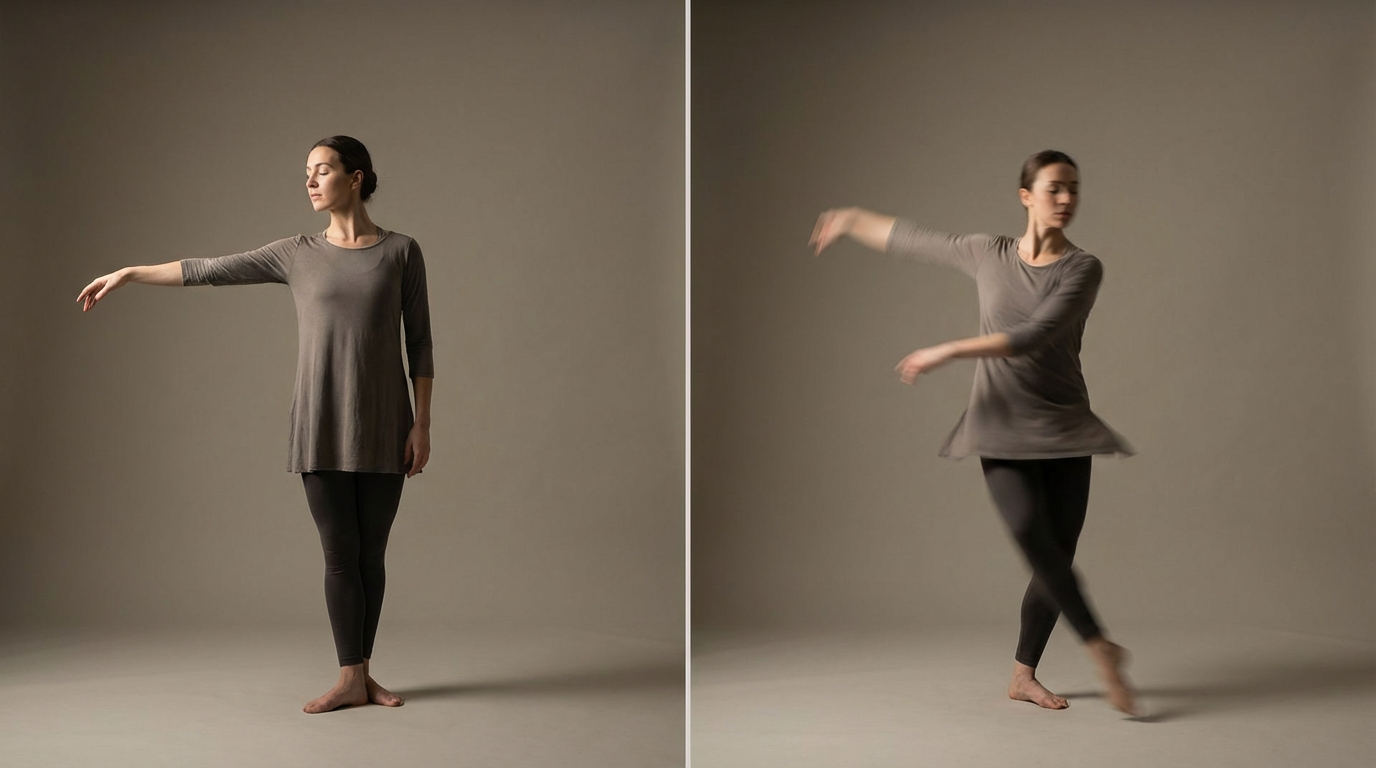
Small, repeating movements such as breathing, weight shifting, or gentle arm motion work especially well. These loops feel alive without drawing too much attention to themselves.
Dance and Performance Loops
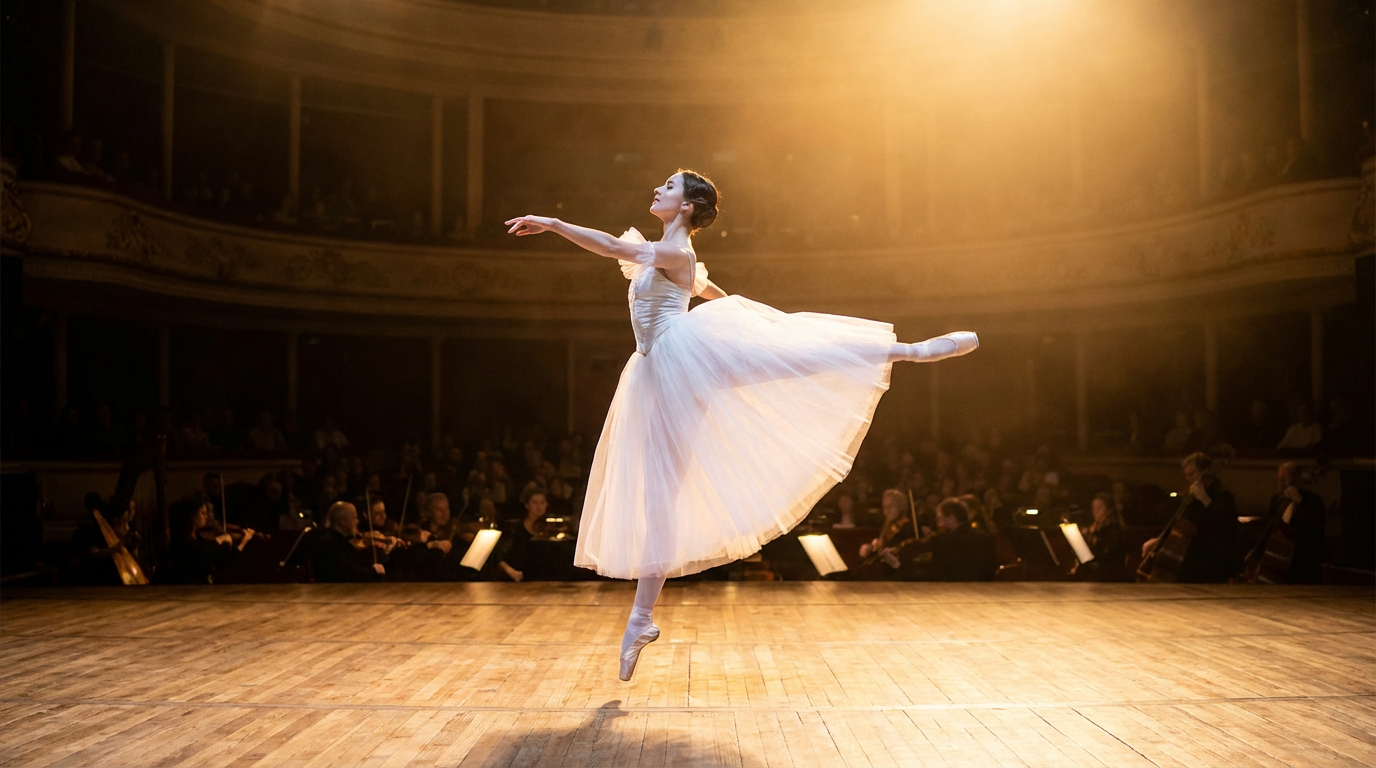
Short dance phrases, turns, or flowing gestures can be looped to create hypnotic motion. Wan2.2 handles body continuity well, making repeated motion feel intentional rather than mechanical.
Environmental Motion
Elements like fabric movement, hair flow, fog, light shifts, or water ripples are ideal for looping animations. These motions don’t require exact repetition, only consistent rhythm.
Abstract and Artistic Motion
For digital art and experimental visuals, wan2.2 can generate flowing, cyclical motion that prioritizes feeling over realism.
Designing Motion with Looping in Mind
Creating loopable animation starts at the concept stage. Wan2.2 performs best when the motion itself is designed to repeat.
Effective looping motion usually:
- Has a clear rhythmic pattern
- Avoids sudden acceleration or stops
- Returns the subject to a similar pose or state
- Uses circular or oscillating movement
When motion naturally cycles, wan2.2 can maintain continuity more easily across frames.
Prompting Strategies for Loopable Results
Prompt structure plays a major role in loop quality. Wan2.2 responds well to motion-focused language that emphasizes repetition and flow.
Useful prompt elements include:
- “looping motion”
- “continuous movement”
- “slow rhythmic motion”
- “gentle repeated gesture”
- “seamless cycle”
Avoid prompts that suggest a clear beginning or ending, such as “starts walking” or “finishes turning,” as these can break the loop.
Managing Timing and Pacing
Loopable animations depend heavily on pacing. Motion that is too fast often feels abrupt when repeated, while extremely slow motion may feel stagnant.
Wan2.2 performs best with:
- Moderate, even pacing
- Smooth acceleration and deceleration
- Consistent speed throughout the loop
Reviewing the animation as a full loop—rather than as individual frames—helps identify pacing issues early.
Maintaining Visual Consistency Across Loops
One common issue in AI animation is gradual visual drift. Over time, characters may shift position, lighting may change, or proportions may subtly distort.
Wan2.2 reduces this problem by:
- Preserving structural consistency
- Keeping camera perspective stable
- Maintaining lighting behavior across frames
This stability is critical for loops that repeat many times without visual fatigue.
Loopable Animation in Creative Workflows
Loopable AI animations created with wan2.2 fit naturally into many workflows.
Designers often use them as:
- Background motion for websites and apps
- Ambient visuals for presentations
- Looping social media clips
- Motion elements in digital products
Artists use them to create:
- Generative art pieces
- Calm, meditative visuals
- Repeating performance studies
Because loops are short and contained, they are also easier to refine and iterate on than longer animations.
Common Mistakes to Avoid
Even with a strong model like wan2.2, certain mistakes can reduce loop quality.
Common issues include:
- Overcomplicated motion paths
- Multiple conflicting movement instructions
- Sharp pose changes within the loop
- Large camera movements
Simpler motion almost always loops better than complex choreography.
Why Wan2.2 Is Well-Suited for Loop Design
Wan2.2 stands out because it treats motion as a continuous system rather than a sequence of disconnected frames. This makes it especially effective for animation formats where repetition and flow are essential.
By focusing on temporal coherence, wan2.2 allows creators to design motion that feels intentional, calm, and repeatable—qualities that are difficult to achieve with more chaotic animation models.
If you want to explore wan2.2 further and experiment with loopable animation workflows, you can explore it through Eachlabs, where motion-focused models can be tested and refined in a structured creative environment.
Wrapping Up
Loopable animation is one of the most practical and widely used formats in modern AI-generated video. With its focus on motion continuity, stable pacing, and visual consistency, wan2.2 offers a strong foundation for creating seamless motion cycles.
For creators interested in short-form animation, ambient motion, or repeatable visual design, understanding how to use wan2.2 for loopable animation opens up a wide range of creative possibilities. As AI animation continues to evolve, controlled, loop-friendly motion will remain a key skill—and wan2.2 is well-positioned to support it.
Frequently Asked Questions
1. What is wan2.2 best used for?
Wan2.2 is best used for AI-generated animations that require smooth, continuous motion. It is especially effective for loopable animations, subtle character movement, dance loops, and ambient visual content where motion consistency is critical.
2. Can wan2.2 create seamless loop animations?
Yes. Wan2.2 is well-suited for creating seamless loopable animations because it maintains strong temporal consistency and stable motion paths. When prompts are designed with rhythmic, cyclical movement in mind, loops can repeat smoothly without visible breaks.
3. What types of motion work best with wan2.2?
Wan2.2 performs best with controlled, flowing motion such as gentle gestures, repeated dance movements, fabric motion, hair flow, and environmental elements like fog or light shifts. Extremely fast or chaotic motion may reduce loop quality.