Using AI Sora for Concept Films and Mood Videos
As AI-generated video continues to mature, creators are no longer using these tools solely for literal storytelling or technical demos. Instead, there is a growing shift toward concept films and mood videos—short, atmospheric pieces that prioritize emotion, texture, and visual rhythm over linear narrative. This is where AI Sora becomes especially compelling. Rather than focusing only on plot-driven scenes, AI Sora excels at translating abstract ideas, emotional states, and visual moods into ci
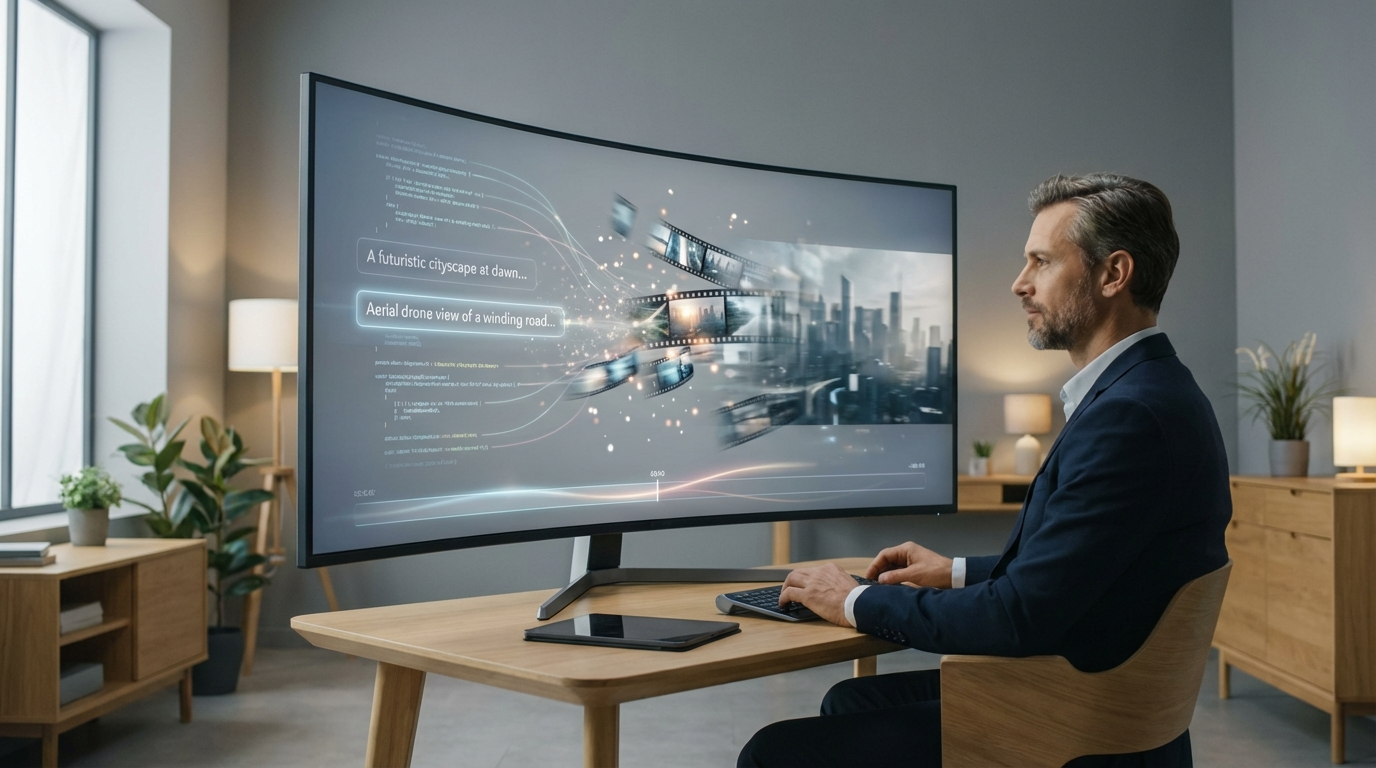
As AI-generated video continues to mature, creators are no longer using these tools solely for literal storytelling or technical demos. Instead, there is a growing shift toward concept films and mood videos—short, atmospheric pieces that prioritize emotion, texture, and visual rhythm over linear narrative.
This is where AI Sora becomes especially compelling.
Rather than focusing only on plot-driven scenes, AI Sora excels at translating abstract ideas, emotional states, and visual moods into cinematic video outputs. It allows creators to work with feeling, tone, and aesthetic intent in a way that closely mirrors how concept films are traditionally developed.
In this guide, we explore how AI Sora can be used to create concept films and mood videos, why this format matters, and how to structure prompts and workflows to achieve visually rich, emotionally resonant results.
What Are Concept Films and Mood Videos?
Concept films and mood videos are short-form visual pieces designed to communicate atmosphere rather than story. They are often used in:
- Early-stage film development
- Brand identity exploration
- Art and fashion visuals
- Campaign mood-setting
- Experimental and abstract video art
Unlike traditional narrative videos, these formats do not require a beginning, middle, or end. Instead, they rely on:
- Visual tone
- Color and lighting
- Camera movement
- Rhythm and pacing
- Emotional continuity
AI Sora fits naturally into this space because it can interpret descriptive, emotional prompts and translate them into cohesive cinematic scenes.
Why AI Sora Works So Well for Mood-Driven Video
AI Sora is particularly effective for concept films because it treats video generation as a continuous visual experience, not just a collection of animated frames.
Key strengths include:
- Strong atmospheric consistency
- Smooth transitions between visual states
- Cinematic lighting behavior
- Natural motion flow
- Ability to interpret abstract concepts
This makes it easier to generate videos that feel intentional rather than mechanically animated.
Mood videos benefit greatly from this approach, as even small inconsistencies can break immersion.
Designing Concept Films with AI Sora
Creating a successful concept film starts with intention. Instead of asking “what happens,” creators should ask:
- What should this feel like?
- What emotion should linger after watching?
- Is the tone calm, tense, nostalgic, surreal, or intimate?
AI Sora responds best when prompts are structured around sensory and emotional language, not rigid action steps.
Effective Prompt Focus Areas
When creating concept films with AI Sora, prompts should emphasize:
- Atmosphere (foggy, warm, quiet, expansive)
- Lighting (soft daylight, neon glow, low-contrast shadows)
- Camera behavior (slow pan, static framing, gentle drift)
- Visual texture (grain, haze, softness)
- Emotional tone (melancholic, hopeful, dreamlike)
Avoid overloading prompts with too many actions or scene changes. Mood videos thrive on restraint.
Using AI Sora for Mood Videos in Creative Workflows
Mood videos are often used as supporting creative assets rather than final products. AI Sora fits seamlessly into this role.
Common workflow uses include:
- Pitch decks and concept presentations
- Brand mood exploration
- Visual references for directors and designers
- Campaign tone testing
- Art installations and digital exhibitions
Because AI Sora allows fast iteration, creators can test multiple moods for the same idea—changing lighting, pace, or color grading without rebuilding the entire scene.
Visual Continuity and Emotional Flow
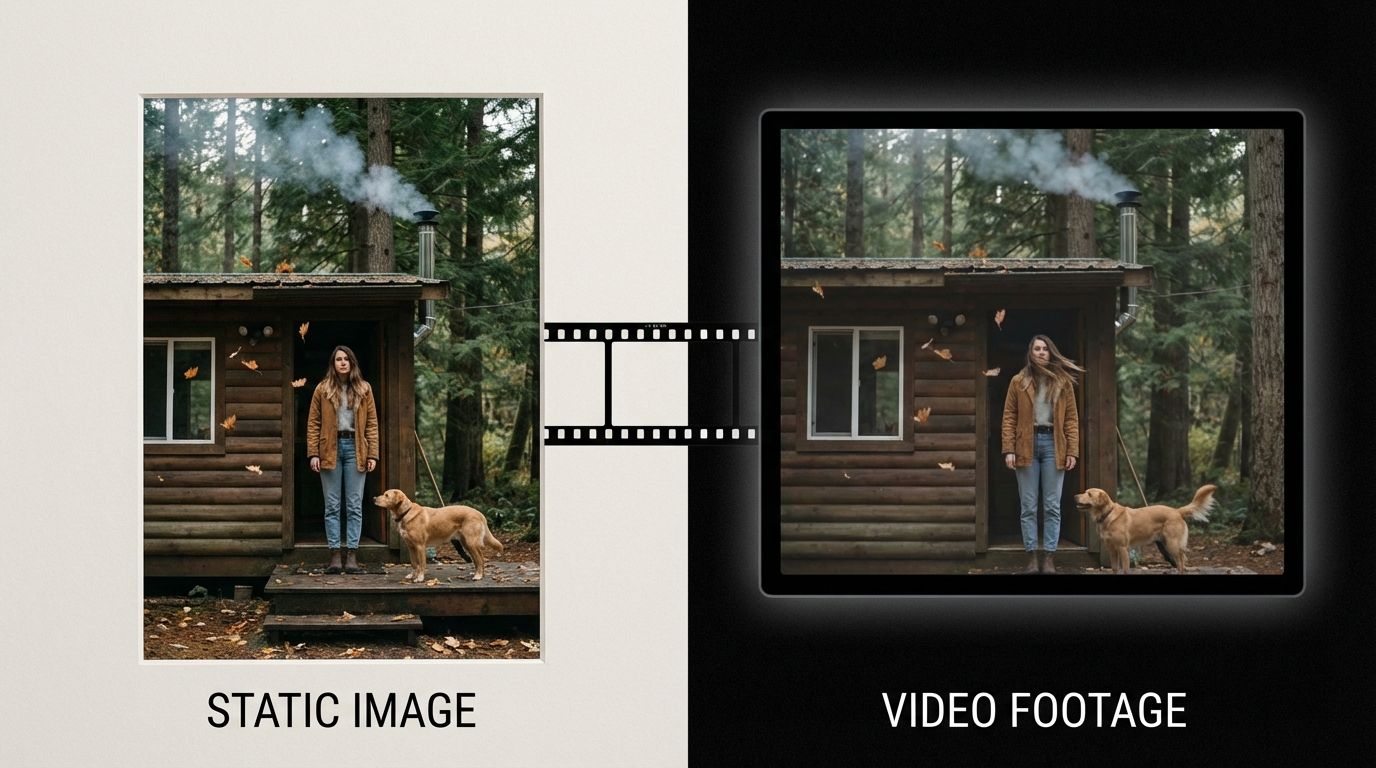
One of the most important elements in mood-driven video is emotional continuity. Sudden shifts in lighting, camera movement, or subject behavior can disrupt the intended feeling.
AI Sora helps maintain flow by:
- Keeping camera perspective stable
- Preserving subject proportions
- Maintaining lighting logic across frames
- Avoiding abrupt motion resets
This consistency allows creators to focus on fine-tuning mood rather than fixing technical breaks.
Concept Films for Brands and Creative Direction
Brands increasingly use concept films to define visual identity before launching full campaigns. These videos are not meant to sell directly but to establish tone and emotion.
AI Sora enables brands and creative teams to:
- Explore visual language quickly
- Test abstract concepts without full production
- Align stakeholders around a shared aesthetic
- Reduce pre-production time
Because concept films are inherently exploratory, AI-driven generation becomes a powerful creative partner rather than a replacement for traditional production.
Common Mistakes to Avoid
Even with a strong model like AI Sora, certain mistakes can weaken concept films:
- Overly literal prompts
- Too many scene changes
- Fast, chaotic motion
- Excessive realism when abstraction is needed
Mood videos work best when creators trust subtlety. Less instruction often produces more evocative results.
Exploring AI Sora Further
If you want to explore AI Sora further and experiment with concept film and mood video workflows, you can explore it through Eachlabs, where creators can test motion-focused AI models and refine visual direction in a structured creative environment.
Wrapping Up
Concept films and mood videos represent a shift in how creators use AI-generated video. Instead of focusing solely on narrative or technical output, these formats prioritize emotion, atmosphere, and visual intent.
AI Sora is especially well-suited for this approach. Its ability to interpret abstract prompts, maintain cinematic consistency, and generate emotionally coherent scenes makes it a powerful tool for visual exploration.
As creative workflows continue to evolve, using AI Sora for concept films and mood videos opens new possibilities for experimentation, faster ideation, and deeper visual storytelling—without the constraints of traditional production pipelines.
Frequently Asked Questions
1. What is AI Sora best used for in video creation?
AI Sora is best suited for concept films, mood videos, and atmospheric visuals where emotion, pacing, and visual tone matter more than linear storytelling. It excels at translating abstract ideas into cinematic scenes.
2. Can AI Sora be used without a detailed script?
Yes. AI Sora performs especially well with mood-driven prompts that focus on atmosphere, lighting, and emotional intent rather than step-by-step scripts. This makes it ideal for early-stage creative exploration.
3. Are concept films created with AI Sora suitable for professional use?
Concept films generated with AI Sora are commonly used for creative direction, brand mood exploration, pitch decks, and visual references. While they may not replace final production, they are highly effective for professional ideation and presentation.