Flux AI vs Other Image Models: A Visual Quality Comparison
As AI image generation continues to evolve, creators now have access to a wide range of models, each optimized for different visual goals. While some models prioritize speed or scalability, others focus on realism, stylistic control, or commercial safety. Among these options, Flux AI stands out for its cinematic depth and atmospheric quality. In this article, we compare Flux AI with other popular image models including Nano Banana, ByteDance Seedream, Bria, and Reve. The goal is not to crown a
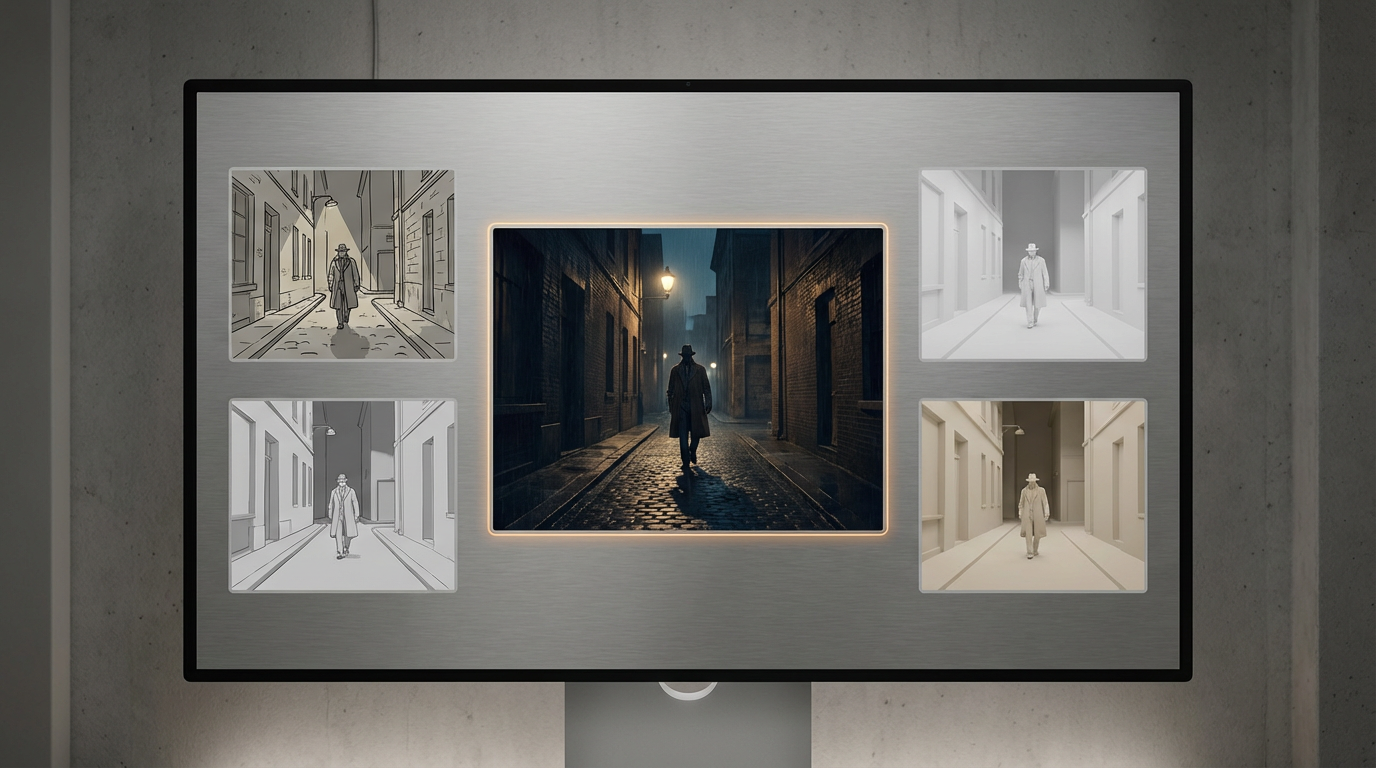
As AI image generation continues to evolve, creators now have access to a wide range of models, each optimized for different visual goals. While some models prioritize speed or scalability, others focus on realism, stylistic control, or commercial safety. Among these options, Flux AI stands out for its cinematic depth and atmospheric quality.
In this article, we compare Flux AI with other popular image models including Nano Banana, ByteDance Seedream, Bria, and Reve. The goal is not to crown a single “best” model, but to understand where each one excels—and when Flux AI becomes the stronger choice.
Understanding the Core Differences Between Image Models
AI image models are shaped by the problems they are designed to solve. Some are optimized for expressive portraits, others for brand-safe visuals or high-volume production. These priorities directly influence how images look and feel.
Key comparison factors include:
- Visual depth and realism
- Atmospheric lighting and mood
- Consistency and predictability
- Creative freedom versus control
- Suitability for professional or commercial use
Flux AI and the models compared here represent different answers to these needs.
Flux AI: Cinematic Depth and Atmospheric Realism
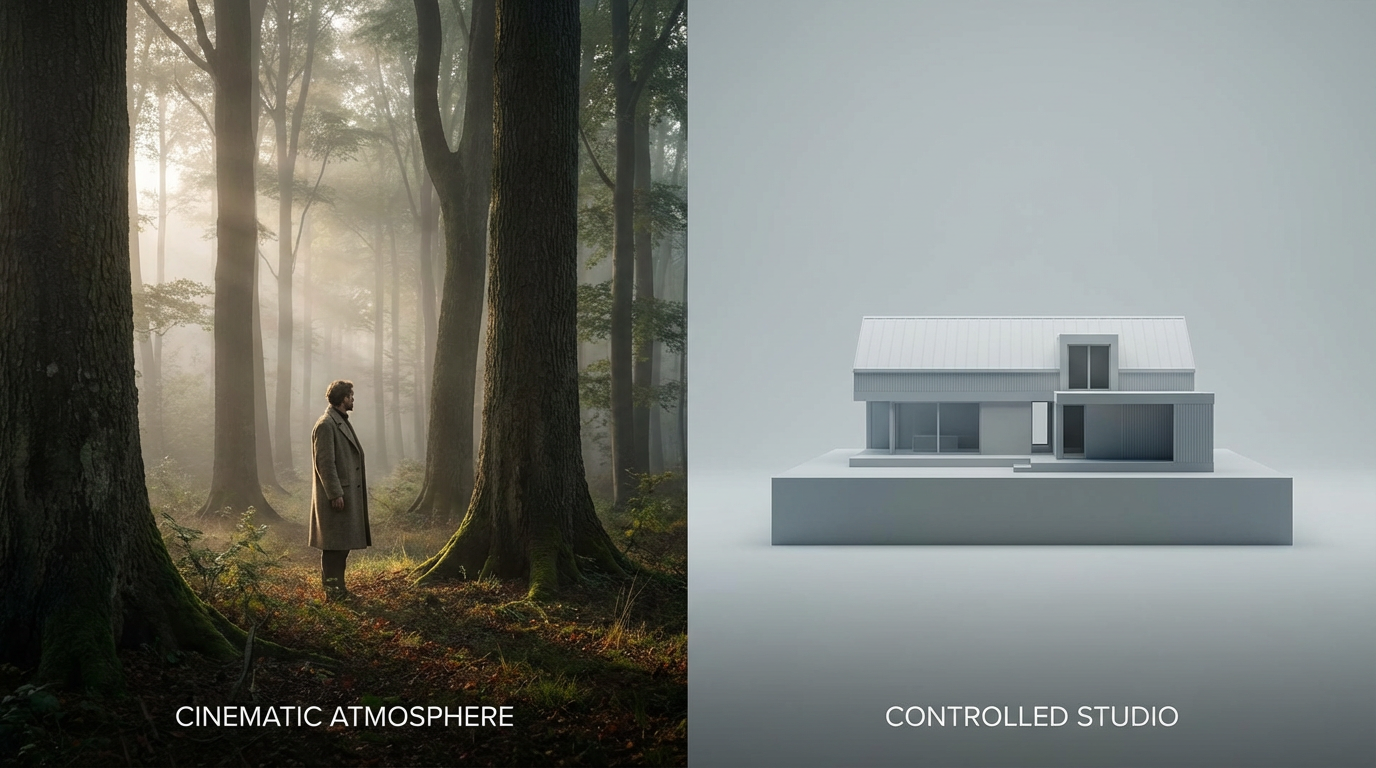
Flux AI is built around visual richness. It excels at creating images that feel layered, immersive, and emotionally grounded. Lighting plays a central role in its outputs, often producing soft shadows, natural gradients, and a strong sense of spatial depth.
Strengths
- Strong cinematic and editorial aesthetic
- Natural lighting and atmospheric composition
- High visual depth and realism
- Ideal for concept art, storytelling, and mood-driven visuals
Limitations
- Not optimized for ultra-fast or bulk generation
- May require thoughtful prompt structure for precise control
Flux AI is especially effective when the image itself needs to carry emotion or narrative weight.
Nano Banana: Expressive Realism for Social and Portrait Content
Nano Banana focuses on expressive realism, particularly in faces and human subjects. Its outputs are polished, visually striking, and well-suited for trend-driven content.
Strengths
- Excellent facial detail and skin texture
- Expressive, high-impact visuals
- Strong fit for portraits and social media content
Limitations
- Less emphasis on environmental depth
- Can feel visually intense for minimal or cinematic scenes
Compared to Flux AI, Nano Banana prioritizes immediacy and expressiveness over atmosphere.
ByteDance Seedream: Speed and Scalable Image Production
Seedream is designed for efficiency and scale. It performs best in workflows where large volumes of images are needed quickly and consistently.
Strengths
- Fast generation speed
- Consistent output across batches
- Ideal for large content pipelines
Limitations
- Lower detail richness
- Limited atmospheric or cinematic nuance
While Flux AI focuses on visual storytelling, Seedream is better suited for production-heavy environments where speed matters most.
Bria: Brand-Safe and Commercially Oriented Visuals
Bria emphasizes predictability and legal clarity. Its conservative visual style makes it a popular choice for marketing and corporate use.
Strengths
- Clean, professional outputs
- Brand-safe and commercially reliable
- Reduced risk of visual artifacts
Limitations
- Limited creative freedom
- Less expressive or cinematic output
Flux AI offers more artistic range, while Bria prioritizes safety and consistency.
Reve: Structured and Controlled Image Generation
Reve is known for clean composition and predictable results. It avoids dramatic stylization in favor of balance and clarity.
Strengths
- Strong prompt adherence
- Consistent framing and lighting
- Suitable for minimal and professional visuals
Limitations
- Narrow stylistic range
- Less emotional or atmospheric depth
Compared to Flux AI, Reve favors structure over mood and visual storytelling.
Visual Comparison Summary
- Flux AI: Best for cinematic, atmospheric, and emotionally rich visuals
- Nano Banana: Best for expressive portraits and social media imagery
- Seedream: Best for fast, high-volume image generation
- Bria: Best for brand-safe and commercial visuals
- Reve: Best for clean, structured, and predictable images
Each model excels in a different creative context. Flux AI stands out when depth, lighting, and mood are central to the visual goal.
Choosing the Right Model for Your Workflow
Rather than relying on a single image model, many advanced creators use multiple tools depending on the task. Flux AI often fits best in the early creative or final storytelling stages, while other models support speed, refinement, or commercial constraints.
If you want to explore Flux AI and compare it with other image models in a structured environment, you can discover these workflows through Eachlabs.
Wrapping Up
Flux AI does not aim to be the fastest or the most conservative image model. Instead, it focuses on visual impact, depth, and atmosphere. When compared with Nano Banana, Seedream, Bria, and Reve, its strength lies in cinematic realism and emotional presence.
Understanding these differences allows creators to choose the right tool for each project—using Flux AI where visual storytelling matters most.
Frequently Asked Questions
1. What makes Flux AI different from other image models?
Flux AI focuses on cinematic depth, atmospheric lighting, and visual storytelling. Unlike models optimized for speed or brand safety, it prioritizes mood, realism, and layered composition, making it ideal for concept art and editorial visuals.
2. Is Flux AI suitable for commercial and professional projects?
Yes, Flux AI can be used for professional projects where visual impact and realism are important. However, for strictly brand-safe or high-volume commercial workflows, creators may prefer combining Flux AI with more conservative models depending on the use case.
3. Can Flux AI be used alongside other image models in one workflow?
Absolutely. Many creators use Flux AI for cinematic or mood-driven images and other models for tasks like bulk generation, clean layouts, or social media visuals. Combining models allows greater flexibility and control across different stages of production.