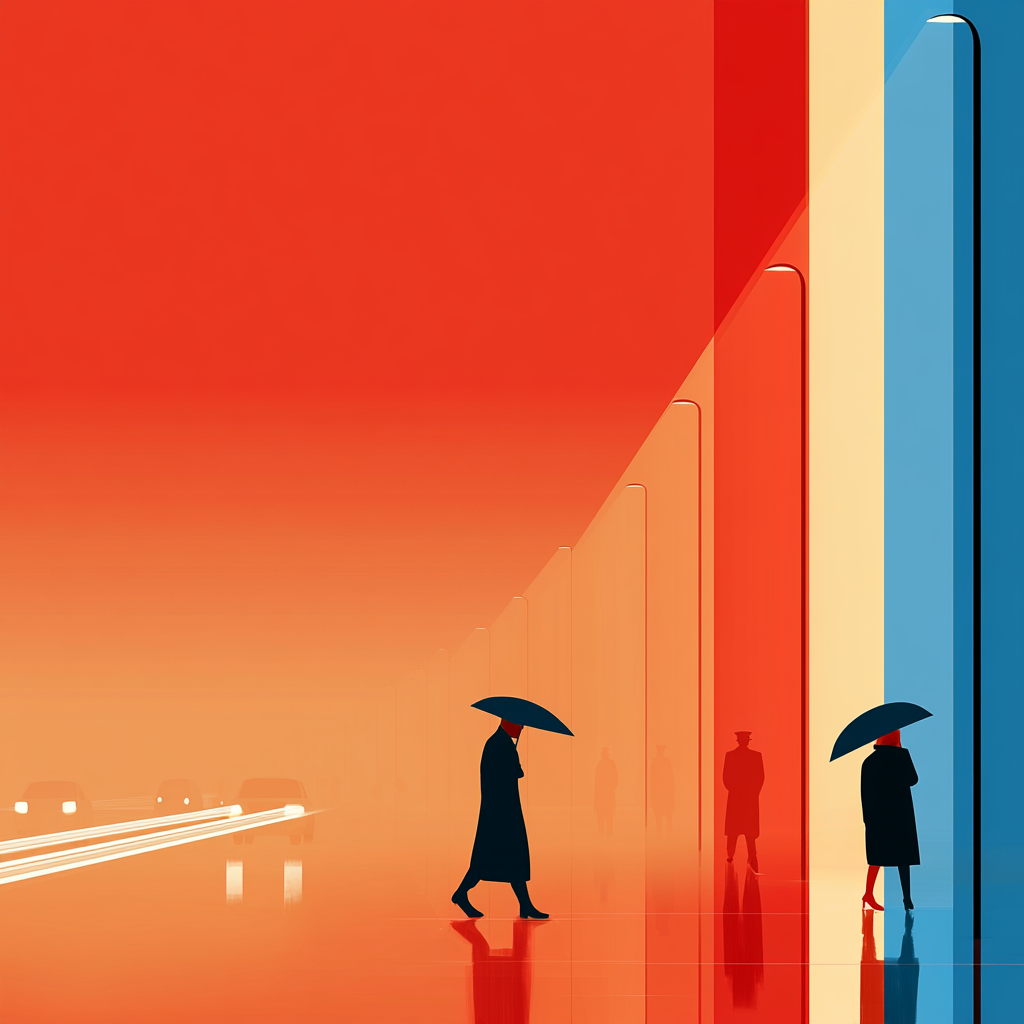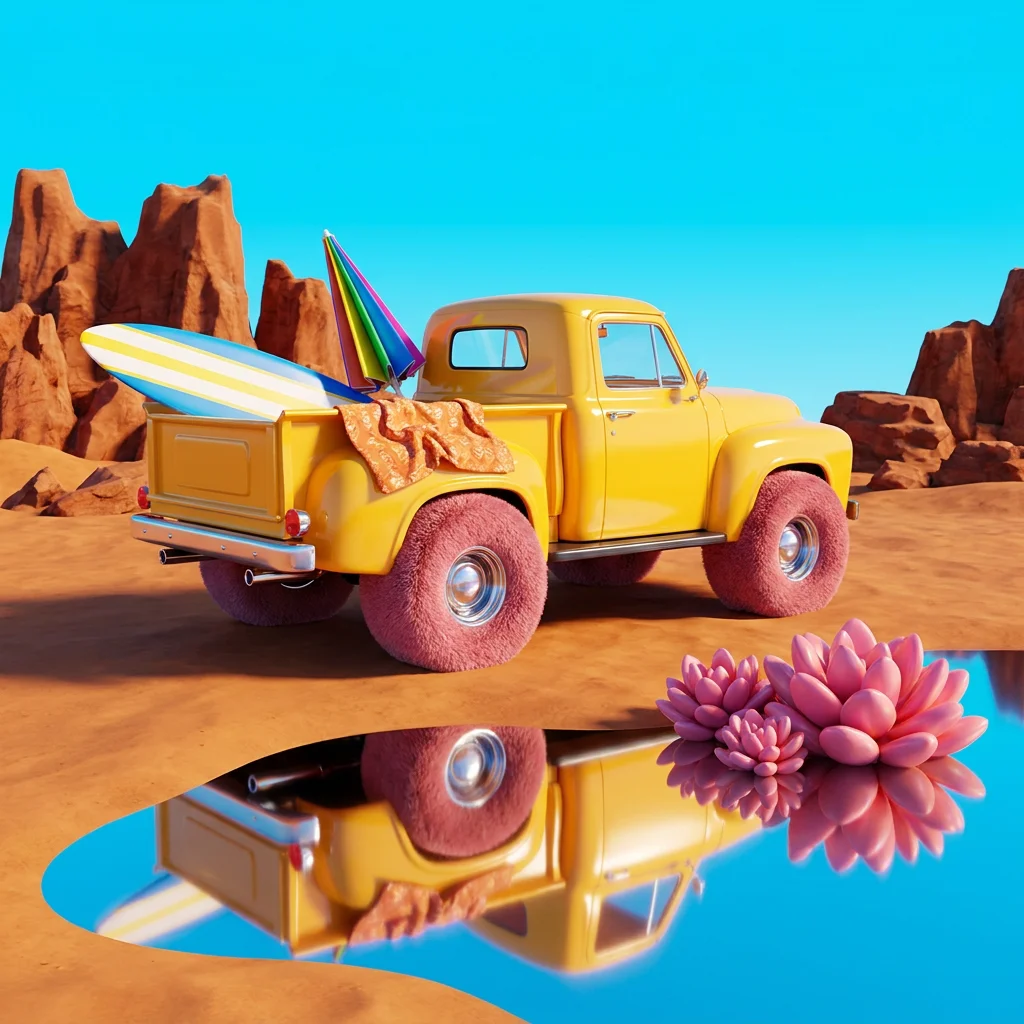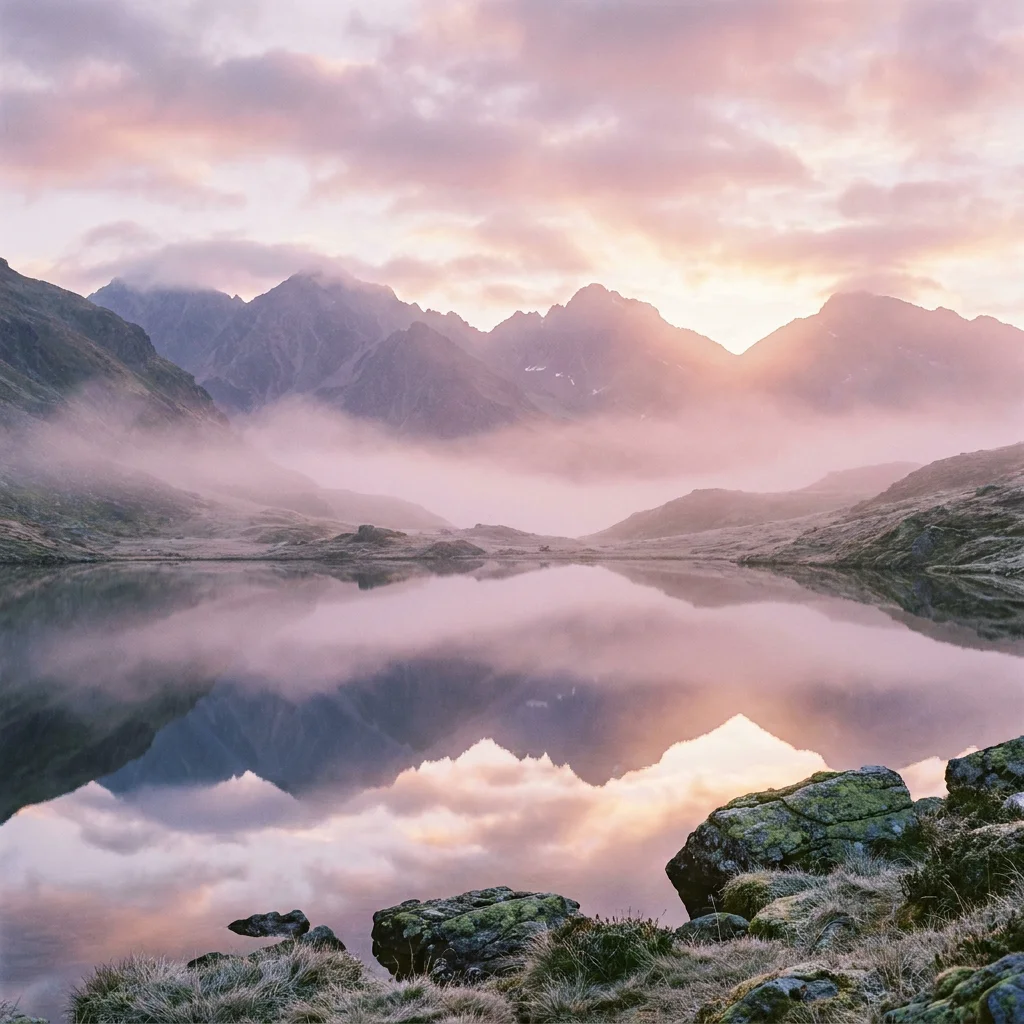
Nano Banana 2 | Lite | Text to Image
Nano Banana 2 Lite is the next-generation, fast and cost-efficient text-to-image model, delivering sharper, higher-quality images with rapid generation.
- Runtime (p50)
- 1s
- Estimated price
- $0.25–$30.00 per million tokens, depending on token type
Overview
Nano Banana 2 | Lite | Text to Image Overview
Nano Banana 2 | Lite | Text to Image is Google’s fastest, most cost-efficient text-to-image generation model in the Nano Banana family, built on the Gemini 3.1 Flash-Lite Image architecture and available through the Google text-to-image stack. It is designed for rapid ideation, interactive prototyping, and high-throughput visual workflows where ultra-low latency and low cost are critical. The primary differentiator of Nano Banana 2 | Lite | Text to Image is its ability to deliver high-quality images in roughly four seconds per generation, while still maintaining strong prompt adherence, character consistency, and legible in-image text. On each::labs, this model powers fast, cost-aware text-to-image pipelines so teams can iterate on layouts, scenes, and creative concepts at production-ready speeds.
Capabilities
Capabilities
- Delivers text-to-image outputs in approximately four seconds, enabling near-real-time ideation and interactive visual drafting.
- Generates photorealistic scenes with natural skin, cinematic lighting, and convincing material details for product and campaign imagery.
- Provides strong character consistency and object fidelity across multiple generations, useful for storyboards and multi-frame concepts.
- Supports rapid image editing workflows, including transforming or refining existing images within the Nano Banana 2 family pipeline.
- Renders legible in-image text for quick copy exploration and localization inside ad creatives and layouts.
- Optimized for cost-efficiency at scale, with pricing and performance benchmarked per 1K-resolution image for high-volume usage.
- Integrates with the Gemini API and related Google text-to-image tooling, making it straightforward for developers to embed into existing pipelines.
- Balances speed with reliable prompt adherence, simplifying complex prompts into coherent, visually polished outputs.
Use cases
Use Cases for Nano Banana 2 | Lite | Text to Image
For creative teams and designers, Nano Banana 2 | Lite | Text to Image is ideal for rapid moodboards and visual exploration, leveraging its four-second latency and photorealistic rendering. A designer might use prompts like “cinematic interior living room with soft evening light, Scandinavian furniture, 16:9 ratio” to quickly test layout and style.
Marketers and advertisers can generate campaign hero shots and localized variants at scale by combining realistic product imagery with legible in-image text. For example: “hero shot of a sports drink bottle with splashing water, bold tagline in English, high contrast studio lighting.”
Developers integrating the Nano Banana 2 | Lite | Text to Image API through each::labs can power interactive prototyping tools, previewing UI concepts or data visuals in seconds. A prompt such as “rough data visualization of global sales growth, clean chart style, bright corporate colors” lets users map ideas visually without manual design work.
Tips & tricks
Tips and Tricks
To get the most from Nano Banana 2 | Lite | Text to Image, write prompts that clearly describe the subject, environment, lighting, and camera style, then let the model handle realistic rendering. It responds well to photography language such as lens types, lighting setups, and material descriptors, which improves cinematic softness and product realism. For text-in-image, keep phrases short and high-level; while Nano Banana 2 Lite can render legible text, heavier models still win for complex copy or tightly structured layouts. When iterating in the Nano Banana workflow, lock character or product attributes across generations to benefit from its improved character consistency.
Example prompts:
- "Cinematic product hero shot of a matte black smartphone on a reflective glass table, soft studio lighting, 85mm lens, shallow depth of field."
- "Portrait of a young designer in a modern studio, natural window light, realistic skin tones, professional DSLR look, 3:4 aspect ratio."
- "Minimalist e-commerce banner with a pair of running shoes on a clean gradient background, simple headline text, high contrast lighting."
Technical spec
Technical Specifications
- Model family: Nano Banana 2 Lite (Gemini 3.1 Flash-Lite Image), part of Google’s Gemini image model lineup.
- Category: text-to-image generation and image editing, optimized for rapid drafting and iteration.
- Latency: typical text-to-image outputs in about 4 seconds per image, at 1K-class resolution.
- Resolution: designed for 1K resolution images; performance benchmarks and pricing are published per 1K-resolution image.
- Aspect ratios: supports common creative ratios (e.g., 1:1, 3:4, 9:16, 4:3, 16:9) through the underlying Nano Banana 2 workflow.
- Inputs: text prompt as primary input; supports image editing workflows using reference images via the Nano Banana 2 pipeline.
- Outputs: raster image files suitable for web, product, and marketing use (standard image formats via the Nano Banana 2 | Lite | Text to Image API).
Things to be aware of
Things to Be Aware Of
Nano Banana 2 | Lite | Text to Image prioritizes speed and cost, so extremely fine details, tiny text, or complex diagrams may not match the precision of heavier image models. Google notes that Gemini image models can still struggle with small faces, fine details, and perfect spelling inside images. While Nano Banana 2 Lite has improved text rendering, GPT Image 2 and similar models remain stronger for intricate layouts, multi-panel comics, or heavily instructional graphics. Image editing workflows may show slightly higher latency than pure generation, so users should expect different performance profiles when transforming existing assets.
Key considerations
Key Considerations
Nano Banana 2 | Lite | Text to Image is tuned for speed and cost-efficiency, making it ideal for drafts, prototypes, and high-volume campaigns rather than the heaviest, ultra-fine-detail production renders. Image generation has the fastest latency; image editing and complex compositions can take slightly longer. It excels at photo-led visuals, cinematic lighting, and material realism, but is less suited than heavier models when absolute text accuracy or intricate diagram layout is paramount. For teams on each::labs, this model is best used when you need thousands of iterations at low cost, with acceptable trade-offs in ultra-fine detail.
Limitations
Limitations
Nano Banana 2 | Lite | Text to Image is not intended for maximum-fidelity, high-resolution production renders where every pixel and paragraph of in-image text must be exact. It can simplify complex prompts and may misinterpret highly constrained layouts or dense copy, making it less suitable for technical infographics or UI blueprints. Known issues include occasional errors with small faces, fine-grained textures, and perfectly accurate spelling on signs or logos. Resolution and pricing are optimized around 1K images, so very large-format outputs may require additional upscaling or alternative models.