Kling v2.5 | Turbo | Pro | Image to Video
Kling v2.5 Turbo Pro Image to Video is a high-performance model that transforms still images into smooth, cinematic video sequences. It preserves the original composition and style of the input image while adding natural motion, realistic camera movements, and detailed visual effects. Optimized for speed and realism, it is ideal for creating dynamic short clips, product showcases, and professional cinematic visuals.
- Runtime (p50)
- 3m
- Estimated price
- Usage-based
Overview
kling-v2-5-turbo-pro-image-to-video — Image-to-Video AI Model
Transform static images into cinematic 1080p video clips with kling-v2-5-turbo-pro-image-to-video, the high-speed image-to-video AI model from Kling's v2.5 family that delivers hyper-realistic motion and precise camera control in minutes. Developed by Kuaishou Technology, this turbo-optimized model excels at animating photos into fluid sequences while maintaining character consistency and structural fidelity, making it the go-to for creators seeking image-to-video AI model solutions with lightning-fast rendering. Ideal for professionals needing quick, production-ready visuals from a single image upload plus a motion prompt, kling-v2-5-turbo-pro-image-to-video cuts generation time by up to 50% compared to standard models, enabling bulk workflows for marketing and social media.
Capabilities
- Generates smooth, cinematic video sequences from a single image, preserving original style and composition
- Supports advanced camera movements and shot types directly via prompt instructions
- Produces high-resolution (up to 1080p) videos with consistent lighting, color, and texture
- Excels at simulating real-world physics, resulting in natural motion and believable environmental effects
- Maintains character consistency and can render subtle facial expressions and emotions
- Versatile generation modes: both text-to-video and image-to-video workflows are supported
- High-speed inference allows for rapid prototyping and iteration
- Strong semantic understanding enables adherence to complex, multi-step prompts
Use cases
Use Cases for kling-v2-5-turbo-pro-image-to-video
Marketers creating product showcases can upload a static photo of merchandise and animate it with realistic rotations and lighting shifts, generating TikTok-ready 9:16 clips in under a minute to boost e-commerce engagement without studio costs.
Content creators animating portraits benefit from its facial consistency, turning a selfie into a talking-head video with subtle head turns and expressions via prompts, streamlining social media storytelling for influencers seeking make video from photo AI tools.
Developers integrating Kling image-to-video APIs use first-frame conditioning to build apps for dynamic previews, like inputting a real estate photo with the prompt "smooth drone flyover revealing modern interior, golden hour lighting" to output seamless 1080p tours for virtual staging platforms.
Filmmakers prototyping scenes leverage turbo speed for rapid iterations, animating concept art into 10-second motion tests with precise camera paths, accelerating pre-production for indie projects demanding high-fidelity image-to-video generator outputs.
Tips & tricks
How to Use kling-v2-5-turbo-pro-image-to-video on Eachlabs
Access kling-v2-5-turbo-pro-image-to-video seamlessly on Eachlabs via the Playground for instant testing, API for scalable integrations, or SDK for custom apps. Upload a reference image, add a motion prompt, select aspect ratio (e.g., 16:9), duration (5-12s), and CFG scale, then generate 1080p MP4 videos with consistent, physics-accurate motion in moments.
---Technical spec
What Sets kling-v2-5-turbo-pro-image-to-video Apart
kling-v2-5-turbo-pro-image-to-video stands out in the competitive Kling image-to-video landscape with its turbocharged engine, producing 1080p videos up to 12 seconds long at 50% faster speeds than prior generations, perfect for high-volume image to video AI tasks. This speed boost pairs with advanced physics simulation for distortion-free human movements like running or eating, ensuring studio-grade realism that generic models can't match.
- Superior prompt adherence and camera control: Leverages enhanced CFG scale (0.1-1.0) for precise motion following text descriptions, enabling dynamic shots like orbiting pans or zooms without artifacts—ideal for cinematic product showcases.
- First-frame conditioning for consistency: Locks the input image as the starting frame, preserving facial details and backgrounds throughout the clip, which empowers reliable character animation from portraits.
- Hyper-realistic physics and lighting: Simulates real-world interactions with accurate textures and illumination in 1080p output across 16:9 or 9:16 aspect ratios, setting it above basic animators for professional AI video from image needs.
Supporting durations of 5-12 seconds and formats optimized for social platforms, it processes single-image inputs with negative prompts to eliminate flaws, delivering clean HD downloads ready for immediate use.
Things to be aware of
- Some users report that experimental features, such as highly complex camera choreography, may occasionally produce unstable or less coherent results
- Known quirks include occasional minor frame jitter or motion artifacts, especially with highly abstract prompts or low-quality source images
- Performance is generally strong, but resource requirements can be significant for high-resolution, long-duration outputs
- Consistency across frames is much improved over previous versions, but may still falter with rapid scene changes or multiple moving subjects
- Positive user feedback highlights the model’s speed, fidelity, and ability to interpret nuanced prompts
- Common concerns include occasional prompt misinterpretation and the need for iterative prompt refinement to achieve optimal results
- Some users note that while the model is not as "smart" as the largest, most resource-intensive models, it offers an excellent balance of speed and quality for most creative tasks
Key considerations
- The model excels when prompts are clear, detailed, and specify desired motion or camera effects
- For best results, use high-quality, well-lit source images with distinct subjects and backgrounds
- Overly complex or ambiguous prompts may lead to less coherent video outputs
- There is a trade-off between speed and maximum achievable detail; higher speed settings may slightly reduce fine detail or introduce minor artifacts
- Iterative refinement (adjusting prompts and re-running generations) is often necessary for professional-grade results
- Prompt engineering is crucial: specifying camera angles, motion types, and emotional tone can significantly improve output quality
- Consistency in character appearance and motion is generally strong, but may falter with highly abstract or surreal prompts
Limitations
- The model may struggle with highly abstract, surreal, or ambiguous prompts, leading to less coherent video outputs
- Not optimal for generating long-form videos or scenes requiring complex, multi-character interactions over extended durations
- Resource-intensive for high-resolution or longer clips, which may limit accessibility for users with limited hardware
Related models
4 models


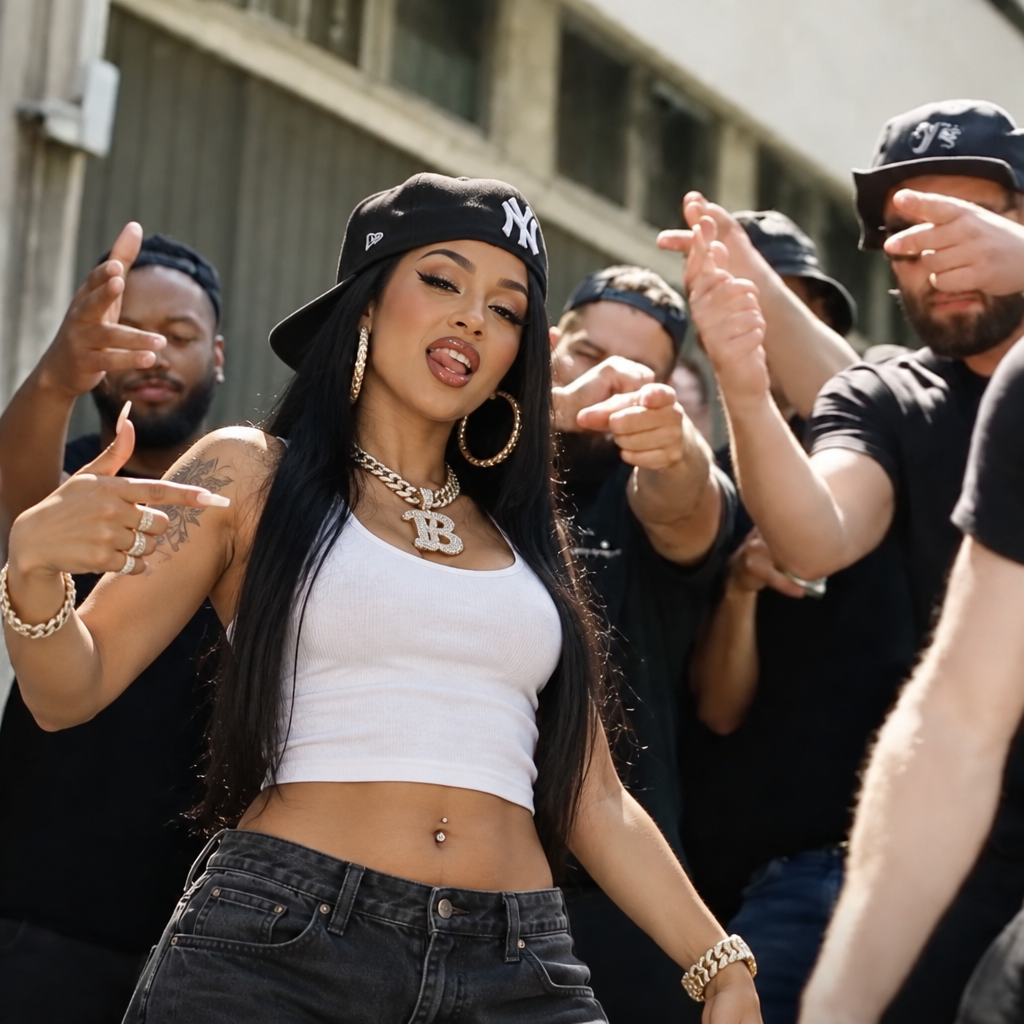
About Kling v2.5 | Turbo | Pro | Image to Video
What is Kling V2.5 Turbo Pro Image-to-Video on eachlabs?
Kling V2.5 Turbo Pro Image-to-Video is a premium, speed-optimized AI model on eachlabs that delivers high-quality image animation at accelerated generation speeds. It combines the Turbo tier's fast inference with Pro-level visual quality, making it ideal for professional applications requiring both fast turnaround and polished video output.