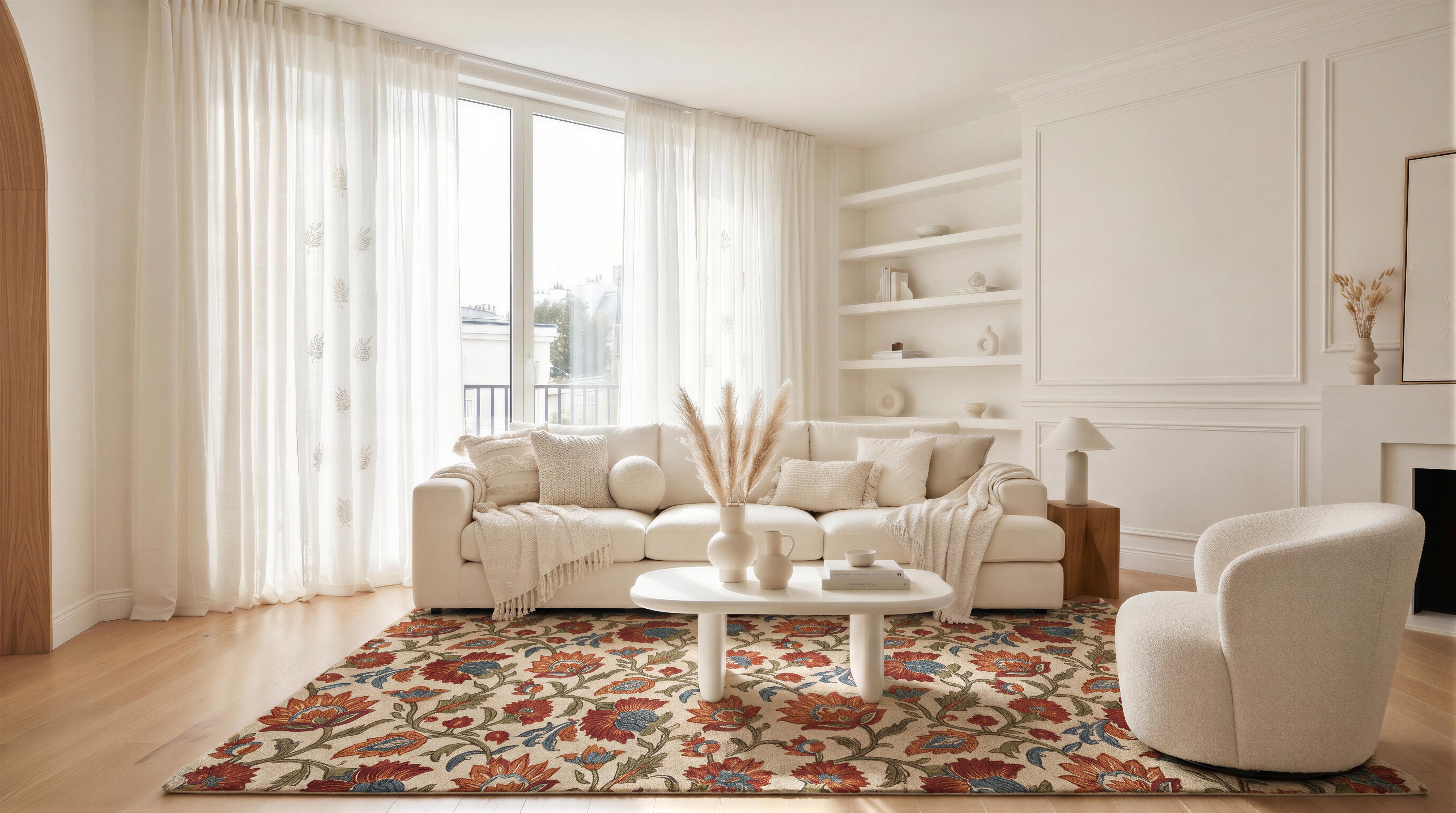
Flint | Image Edit 4K
Flint Image Edit 4K transforms up to ten source images into new visuals from a single prompt, with aspect ratio and output format controls for image editing.
- Runtime (p50)
- 1m
- Estimated price
- $0.20 per execution
Overview
Flint | Image Edit 4K Overview
Flint | Image Edit 4K is a blackbox image-to-image model on each::labs that transforms one to ten source images through a private BlackBox workflow with prompt, format, and aspect ratio controls. It is built for image editing rather than generation from scratch, so it is best suited to controlled creative changes, compositing-style adjustments, and visual refinement. The main differentiator is its support for multi-image input plus explicit output control, which makes Flint | Image Edit 4K useful when you need consistency across a small image set instead of a single isolated edit. The model name appears to be the product name used on the platform; no separate public official name was verified in the available sources.
Capabilities
Capabilities
- Edits images through a private BlackBox workflow.
- Accepts one to ten source images in a single request.
- Uses text prompts to guide visual changes.
- Supports output format control for downstream usage.
- Supports aspect ratio control for composition tuning.
- Targets 4K image output quality.
- Works well for multi-image consistency tasks.
- Fits API-driven automation through the Flint | Image Edit 4K API.
Use cases
Use Cases for Flint | Image Edit 4K
Creators can use Flint | Image Edit 4K to rework personal photos into a consistent visual style. A prompt like
“Edit these three images into a cohesive cinematic portrait set with moody lighting and natural skin detail”
takes advantage of its multi-image support.Marketers can adapt product visuals for campaigns. A prompt like
“Keep the product unchanged, replace the background with a premium studio setup, and match a luxury ecommerce look”
uses its prompt control and format handling.Designers can produce variant crops for different placements. A prompt like
“Create a 4K edit in 16:9 for a hero banner, preserve the subject, and shift the composition left”
makes use of aspect ratio control.Developers building automated image pipelines can route batches through the blackbox image-to-image workflow and standardize outputs across one to ten inputs. A prompt like
“Apply consistent editorial color grading to this 6-image set with matched contrast and balanced highlights”
is a practical example.Tips & tricks
Tips and Tricks
For best results with Flint | Image Edit 4K, keep prompts specific about the edit rather than the scene. State what should change, what should remain, and the intended output style. Use the aspect ratio control early in the workflow if the final placement is known, because composition changes are harder to fix after the fact. When using multiple source images, make sure they share a similar subject, lighting, or framing so the model can preserve continuity. Good prompts often name materials, lighting, and camera view explicitly. Examples:
“Edit this product photo to a premium studio look, keep the bottle shape unchanged, add soft shadow and clean white background.”
“Convert these lifestyle images into a cohesive summer campaign with warmer tones and consistent framing.”
“Retouch this portrait for editorial quality, preserve facial identity, improve skin texture naturally.”
Technical spec
Technical Specifications
- Model type: image-to-image image editing workflow.
- Inputs: one to ten source images plus a text prompt.
- Controls: prompt guidance, output format selection, and aspect ratio selection.
- Output: edited image results; no video duration setting applies to this model.
- Resolution: marketed as 4K, indicating high-resolution output support.
- Processing time: no verified public average was found; runtime may vary with image count and edit complexity.
- API availability: compatible with the Flint | Image Edit 4K API workflow exposed through each::labs.
Things to be aware of
Things to Be Aware Of
Flint | Image Edit 4K depends heavily on prompt clarity. Vague instructions can lead to edits that drift from the original intent, especially when multiple source images are used. Very different source images may be harder to align into one consistent output. Users should also expect stronger results when the subject is well-lit and the edit request is narrow. Large batch jobs can increase turnaround time and make troubleshooting harder, so it is often better to test with one image before scaling to ten. Output quality may vary if the input image is heavily compressed or already contains visual artifacts.
Key considerations
Key Considerations
Flint | Image Edit 4K is most useful when you already have source visuals and need targeted edits with strong output control. It is a better fit than text-only image generation when preserving the structure of the original image matters. Because it accepts up to ten images, it is also useful for series-based edits where visual consistency is important. Users should prepare clean inputs and clear instructions, since multi-image workflows can amplify ambiguity. For teams balancing speed and fidelity, the model is a strong choice for high-resolution image editing, but it may cost more compute than lighter single-image tools when used at scale.
Limitations
Limitations
Flint | Image Edit 4K is an image-edit model, so it is not designed for video generation or video editing tasks. Verified public documentation on exact latency, native input file restrictions, and advanced architecture details was limited in the available research. Results may also be less reliable when users ask for major subject reconstruction, complex scene redesign, or inconsistent multi-image inputs. Like other blackbox image-to-image systems, it works best when the source image already matches the target composition closely.
Related models
4 models
About Flint | Image Edit 4K
What is Flint Image Edit 4K?
Flint Image Edit 4K is an image-to-image model that reworks existing visuals from a text prompt. You pass between one and ten source images, describe the edit you want, and the model returns a new high-resolution version in WebP, PNG, or JPEG. Aspect ratio is set per request, so the output framing is yours to choose.