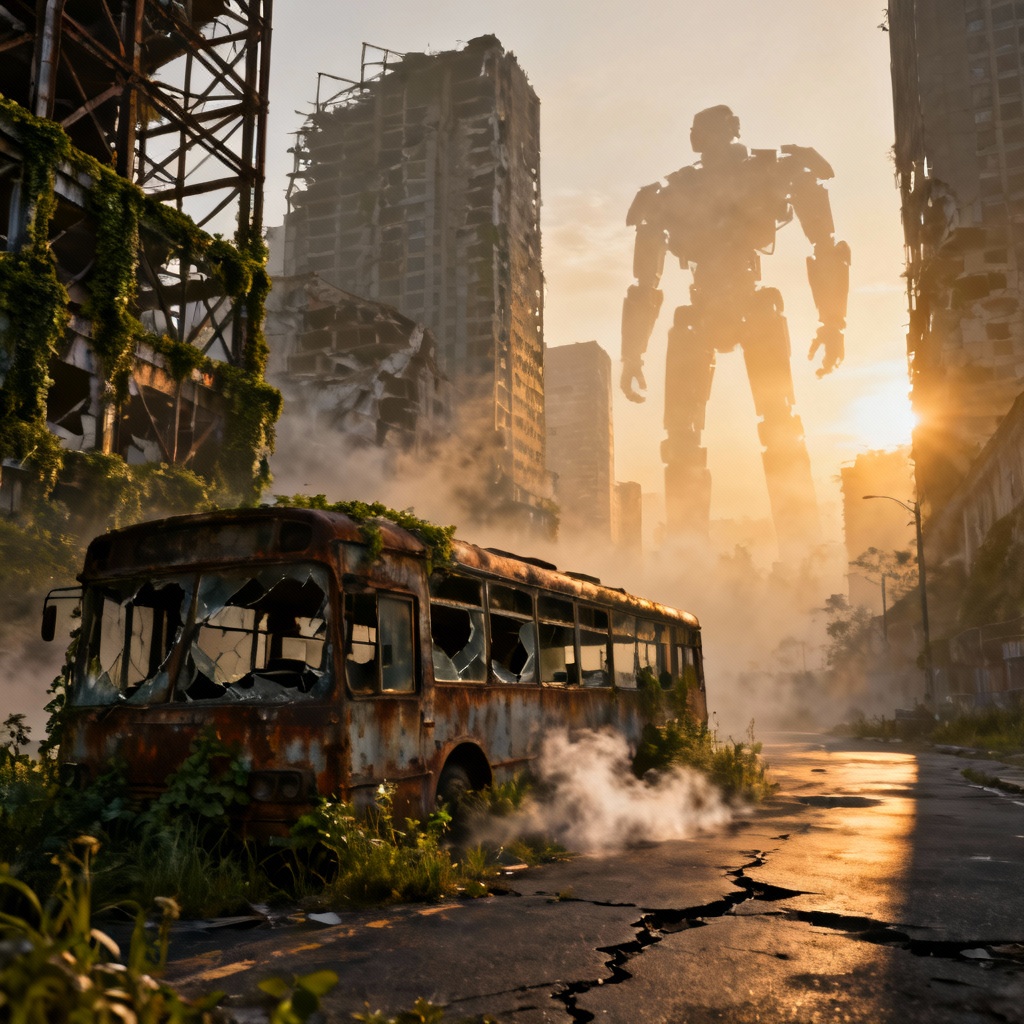
Seedream V4 | Text to Image
Seedream v4 is a text-to-image AI model developed by ByteDance. It generates high-resolution visuals quickly and can consistently recreate the same character or object across different scenes. The model delivers strong results in product photography, landscapes, anime, and advertising visuals.
- Runtime (p50)
- 20s
- Estimated price
- $0.03 per image
Overview
seedream-v4-text-to-image — Text-to-Image AI Model
Developed by ByteDance as part of the seedream-v4 family, seedream-v4-text-to-image is a powerful text-to-image AI model that excels at generating consistent characters and objects across multiple scenes, ideal for commercial workflows like e-commerce and branding. This 12-billion parameter architecture unifies image generation and editing in a single system, enabling seamless creation of high-resolution visuals up to 4K (3840×2160) from text prompts or up to 14 reference images. ByteDance optimized seedream-v4-text-to-image for speed, producing 2K images in just 1.8 seconds, making it a go-to for developers seeking a Bytedance text-to-image solution with multi-image consistency.
Capabilities
- Generates ultra-high-resolution images up to 4K with strong visual fidelity
- Maintains consistent characters, objects, or styles across multiple scenes using multi-reference input
- Excels in product photography, landscapes, anime, advertising visuals, and complex image editing tasks
- Supports both text-to-image and image-to-image workflows, including compound editing and intelligent fusion of visual elements
- Delivers fast inference speeds, enabling near real-time generation for 2K images and rapid 4K output
- Deeply understands natural language prompts, including vague or complex instructions
- Produces outputs suitable for commercial use, with accurate text rendering and minimal visual artifacts
Use cases
Use Cases for seedream-v4-text-to-image
E-commerce developers integrate seedream-v4-text-to-image API to generate consistent product visuals, feeding up to 14 references like a shoe photo, fabric swatch, and studio lighting guide for "place this sneaker on urban street pavement at dusk with dynamic shadows." This produces 9 matching angles in 4K, enabling virtual try-ons without photoshoots.
Marketers crafting advertising visuals use its multi-image consistency for character-driven campaigns, inputting a base portrait and scene prompts to output series with identical facial features and outfits across landscapes or product placements, ideal for AI image generator for product photography.
Designers specialize in posters and infographics with non-destructive edits, starting from text like "modern infographic on AI trends in blue tones" and refining via "add gold accents to headers and rearrange charts." The model's typography and layout awareness delivers professional compositions for branding.
Anime creators leverage reference-heavy prompts for consistent worlds, combining character designs with environment refs to batch-generate scenes, supporting rapid iteration in narrative series via the text-to-image AI model Playground.
Tips & tricks
How to Use seedream-v4-text-to-image on Eachlabs
Access seedream-v4-text-to-image seamlessly on Eachlabs via the Playground for instant testing with text prompts, up to 14 reference images, and resolution settings from 2K to 4K; integrate through the API or SDK for production apps, specifying parameters like aspect ratios and batch counts for outputs in PNG format with high consistency and speed.
---Technical spec
What Sets seedream-v4-text-to-image Apart
seedream-v4-text-to-image stands out in the text-to-image AI model landscape with its unified generation and editing architecture, supporting up to 14 reference images for complex compositions that maintain precise identity and style consistency across outputs. This enables creators to mix product shots, backgrounds, and style guides into coherent scenes without fragmented tools, perfect for AI image generator for marketing visuals.
The model generates up to 9 simultaneous matching images at 4K resolution (3840×2160), with 2K outputs in 1.8 seconds, prioritizing commercial scalability over single-image perfection. Users benefit from batch production for product photography series or ad campaigns, where consistency in lighting, proportions, and details reduces post-processing needs.
Non-destructive natural language editing allows targeted changes like "swap the background to a sunset beach" while preserving core elements, leveraging its multimodal transformer for structural understanding in posters and infographics. This supports iterative design for branding teams using text-to-image AI model APIs, streamlining workflows from TikTok-inspired content creation.
- Up to 14 reference images for superior multi-element integration, doubling competitors in complex edits.
- 9-image batch output with character consistency for scalable asset creation.
- 2K in 1.8s, scaling to 4K for print-ready Bytedance text-to-image results.
Things to be aware of
- Experimental features like multi-image fusion and advanced editing are powerful but may require prompt tuning for optimal results
- Some users report that the model’s speed at 4K resolution is highly dependent on hardware resources
- Community feedback highlights strong subject consistency, especially in batch and reference-based workflows
- Occasional quirks include over-smoothing in highly detailed scenes or minor artifacts in complex compositions
- Positive user reviews emphasize the realism and commercial-readiness of outputs, with many noting the difficulty in distinguishing Seedream images from real photos
- Negative feedback is rare but includes occasional prompt misinterpretation or less control over hyper-specific artistic styles compared to some niche models
- Resource requirements for high-speed, high-resolution generation may be significant, especially for batch processing at 4K
Key considerations
- Seedream v4 is optimized for both speed and quality, but 4K generation may require more computational resources
- Multi-image input and reference workflows are ideal for maintaining character or object consistency across scenes
- Best results are achieved with clear, descriptive prompts; the model is capable of interpreting vague instructions but benefits from specificity
- Batch processing is supported, enabling efficient generation of multiple images at once
- Prompt engineering can significantly influence output quality—iterative refinement is recommended for complex scenes
- The model’s advanced intent understanding allows for nuanced edits, insertions, and deletions directly from natural language prompts
- For commercial use, Seedream v4 addresses common issues like font rendering and visual redundancy, ensuring outputs are print-ready
Limitations
- The underlying architecture and parameter count are not publicly disclosed, limiting transparency for some technical users
- May not be optimal for highly specialized artistic styles or extreme photorealism beyond standard commercial and creative needs
- 4K generation and advanced multi-image workflows require substantial computational resources, which may limit accessibility for some users
Related models
4 models


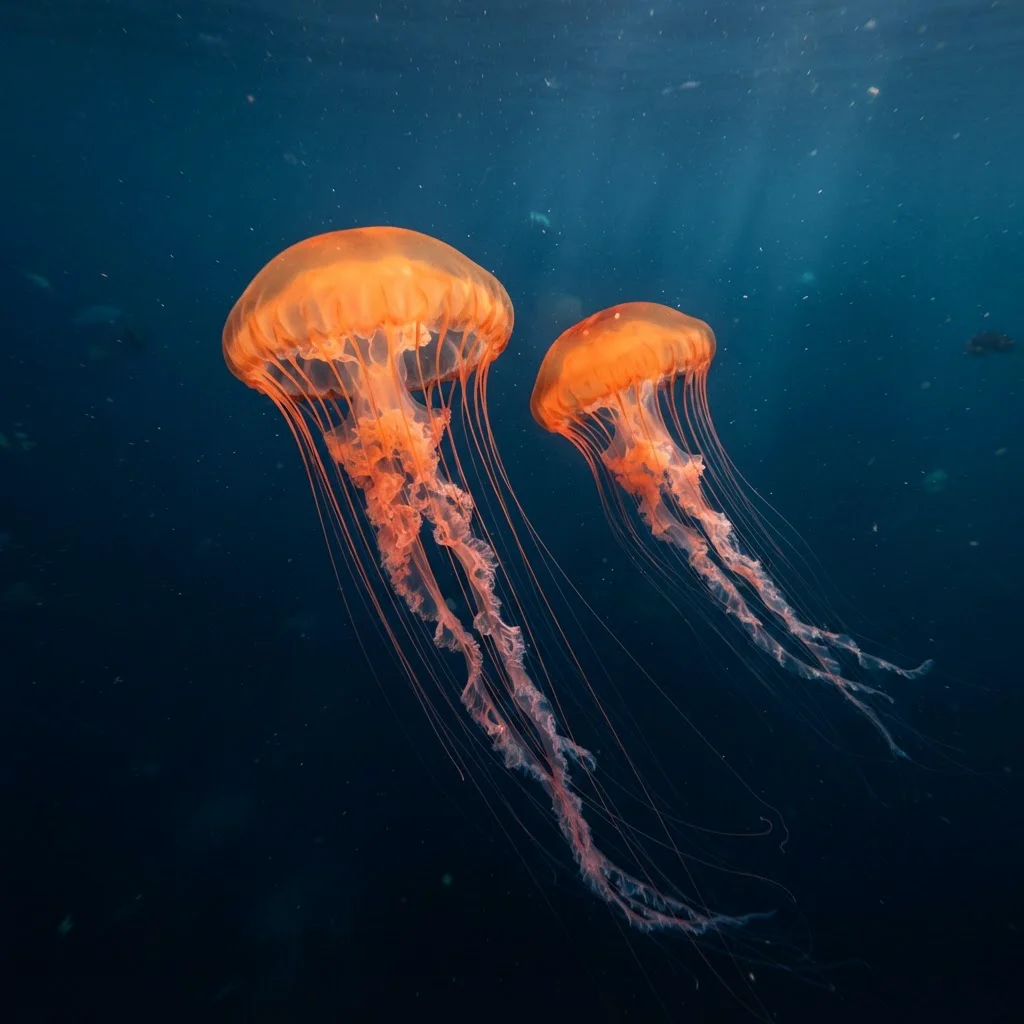
About Seedream V4 | Text to Image
What is SeedDream v4 text-to-image and what improvements does it bring over v3?
SeedDream v4 is ByteDance's fourth-generation text-to-image model that generates high-quality images from natural language prompts. Version 4 builds on SeedDream v3 with enhanced visual realism, stronger prompt adherence, improved rendering of human faces and fine textures, and better compositional accuracy across diverse subject types and visual styles.