Alibaba | Wan 2.7 | Pro | Image Edit
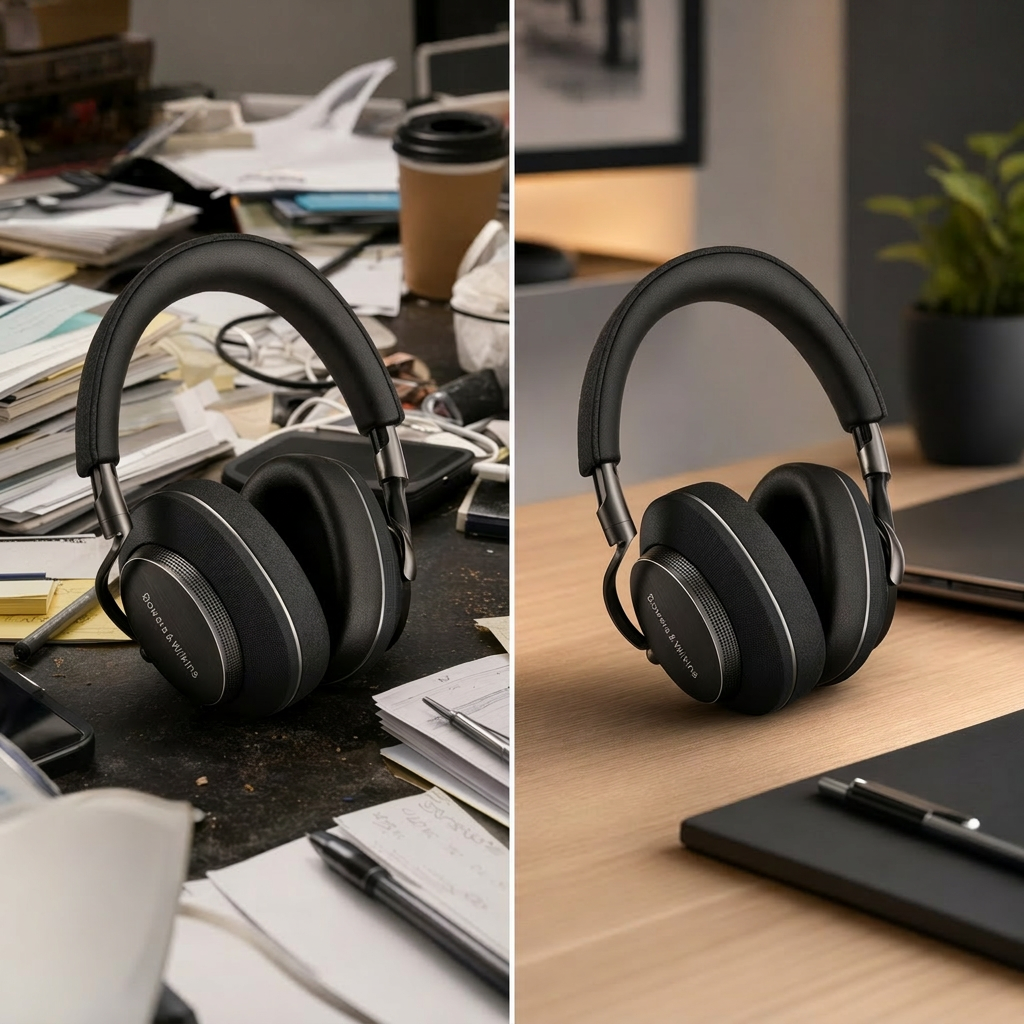
Alibaba Wan 2.7 Pro Image Edit is the professional-tier image editing model in the Wan 2.7 family, offering the highest level of edit quality, detail preservation, and semantic accuracy for instruction-guided image modification. It handles complex, multi-element edits with greater precision than the standard Wan 2.7 Image Edit variant. Best suited for high-fidelity commercial retouching, brand asset modification, and production environments where editing accuracy and output quality are critical.
- Runtime (p50)
- 25s
- Estimated price
- $0.075 per image
Overview
Alibaba | Wan 2.7 | Pro | Image Edit revolutionizes image-to-image workflows by enabling precise, professional-grade transformations through natural-language instructions on input images. Developed by Alibaba's Tongyi Lab as part of the advanced Wan 2.7 family, this Pro variant stands out with enhanced 4K support and superior reasoning for complex edits like style transfer, element swapping, and multi-image fusion. Unlike standard models, it processes up to 9 reference images in a structured grid, delivering consistent, high-fidelity outputs ideal for creators seeking cinematic quality without local hardware. Available via APIs on platforms like each::labs, Alibaba | Wan 2.7 | Pro | Image Edit empowers designers and developers to edit images with endpoint precision, maintaining subject consistency down to bone structure levels while integrating seamlessly into production pipelines.
Capabilities
- Precise image editing with natural-language instructions, including element swapping and restyling across up to 9 reference images.
- Style transfer and multi-image fusion using structured 3×3 grids for consistent outputs.
- Subject consistency down to bone structure level, supporting facial customization like skin tone and beard adjustments.
- High-resolution generation up to 4K in Pro mode, with flexible aspect ratios and print-grade quality.
- Advanced reasoning via thinking_mode for improved text-to-image and edit adherence.
- Coherent image set generation for up to 12 outputs in batch mode.
- Multi-language prompt support across 12 languages, handling up to 5,000 characters.
- Reproducible results with seed control and custom dimension outputs.
Use cases
For Designers: Create custom character sheets by fusing 9 reference poses into a consistent 3×3 grid: "Generate a full-body sprite sheet from these 9 poses, unify lighting and bone structure." This leverages multi-image fusion for game asset production.
For Marketers: Restyle product photos for campaigns: "Swap the model's outfit to summer casual from reference image 2, keep product placement identical." Ensures brand consistency across visuals using precise element swapping.
For Developers: Integrate via Alibaba | Wan 2.7 | Pro | Image Edit API on each::labs for dynamic app edits: "Edit user-uploaded portrait to cyberpunk style, enhance facial details." Batch outputs speed prototyping.
For Creators: Advanced facial customization: "Transform this face to chubby infant with top lighting match, using bone-level accuracy." Ideal for concept art with maintained realism.
Tips & tricks
Maximize Alibaba | Wan 2.7 | Pro | Image Edit by using detailed, contextual prompts that specify spatial changes, such as "replace the background with a sunset cityscape while keeping the subject's facial structure intact." Enable thinking_mode for complex text-to-image tasks and image_set_mode for coherent series. For multi-image fusion, arrange up to 9 references in a 3×3 grid to guide style transfer precisely, reducing hallucinations. Optimize parameters by setting custom sizes like "2048*2048" and fixed seeds for iterative refinements. Workflow tip: Start with a base image, then layer edits via sequential API calls on each::labs.
Example prompts:
- "Edit the central figure to have dark brown skin and a full beard, matching the lighting of the reference scene."
- "Fuse elements from images 1-3: swap the outfit from image 2 onto subject in image 1, add accessories from image 3."
- "Restyle this portrait in cyberpunk aesthetic, enhance bone structure details for realism."
These leverage the model's strength in precise instruction-based editing.
Technical spec
- Resolution Support: Up to 4K cinematic fidelity in Pro mode; standard variant handles 2K (2048×2048), with flexible aspect ratios like 1920×1080.
- Input Formats: Up to 9 reference images for editing, style transfer, or fusion; supports text prompts up to 5,000 characters.
- Output Formats: High-quality PNG/JPG images; num_outputs from 1-4 (or 1-12 in image set mode); print-grade rendering.
- Aspect Ratios: Custom dimensions such as 1K (~1024×1024) or 2K (~2048×2048).
- Processing Time: Cloud-based for efficiency; leverages Diffusion Transformer architecture with T5 encoder and MoE routing for fast renders.
- Additional Features: Thinking mode for enhanced reasoning (text-to-image); seed for reproducibility; multi-language support up to 12 languages.
Things to be aware of
Alibaba | Wan 2.7 | Pro | Image Edit may struggle with highly abstract prompts lacking spatial details, leading to minor inconsistencies in complex fusions. Common mistakes include overloading prompts beyond 5,000 characters or ignoring grid structure for multi-images, which reduces precision. Edge cases like extreme deformations can produce "video game CGI" artifacts on textures; test iteratively with seeds. Resource-wise, high-resolution 4K batches demand stable cloud connections, and the model's steeper curve suits experienced users over beginners.
Key considerations
Before using Alibaba | Wan 2.7 | Pro | Image Edit, ensure access to a stable API endpoint like each::labs for cloud processing, as it requires no local GPU. Ideal for scenarios demanding multi-reference editing over simple generation, it excels in professional workflows but has a steeper learning curve for prompt crafting compared to basic tools. Cost scales with credits or API calls, offering value for high-volume edits via batch outputs up to 12 images. Prioritize structured inputs like 3×3 grids for optimal consistency, and test with free trials to match performance needs against alternatives focused on speed over precision.
Limitations
Alibaba | Wan 2.7 | Pro | Image Edit lacks native video output in this image-edit variant, focusing solely on static images up to 4K without extending to motion. It cannot handle real-time processing or local deployment yet, relying on cloud APIs. Quality dips in raw physics simulations or unanchored edits, and open weights are pending post-cloud launch. Input capped at 9 images; no direct audio integration here.
Related models
4 models
About Alibaba | Wan 2.7 | Pro | Image Edit
What is Alibaba Wan 2.7 Pro Image Edit?
Alibaba Wan 2.7 Pro Image Edit is the professional-tier image editing model in the Wan 2.7 family. It applies instruction-guided modifications to existing images with the highest level of detail preservation, semantic accuracy, and edit quality within the Wan 2.7 range suited for production-grade commercial image editing workflows.