 inference · 4.9s
Realisitic Vision V3 Inpainting
Realistic Vision V3.0 Inpainting
- Runtime (p50)
- 1m
- Estimated price
- $0.00154 per processing second
Overview
realisitic-vision-v3-inpainting — Image-to-Image AI Model
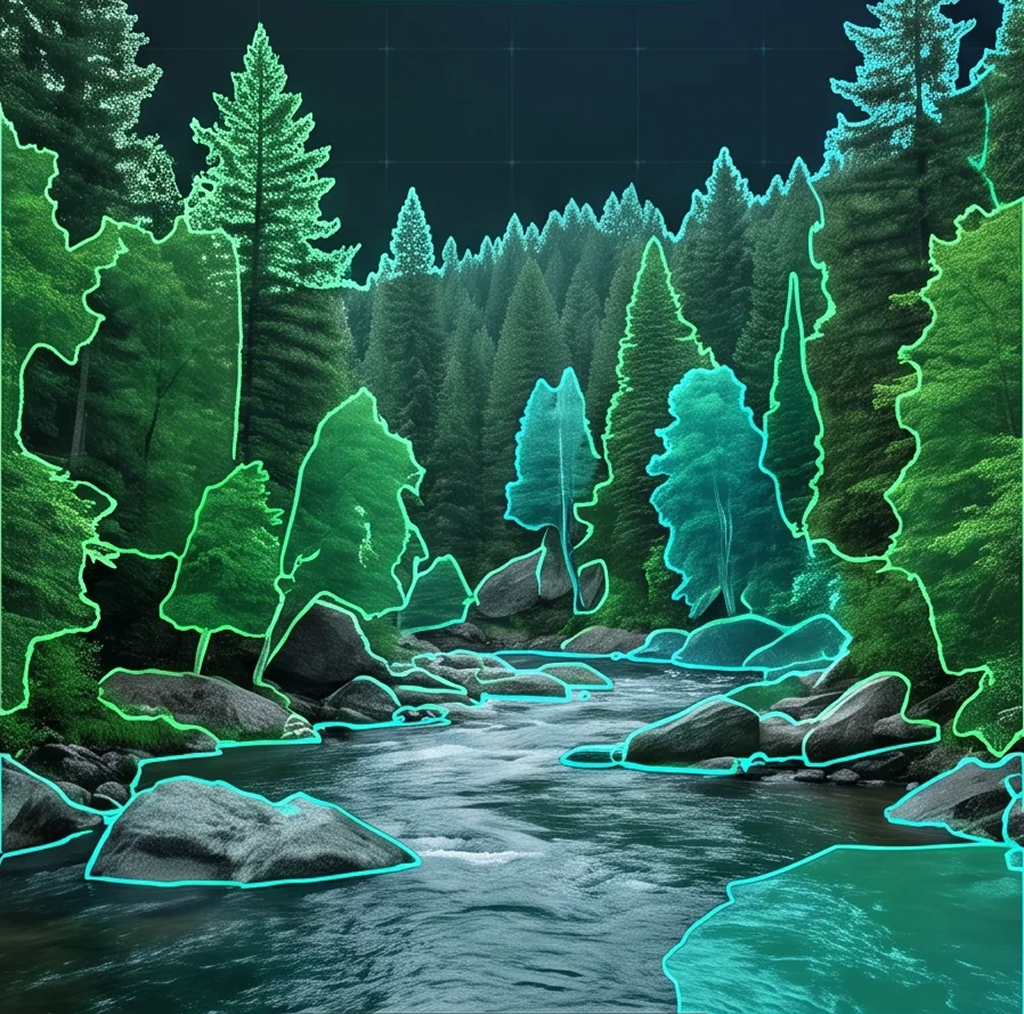
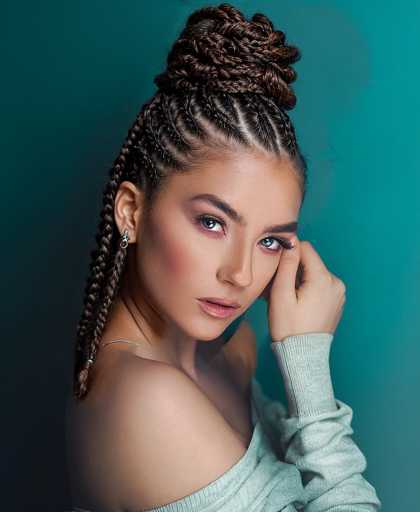
Developed by Stability as part of the realistic-vision family, realisitic-vision-v3-inpainting is an advanced image-to-image AI model specializing in precise inpainting for photorealistic edits, enabling users to seamlessly modify specific areas of images while preserving overall realism and detail. This Stability image-to-image tool excels at targeted alterations like object removal, background replacement, or detail enhancement, solving common challenges in photo editing workflows where traditional tools fall short on natural integration. Ideal for developers seeking a realisitic-vision-v3-inpainting API or creators needing high-fidelity inpainting, it delivers professional-grade results from an input image and text prompt, supporting resolutions up to those of SDXL standards for sharp, detailed outputs.
Capabilities
High-Quality Inpainting: Generates realistic and seamless inpainted regions that integrate well with the original image content.
Prompt-Driven Generation: Utilizes textual prompts to guide the inpainting process, allowing for creative control over the reconstructed areas.
Versatile Application: Applicable to a wide range of image editing tasks, including object removal, restoration of damaged photos, and creative image manipulation.
Use cases
Use Cases for realisitic-vision-v3-inpainting
For e-commerce marketers, realisitic-vision-v3-inpainting transforms product photos by inpainting new backgrounds or accessories, such as masking a watch and prompting for "place on a luxury wooden table with soft sunset lighting," yielding photorealistic composites ready for catalogs without studio reshoots.
Developers building automated image editing API solutions use its mask-based precision to create apps for user-uploaded images, enabling features like blemish removal or clothing swaps while maintaining skin tones and textures for realistic results in portrait retouching.
Graphic designers leverage the model's photorealism for AI photo editing for e-commerce, inpainting elements into scenes—like adding custom text overlays or environmental details—to produce brand-consistent visuals with accurate lighting integration, streamlining mockup creation.
Content creators editing social media assets apply it for quick fixes, such as removing unwanted objects from travel photos via targeted masks, preserving the realistic-vision quality for engaging, professional posts.
Tips & tricks
How to Use realisitic-vision-v3-inpainting on Eachlabs
Access realisitic-vision-v3-inpainting seamlessly through Eachlabs' Playground for instant testing, API for scalable integrations, or SDK for custom apps—simply upload an input image, define a mask for the edit area, add a descriptive prompt, and select resolution settings. It outputs high-resolution PNGs with photorealistic inpainting quality, processing in seconds for efficient workflows.
---Technical spec
What Sets realisitic-vision-v3-inpainting Apart
realisitic-vision-v3-inpainting stands out in the image-to-image AI model landscape through its specialized inpainting capabilities rooted in the realistic-vision family, optimized for photorealistic fidelity that rivals premium models like SDXL while offering open-source flexibility. Unlike general text-to-image generators, it focuses on mask-based editing for precise control over image regions, enabling natural blends without artifacts common in broader editing tools.
- Superior inpainting for object swap and removal: Applies diffusion processes to masked areas with high adherence to surrounding context, producing seamless photorealistic composites. This allows users to edit complex scenes, like swapping products in e-commerce photos, without retraining or heavy prompt engineering.
- Enhanced photorealism in realistic-vision lineage: Leverages Stability's optimized architecture for consistent lighting, tone, and detail preservation across edits. Developers using this for AI image editor API integrations benefit from outputs suitable for professional branding without post-processing.
- Flexible resolution and aspect ratio support: Handles high-resolution inpainting similar to SDXL, with multi-aspect rendering for diverse formats. This enables fast iterations in workflows like edit images with AI, typically processing in seconds on optimized hardware.
These features position realisitic-vision-v3-inpainting as a top choice for targeted image-to-image AI model tasks, with strong community support for custom LoRAs enhancing its versatility.
Things to be aware of
Style Variation: Experiment with different prompts to inpaint regions in various artistic styles, adding a unique touch to your images.
Scenario Alteration: Use the model to change specific aspects of an image, such as altering the background or modifying objects within the scene, to create diverse visual narratives.
Key considerations
Model Accuracy: While the model is proficient at generating realistic inpainted images, the quality of the output heavily depends on the accuracy of the input mask and the clarity of the prompt provided.
Processing Time: The time required for inpainting may vary based on input complexity and parameter settings. Be prepared for longer processing times with higher-resolution images or more intricate prompts.
Limitations
Complex Scene Reconstruction: The model may encounter challenges when reconstructing highly complex or abstract scenes, potentially leading to less accurate inpainting results.
Dependency on Input Quality: The effectiveness of the inpainting is directly influenced by the quality of the input image and mask; low-quality inputs can result in suboptimal outputs.
Output Format: JPG