Reve 2.1 Remix
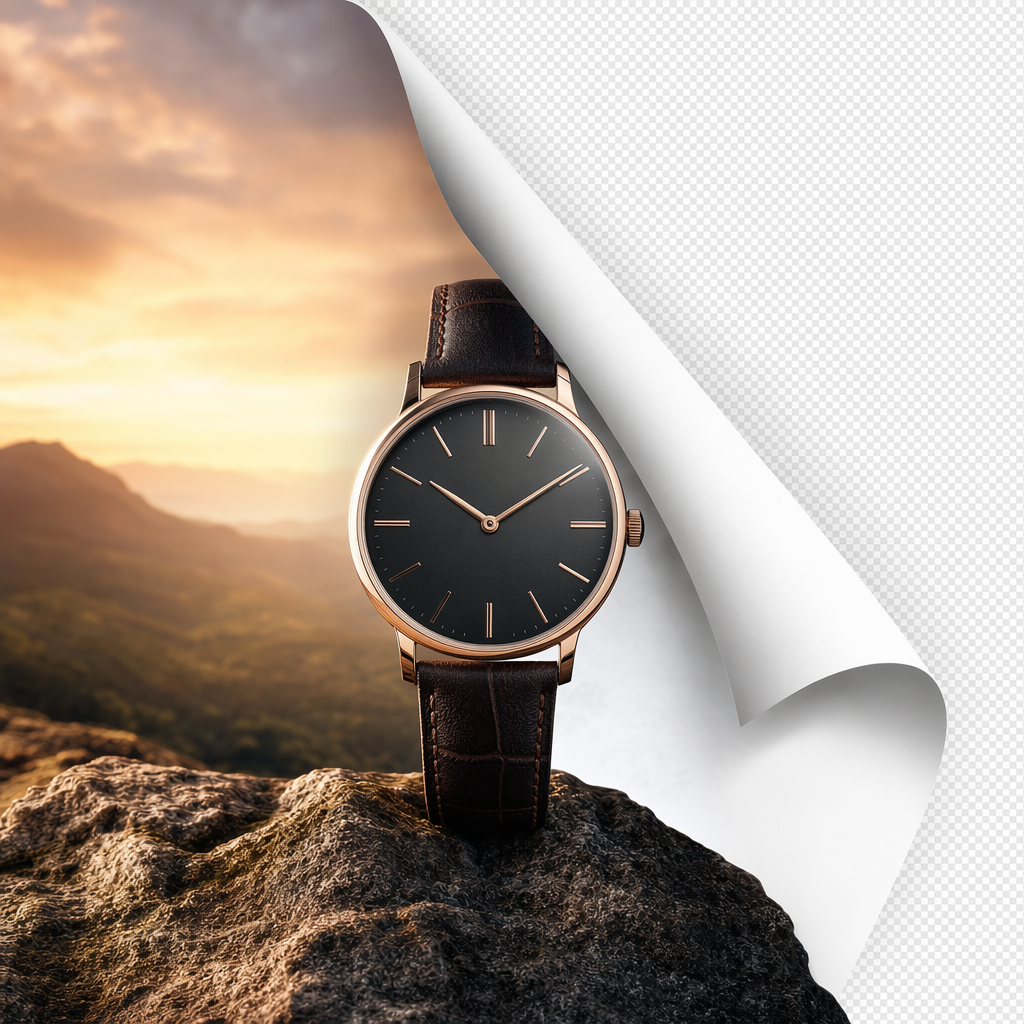
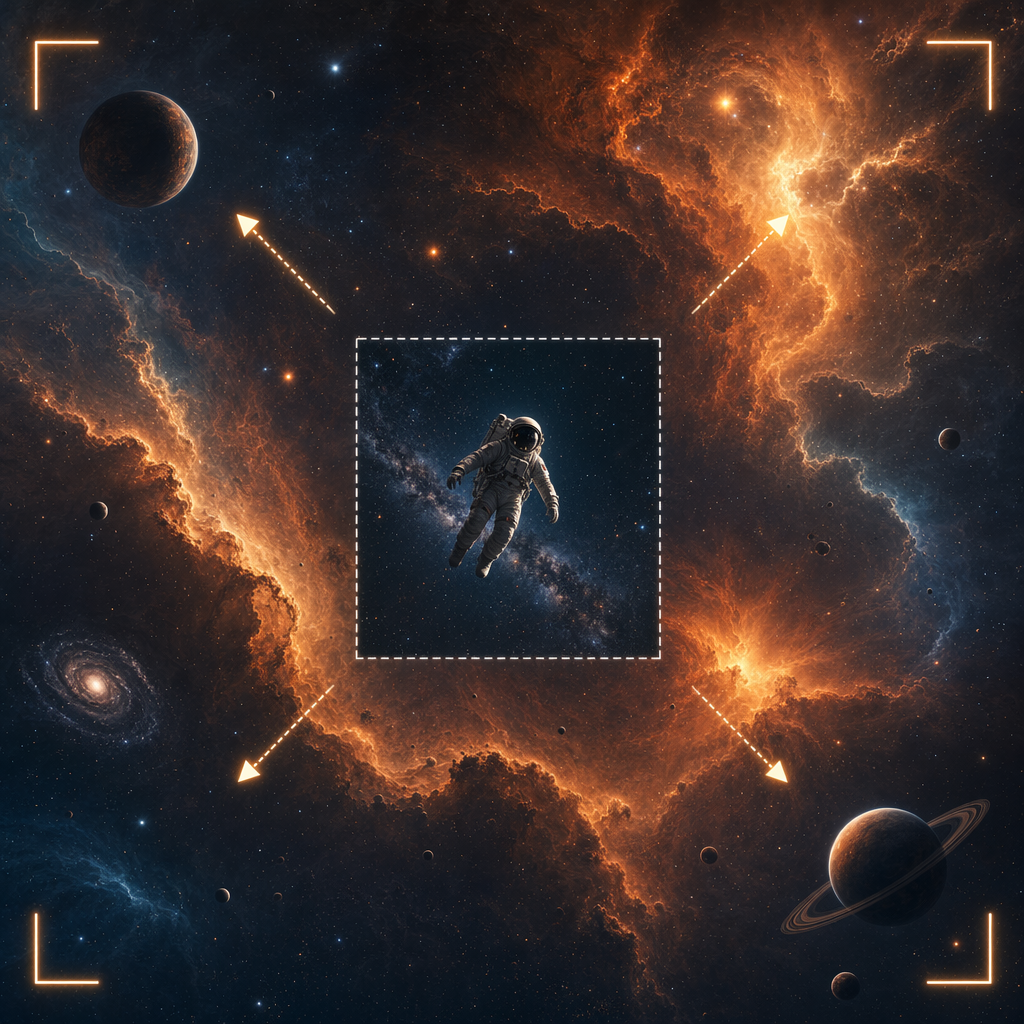
Reve 2.1 Remix transforms reference images with prompt-guided edits, layout-aware composition, text rendering, and configurable aspect ratio.
- Runtime (p50)
- 1m
- Estimated price
- $0.25 / image
Overview
Reve 2.1 Remix Overview
Reve 2.1 Remix is an image-to-image model built on the Reve Image 2.1 architecture, designed to transform reference images using prompt-guided edits while preserving detailed composition and typography. It solves the common problem of making precise, layout-aware changes to existing visuals without losing structure, text, or brand elements. Powered by Reve’s layout-first, native 4K image engine, Reve 2.1 Remix can reason about object placement, relationships, and text regions before rendering pixels, enabling highly controlled edits. On each::labs, this model is ideal for creators and teams who need controllable image variations, clean text rendering, and configurable aspect ratios from a single reference image.
Capabilities
Capabilities
- Prompt-guided image-to-image editing that uses a reference image plus text instructions to generate controlled variations.
- Layout-aware composition, planning objects, regions, and text as structured data before rendering pixels.
- Native 4K output for crisp, print-ready images without separate upscaling steps.
- Accurate text rendering inside images, including dense and multilingual text, with improved foreign-script support.
- Configurable aspect ratios while maintaining coherent layout and alignment of key elements.
- Stronger prompt understanding for complex instructions involving multiple objects and relationships.
- World-knowledge-aware generation that better respects real-world references when remixed.
- Multimodal-aware planning inherited from the Reve Image family’s structured layout representation.
Use cases
Use Cases for Reve 2.1 Remix
For designers, Reve 2.1 Remix can adapt an existing poster or cover to new campaigns while preserving layout-aware composition and text regions, making it ideal for seasonal variations or localized designs. A designer might prompt: “Remix this book cover for a sci-fi edition, keep title placement, change background to futuristic city, adjust color palette to neon blue and purple.”
Marketing teams can use Reve 2.1 Remix to generate consistent 4K ad sets from a base visual, leveraging configurable aspect ratios for social feeds, web banners, and out-of-home assets. For example: “Transform this hero image into square and vertical variants, maintain product position and slogan, adapt background to fit each aspect ratio.”
Creators and content teams can update thumbnails or key art while retaining core branding, relying on the model’s accurate text rendering and strong prompt adherence. A typical prompt: “Remix this video thumbnail, keep channel logo and title text, change character pose and background to match a beach setting.”
Developers integrating the Reve 2.1 Remix API into pipelines can automate image-to-image updates, such as generating localized versions with foreign-language text while preserving layout structure.
Tips & tricks
Tips and Tricks
To get the most out of Reve 2.1 Remix, start by treating your prompt as a set of layout instructions rather than only style descriptors. Mention specific regions, objects, and text blocks you want to change, and let the model’s planning phase reason about their relationships before rendering. For brand work, keep logo placement and key text explicitly described so the model preserves hierarchy while altering colors, backgrounds, or supporting imagery. When using the Reve 2.1 Remix API, tune any “strength” or “edit intensity” parameters to control how closely the output stays to the reference image.
Example prompts:
- “Remix this product photo into a winter theme, keep logo and headline text identical, change background to snowy city street, adjust lighting to cool blue.”
- “Transform this poster into a bilingual version, preserve layout, add Japanese text below the English headline, match typography style while keeping all icons in place.”
- “Update this event flyer for a nighttime version, keep composition and all text boxes, darken background, add neon accents around the title only.”
Technical spec
Technical Specifications
- Model family: Reve Image, version Reve 2.1 Remix (image-to-image) built on the Reve 2.1 4K image model.
- Resolution: Native 4K image generation around 16-megapixel output, suitable for print and large-screen use.
- Aspect ratios: Configurable aspect ratio; Remix supports flexible compositions while maintaining layout awareness.
- Inputs: Reference image plus text prompt; optional control parameters for strength of edit and layout behavior, depending on the Reve 2.1 Remix API route.
- Outputs: High-resolution image files (e.g., PNG/JPEG) generated from the image-to-image pipeline.
- Architecture: Layout-first planning phase (structured, editable composition) followed by 4K rendering stage.
- Processing time: Typical online inference latency is designed for interactive use; exact timing depends on provider infrastructure and image complexity.
Things to be aware of
Things to Be Aware Of
Although Reve 2.1 Remix excels at structured, layout-aware editing, very vague prompts can lead to conservative changes or misaligned expectations, since the planning stage depends on clear instructions. Highly cluttered reference images with many overlapping elements may make precise region targeting more difficult, especially if the prompt does not label key areas. Complex typographic transformations, such as radical font changes across many text blocks, may require iterative runs to get perfect alignment and legibility. Because the model is proprietary and accessed through hosted endpoints, users should monitor API quotas and latency when building real-time or large-batch workflows on each::labs.
Key considerations
Key Considerations
Reve 2.1 Remix works best when the reference image already has a clear visual structure, since the model leverages layout-aware planning to keep key elements aligned and readable. Users should provide concise but specific prompts to guide edits, especially when changing multiple regions, colors, or text at once. Because Reve 2.1 is a proprietary model with hosted access, usage is subject to API limits, pricing, and rate controls set by the provider behind the Reve 2.1 Remix API. This model is ideal when you need native 4K quality, strong multilingual text rendering, and controlled transformations, rather than purely generative exploration from scratch.
Limitations
Limitations
Reve 2.1 Remix is optimized for image-to-image editing and does not generate long-form video or audio content; its scope is still-frame visuals. While foreign-text rendering is significantly improved, extremely stylized scripts or niche typefaces may not match bespoke human-designed typography. The model relies on the quality and clarity of the input image, so very low-resolution or heavily compressed references can reduce output quality even at 4K. As a closed, proprietary system, internal architecture details and fine-grained performance benchmarks are not fully public, and customization beyond the exposed Reve 2.1 Remix API parameters is limited.