Meta Muse Image Edit
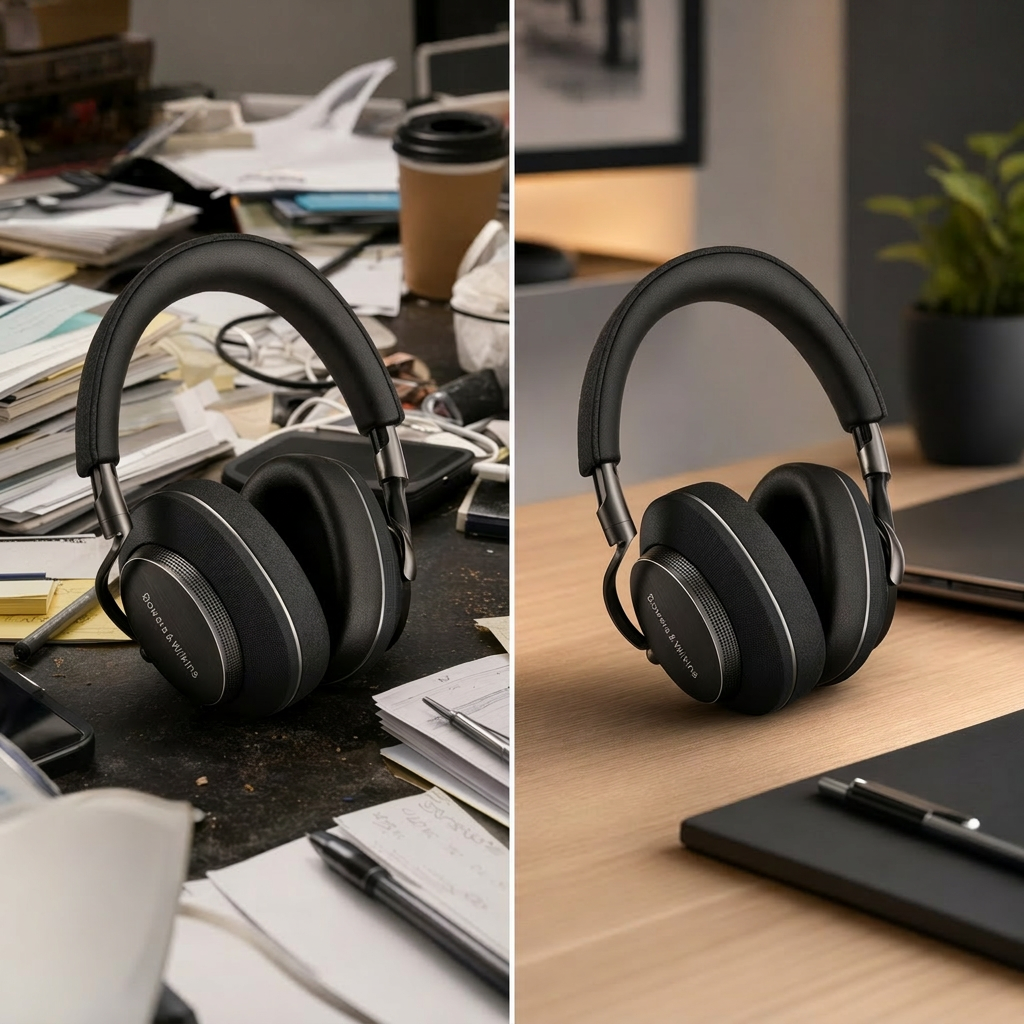
Meta Muse Image Edit transforms reference images with prompt-guided edits, helping creative teams refine style, composition, color, and details.
- Runtime (p50)
- 1m
- Estimated price
- $0.01 per image
Overview
Meta Muse Image Edit Overview
Meta Muse Image Edit is an image-to-imageagentic editing behaviorMeta image-to-image
Capabilities
Capabilities
- Performs targeted image-to-image edits
- Supports region editing
- Blends multiple reference images into a single coherent composition, useful for product layouts, collages, and multi-shot campaigns.
- Maintains subject and style consistency across a series by conditioning on reference photos and brand colors.
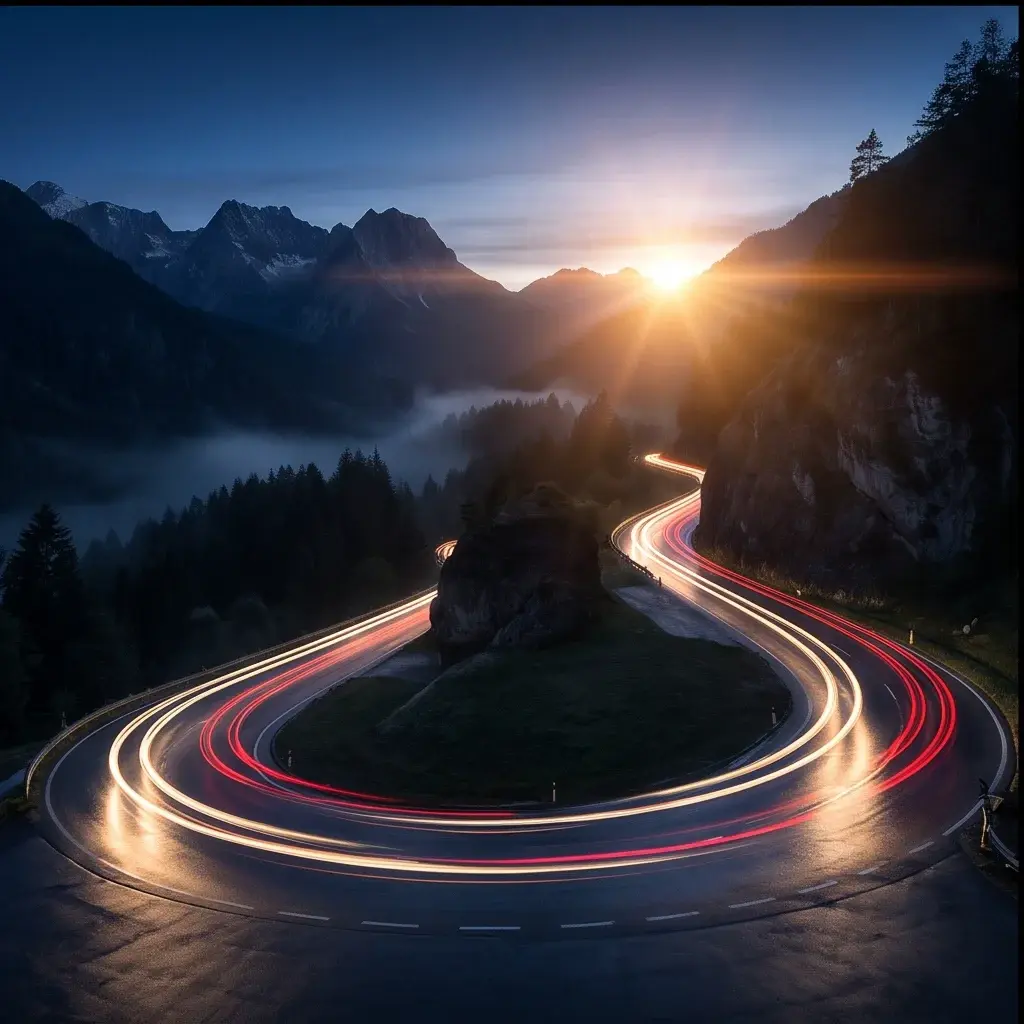
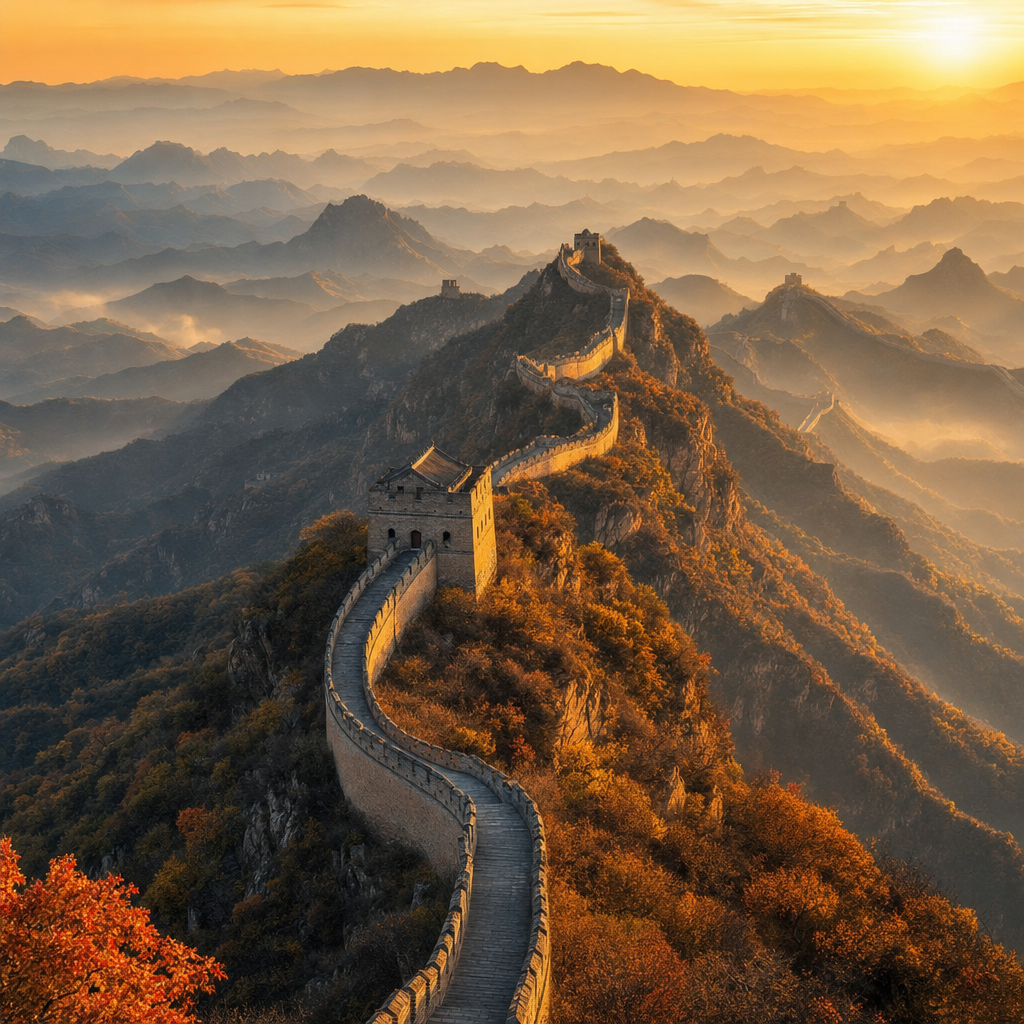
- Applies style transfers, such as turning photos into painterly or cinematic looks while keeping structure and identity intact.
- Restores or cleans up photos, including removing unwanted objects, repairing old images, and smoothing backgrounds.
- Renders readable text inside images
- Supports iterative, conversational editing, where each new instruction refines the previous output without rebuilding the scene from scratch.
Use cases
Use Cases for Meta Muse Image Edit
For creators and influencers
Marketers
Designers
Developers
Tips & tricks
Tips and Tricks
Meta Muse Image Edit responds best to full-sentence, descriptive prompts
- “Replace only the background with a minimalist studio grey, keep the subject’s pose, clothing, and lighting identical. Use a clean 4:5 portrait aspect ratio.”
- “Change just the sky region to overcast with soft diffused light; keep the buildings, perspective, and color palette the same. Make it a wide 16:9 landscape.”
- “Add the headline ‘SUMMER SALE’ in bold condensed sans-serif at the top of the poster, align it center, and leave all existing imagery and layout untouched.”
Technical spec
Technical Specifications
- Task type: image-to-image editing with natural-language instructions, built on the Meta Muse Image model.
- Inputs: one or more reference images plus a text instruction; supports region-based markup (circles, sketches, annotations) to localize edits.
- Outputs: raster images suitable for social formats and product visuals; typical aspect ratios include 1:1, 4:3, 3:2, 16:9, 9:16, and 4:5 when requested in the prompt.
- Resolution: Meta does not publish exact pixel ceilings; community prompt guides treat Muse Image Edit as comfortable at common social and product resolutions, with aspect ratio stated in prose.
- Formats: user-side workflows commonly use standard web image formats (e.g., PNG, JPEG) for both input and output.
- Latency: interactive use inside Meta AI suggests near real-time generation suitable for chat and Stories workflows; exact processing times depend on integration and load.
- API model: Meta does not ship a public Muse Image API; each::labs exposes Muse Image Edit via its own routing and model abstraction layer.
Things to be aware of
Things to Be Aware Of
Although Meta Muse Image Edit is powerful, it operates within Meta’s broader Muse Image access model, which does not include an official public developer API or open weights; model access on each::labs is mediated by platform infrastructure rather than Meta’s own endpoints. Some advanced reference features, such as @-mentioning public Instagram accounts, have been rolled back due to privacy concerns, so workflows relying on live social account references are no longer available. Muse Image Edit can struggle when prompts are underspecified or when multiple conflicting instructions are given in one message; users may see inconsistent results if they do not clearly separate change requests from constraints. Very high-resolution, niche aspect ratio, or long-form batch editing scenarios may require additional validation, as Meta has not published official performance guarantees.
Key considerations
Key Considerations
Meta Muse Image Edit is optimized for conversational photo editing rather than raw maximum resolution or offline batch jobs. It performs best when the prompt clearly states what must change and what must stay identical, especially for portrait and product work. Because Meta does not publish an official developer model card, teams should validate their own quality baselines and fit-for-purpose behavior before production use. Muse Image’s strengths lie in region edits, multi-image composition, and readable in-image text, making it ideal when designers want to iterate on layouts, posters, or mixed-photo composites without losing subject identity. On each::labs, cost and performance will depend on routing and infrastructure; Muse Image Edit is best used where precise edits and brand consistency matter more than raw throughput.
Limitations
Limitations
Meta Muse Image Edit inherits key constraints from Muse Image: there is no official Meta Muse Image Edit APIMeta image-to-image