 inference · 23.0s
Instant ID - Anime Generator
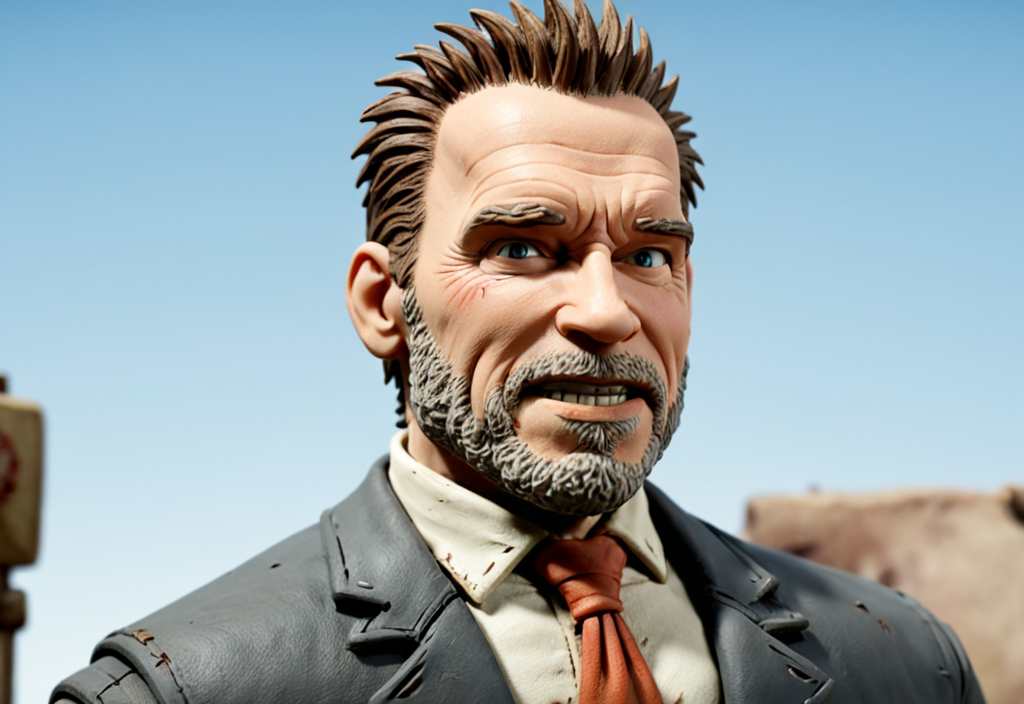
Turn a face into 3D, emoji, pixel art, video game, claymation or toy
- Runtime (p50)
- 12s
- Estimated price
- $0.00108 per processing second
Overview
instant-id-ip-adapter — Image-to-Image AI Model
Developed by Tencent as part of the instant-id family, instant-id-ip-adapter is an advanced image-to-image AI model that transforms a single face image into diverse styles like 3D renders, emojis, pixel art, video game characters, claymation, or toy figures while preserving facial identity. This Tencent image-to-image tool solves the challenge of style transfer without losing key identity features, enabling creators to generate stylized portraits instantly for gaming, animation, or social media. Ideal for developers seeking an instant-id-ip-adapter API or users exploring image-to-image AI models, it leverages IP-Adapter technology for precise control over artistic reinterpretations.
Capabilities
Generates multiple facial variations, including different ages, styles, and expressions.
Supports applications in entertainment, security, and education.
Avatar Creation: Transform photos into anime-inspired avatars.
Creative Experimentation: Generate visually stunning assets for art, gaming, and storytelling.
Use cases
Use Cases for instant-id-ip-adapter
Game developers building retro-style avatars can upload a player's selfie and use instant-id-ip-adapter to generate pixel art characters, ensuring the face remains recognizable amid 8-bit aesthetics for immersive gaming experiences.
Animators and content creators experimenting with claymation or toy-like figures feed a reference portrait with a prompt like "transform this face into a detailed claymation puppet with big expressive eyes, stop-motion style lighting" to produce unique assets for short films or YouTube videos, streamlining prototyping without manual sculpting.
Social media marketers targeting emoji campaigns input brand ambassador photos to create custom 3D emojis or stylized icons, maintaining identity consistency for viral content that stands out in messaging apps.
UI/UX designers integrating AI photo editing for e-commerce avatars use the instant-id-ip-adapter API to convert user-submitted images into video game or toy renders, enhancing product personalization demos with high-fidelity style shifts.
Tips & tricks
How to Use instant-id-ip-adapter on Eachlabs
Access instant-id-ip-adapter through Eachlabs' Playground for instant testing, API for scalable integrations, or SDK for custom apps. Upload a reference face image, add a text prompt specifying the style (e.g., "pixel art video game character"), and adjust parameters like strength or resolution for high-quality image-to-image outputs. Eachlabs delivers fast, identity-consistent results optimized for production workflows.
---Technical spec
What Sets instant-id-ip-adapter Apart
instant-id-ip-adapter stands out in the competitive landscape of image-to-image AI models through its specialized IP-Adapter integration, which excels at maintaining facial identity across extreme style transformations like pixel art or claymation—unlike generic models that often distort features. This capability allows users to input a reference face and output consistent identity in unconventional mediums, such as turning a photo into a retro video game sprite with accurate expressions. It supports high-resolution outputs up to 1024x1024 pixels, with fast processing times under 10 seconds on standard GPUs, making it efficient for batch workflows in Tencent's ecosystem.
- Identity-preserving style transfer: Locks in facial details during conversions to 3D, emoji, or toy styles, enabling reliable results for character design that generic image editors can't match.
- Versatile artistic pipelines: Handles diverse outputs from a single face input, perfect for Tencent image-to-image applications in gaming and animation without retraining.
- Optimized for ComfyUI and SD workflows: Integrates seamlessly with tools like InstantX IP-Adapter, supporting SD3.5 for enhanced quality in professional pipelines.
Things to be aware of
Experiment with different styles 3D,Emoji,Video game,Pixels,Clay,Toy
Use negative prompts to eliminate unwanted features.
Explore external LoRA files via custom_lora_url for specialized avatars.
Adjust control_depth_strength to focus on intricate details.
Key considerations
Input Image Quality:
- Blurry or low-quality images may result in suboptimal outputs.
Ethical Use:
- Avoid using these tools for malicious purposes, such as deepfakes or unauthorized identity generation.
Cultural Sensitivity:
- Ensure outputs are culturally appropriate and unbiased.
Background Uniformity:
- For Instant ID, non-uniform backgrounds may interfere with output quality.
Limitations
Generates realistic outputs but may struggle with extreme angles or poorly lit input images.
Output Variability: Results may vary slightly even with the same seed value due to randomness.
Output Format: PNG