{
  "url": "https://storage.googleapis.com/1019uploads/93ccdddc-a99e-4a83-bb01-bf7586607ce6.glb"
}Hunyuan 3D V2
Transform your images into detailed 3D assets with Hunyuan 3D — an advanced generative model that delivers flexible and high-quality 3D creations.
- Runtime (p50)
- 20s
- Estimated price
- $0.16 per execution
Overview
hunyuan-3d-v2 — Image-to-3D AI Model
Transform single 2D images into high-resolution 3D assets instantly with hunyuan-3d-v2, Tencent's advanced image-to-3D AI model from the Hunyuan3D family. This powerhouse eliminates lengthy manual modeling by generating detailed geometry and textures in a streamlined two-step process, delivering superior detail that outpaces traditional methods. Developers and creators searching for a Tencent image-to-3D solution or image-to-3d AI model rely on hunyuan-3d-v2 for production-ready 3D outputs from everyday photos.
Powered by the Hunyuan3D-DiT shape generator and Hunyuan3D-Paint texture synthesizer, hunyuan-3d-v2 excels in creating geometrically precise and visually aligned 3D models, making it ideal for rapid prototyping in game development and design workflows.
Capabilities
- Generates high-fidelity 3D assets from both images and text prompts
- Delivers detailed geometry and realistic, multi-view PBR textures
- Supports interactive 360° previews and panoramic depth effects for immersive experiences
- Excels at stylized, organic, and decorative asset creation
- Offers rapid generation (8–20 seconds) on modern GPUs
- Provides adaptive output control, including rigging compatibility for animation workflows
- Multilingual prompt support with strong performance in English, Japanese, and French
Use cases
Use Cases for hunyuan-3d-v2
Game developers use hunyuan-3d-v2 to convert concept art into fully textured 3D props; upload a 2D sketch of a futuristic pistol with the prompt "add metallic engravings and glowing energy core," and receive a rigged, UV-mapped asset ready for engine import—streamlining asset pipelines for indie studios racing deadlines.
Product designers building AI image to 3D generator tools for e-commerce feed customer photos of prototypes, generating rotatable 3D views with precise textures via the two-step process. This cuts physical scanning costs, allowing quick iterations on packaging mockups or AR previews.
3D artists in film and VFX leverage its ComfyUI integration for batch-converting reference images into high-res assets, maintaining multi-view consistency for scene integration. Marketers targeting Tencent image-to-3d capabilities create interactive product visuals from stock photos, boosting engagement without hiring modelers.
Researchers experimenting with image-to-3d AI model advancements prototype novel shapes from scientific imagery, like turning microscope slides into explorable 3D molecules for educational apps.
Tips & tricks
How to Use hunyuan-3d-v2 on Eachlabs
Access hunyuan-3d-v2 seamlessly on Eachlabs via the Playground for instant testing—upload a single image and optional text prompt like "high-poly sci-fi helmet with neon accents" to generate 3D assets in seconds. Integrate through the hunyuan-3d-v2 API or SDK for apps, specifying input resolution and output format (e.g., textured mesh in GLB). Expect high-quality, aligned 3D models downloadable for immediate use in your workflow.
---Technical spec
What Sets hunyuan-3d-v2 Apart
hunyuan-3d-v2 stands out in the image-to-3D landscape through its innovative two-stage pipeline: Hunyuan3D-DiT first reconstructs high-fidelity 3D shapes from input images, then Hunyuan3D-Paint applies seamless, image-aligned textures. This enables watertight meshes with intricate surface details that maintain perfect fidelity to the original photo, surpassing single-stage competitors in geometry accuracy and texture coherence.
Unlike generic 3D generators, it produces high-resolution assets optimized for professional pipelines, including ComfyUI integration via dedicated nodes for seamless workflow embedding. Users benefit from export-ready formats like OBJ or GLB, ready for immediate use in Unity or Blender without extensive cleanup.
Key technical specs include support for high-resolution inputs (up to 1024x1024 images), rapid processing under 60 seconds per asset on optimized hardware, and multi-view consistency for rotatable, production-grade 3D models. For those seeking a hunyuan-3d-v2 API or best image-to-3d AI, its Tencent-backed efficiency sets a new benchmark.
- Two-step DiT-Paint architecture: Generates superior geometry and textures, enabling complex objects like vehicles or characters with realistic PBR materials.
- ComfyUI-native nodes: Allows custom node-based pipelines for batch processing, perfect for developers scaling image-to-3d AI model applications.
- High-fidelity alignment: Ensures 3D outputs match input image details pixel-for-pixel, reducing post-processing by up to 80% compared to rivals.
Things to be aware of
- Experimental features like the normal map module may not be fully stable and could yield inconsistent results
- Dense meshes can be challenging for real-time applications; users report the need for manual optimization
- Some users note that mechanical or highly segmented objects are less accurately generated compared to organic forms
- High-end GPU resources are recommended for best performance; slower hardware may result in longer generation times
- Consistency across different prompt languages is generally strong, but subtle prompt changes can affect output quality
- Positive feedback highlights the model’s speed, fidelity, and ease of use for stylized assets
- Common concerns include mesh density, occasional texture misalignment, and the need for post-processing in professional pipelines
Key considerations
- The model excels with stylized, decorative, and organic assets but may struggle with highly mechanical or segmented objects
- Dense mesh outputs may require retopology for professional workflows, especially in game or animation pipelines
- For best results, use clear, descriptive prompts and leverage multilingual support if needed
- Generation speed is hardware-dependent; high-end GPUs (A100, RTX 4090) recommended for optimal performance
- Adaptive Guidance 2.0 allows for more controllable outputs, including automatic rigging for animation compatibility
- Experiment with prompt phrasing and iterative refinement to achieve desired asset characteristics
Limitations
- Mesh outputs can be overly dense, requiring retopology for real-time or animation use
- Struggles with complex mechanical structures and precise component segmentation
- Texture alignment and fine detail may require manual adjustment for production-quality results
Related models
1 model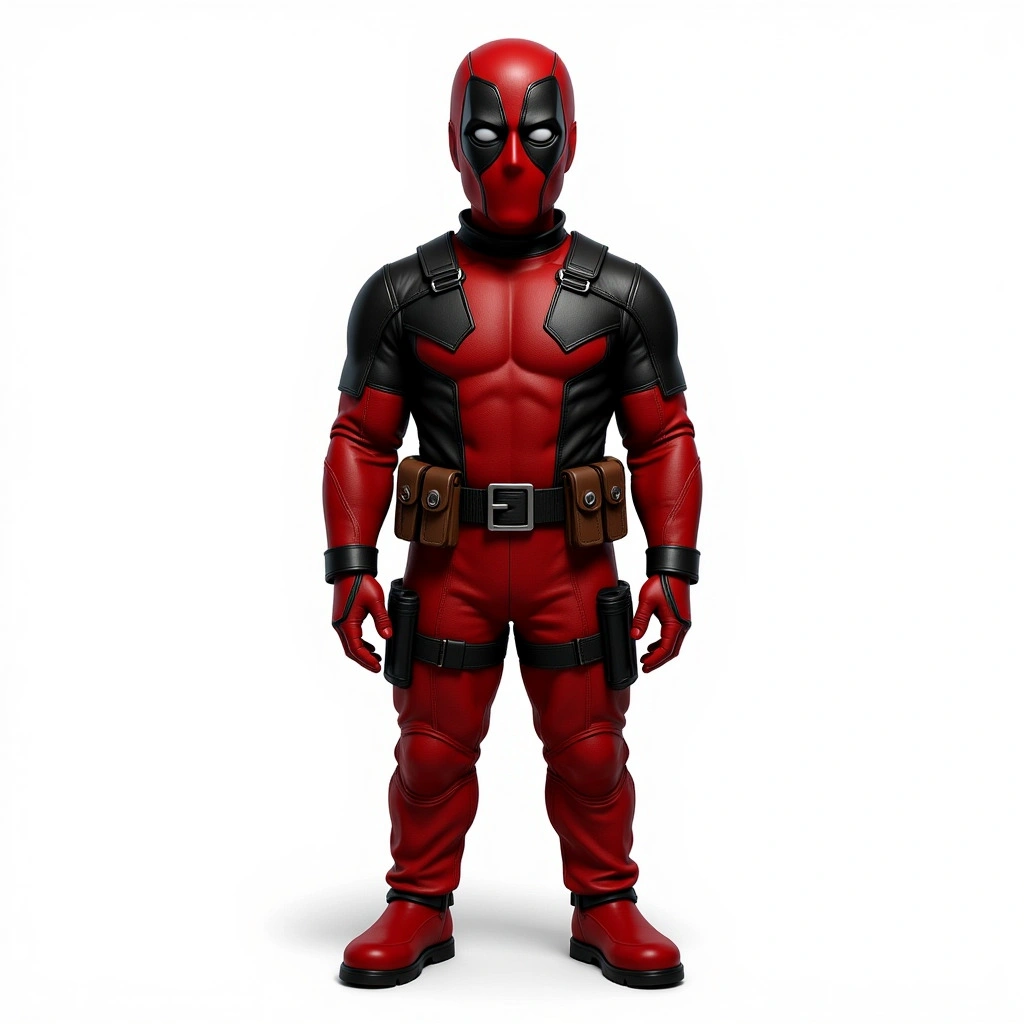
About Hunyuan 3D V2
What is Hunyuan 3D v2?
Hunyuan 3D v2 is an AI image-to-3D model by Tencent that generates textured 3D objects from input images. It produces mesh geometry with UV-mapped textures from single or multi-view image inputs, enabling rapid 3D asset creation for product visualization, gaming, and virtual environment workflows.