Minimax Hailuo V2.3 | Standard | Image to Video
Produce detailed, cinematic motion from still images with precise lighting and texture control. Hailuo-2.3 Standard offers reliable 768p quality for consistent, creative video storytelling.
- Runtime (p50)
- 2m
- Estimated price
- $0.28–$0.56 per execution, depending on duration
Overview
minimax-hailuo-v2.3-standard-image-to-video — Image-to-Video AI Model
Developed by Minimax as part of the hailuo-v2.3 family, minimax-hailuo-v2.3-standard-image-to-video transforms static images into cinematic videos with precise motion, lighting, and texture control, solving the challenge of realistic animation from stills for creators seeking professional storytelling without complex editing.
This image-to-video AI model excels in maintaining anatomical integrity during complex movements and temporal stability in stylized scenes, delivering reliable 768p outputs ideal for consistent creative workflows. Users searching for "Minimax image-to-video" or "best image-to-video AI" discover its balanced speed and quality, supporting durations up to 10 seconds at 768p or 6 seconds at 1080p.
With input images in JPG, JPEG, or PNG formats (aspect ratios between 2:5 and 5:2, min 300px short side, under 20MB), it generates smooth, high-fidelity clips perfect for rapid prototyping in animation or marketing visuals.
Capabilities
- Exceptional physical realism in motion generation, maintaining believable physics and natural movement patterns
- Cinematic-grade video output quality with professional-level rendering of light, texture, and atmospheric effects
- Strong image-to-video conversion capabilities that preserve the artistic integrity of source materials while adding dynamic motion
- Enhanced motion capture technology that delivers smooth, expressive character animations
- Style diversity allowing the model to adapt to different aesthetic requirements from photorealistic to more stylized approaches
- Temporal consistency mechanisms that maintain visual coherence across video frames
- Effective handling of camera movements and cinematographic techniques
- Budget-friendly performance that makes professional-quality video generation accessible to broader user bases
- Reliable prompt adherence ensuring generated videos align with user specifications
- Natural coherent motion that appears fluid and intentional rather than mechanical or artificial
Use cases
Use Cases for minimax-hailuo-v2.3-standard-image-to-video
For content creators producing anime shorts, upload a stylized character image and prompt for fluid motion; its temporal stability ensures glitch-free sequences, perfect for platforms needing quick, consistent stylized clips without manual frame correction.
Marketers and e-commerce teams can animate product photos with geometric precision—feed a watch image with "slow pan across the dial with sparkling reflections under studio lights, 10 seconds"—to create engaging reels that highlight details realistically, boosting conversion without photoshoots.
Developers building apps with "image-to-video AI model" integration use its API for subject-consistent videos; reference a character's face across clips via image inputs, maintaining identity for interactive storytelling in games or personalized ads.
Filmmakers prototyping scenes benefit from micro-expression accuracy; start with a portrait and describe "subtle smile forming as eyes glance left with soft bokeh background," generating emotional 6-second previews at 1080p for storyboarding efficiency.
Tips & tricks
How to Use minimax-hailuo-v2.3-standard-image-to-video on Eachlabs
Access minimax-hailuo-v2.3-standard-image-to-video seamlessly through Eachlabs Playground for instant testing, API for production apps, or SDK for custom integrations. Upload a qualifying image (JPG/PNG, 2:5-5:2 aspect, >300px short side), add a detailed motion prompt, select 768p/10s or 1080p/6s resolution and duration, then generate silent MP4 videos in 2-10 minutes with enhance_prompt for optimized results.
---Technical spec
What Sets minimax-hailuo-v2.3-standard-image-to-video Apart
minimax-hailuo-v2.3-standard-image-to-video stands out in the competitive landscape of image-to-video models through its specialized focus on image-to-video only, offering faster, more affordable generation compared to pro variants while upholding professional motion quality.
It supports precise resolutions like 768p for 6-10 second clips and 1080p for 6-second outputs, with aspect ratios of 16:9, 9:16, or 1:1, and processing times of 2-10 minutes depending on complexity. This enables quick iterations without sacrificing geometric stability, crucial for e-commerce product animations.
- Superior anatomical integrity in complex motion: Handles intricate human movements realistically, preventing distortions common in other models; this allows creators to animate dynamic scenes like dancing or sports from a single photo with lifelike physics.
- Temporal stability for stylized anime and art: Maintains frame-to-frame consistency in non-photorealistic styles; users gain reliable sequences for character-driven animations without flickering artifacts.
- Nuanced facial micro-expressions: Captures subtle emotional performances from reference images; this empowers precise storytelling in short-form videos for social media or ads.
- Strict image specs for optimal first-frame fidelity: Requires landscape-oriented inputs over 300px; ensures videos start exactly from the provided image, ideal for developers integrating "image to video AI model" APIs.
These features make it a top choice for "Minimax image-to-video API" searches, outperforming generics in controllable cinematography.
Things to be aware of
- The model represents an evolving technology with version 2.3 bringing improvements over earlier iterations, indicating ongoing development that may introduce changes
- As part of the competitive AI video generation landscape, the model's positioning emphasizes value and physical realism rather than absolute cutting-edge features
- Credit costs vary between Standard and Pro versions, requiring users to understand their specific needs versus budget constraints
- Generation times and computational requirements, while reasonable, still require planning for time-sensitive projects
- The model's focus on physical realism means highly stylized or fantastical motion patterns may not be its strongest application
- User feedback from the broader AI video generation community indicates strong appreciation for MiniMax's approach to balancing quality with accessibility
- Community discussions highlight the Hailuo series as particularly effective for creators seeking professional results without premium pricing
- Some users note that while the model excels at naturalistic motion, extremely complex multi-character scenes may present consistency challenges
- Positive feedback consistently emphasizes the cinematic quality output and the model's reliability in maintaining temporal consistency
- The global accessibility of MiniMax models has been well-received by international users, though specific regional performance variations may exist
Key considerations
- Physical realism is a core strength of this model, making it particularly suitable for projects requiring naturalistic motion and believable physics simulation
- The Standard version offers a cost-effective entry point while maintaining cinematic-grade output quality, making budget management important for project planning
- Prompt adherence and semantic understanding are critical factors, so clear and detailed input descriptions will yield better results
- Temporal consistency across frames is a priority in the model's design, but complex scenes with multiple moving elements may require careful prompt engineering
- The model's Chinese origins mean it has been trained on diverse datasets that may influence stylistic interpretations
- Image quality and composition of input images significantly impact the final video output quality
- Generation speed and efficiency should be balanced against desired output quality, with the Standard version offering reasonable processing times
- The model works best when source images have clear subjects and well-defined elements to animate
Limitations
- While excelling at physical realism and naturalistic motion, the model may be less optimal for highly abstract or non-realistic animation styles that deviate significantly from physical laws
- Complex scenes involving multiple independent moving elements with intricate interactions may challenge the model's temporal consistency capabilities, requiring simplified compositions or multiple generation passes
- As a Standard version, computational resources and generation times may be longer compared to faster specialized models optimized purely for speed over comprehensive quality
Related models
4 models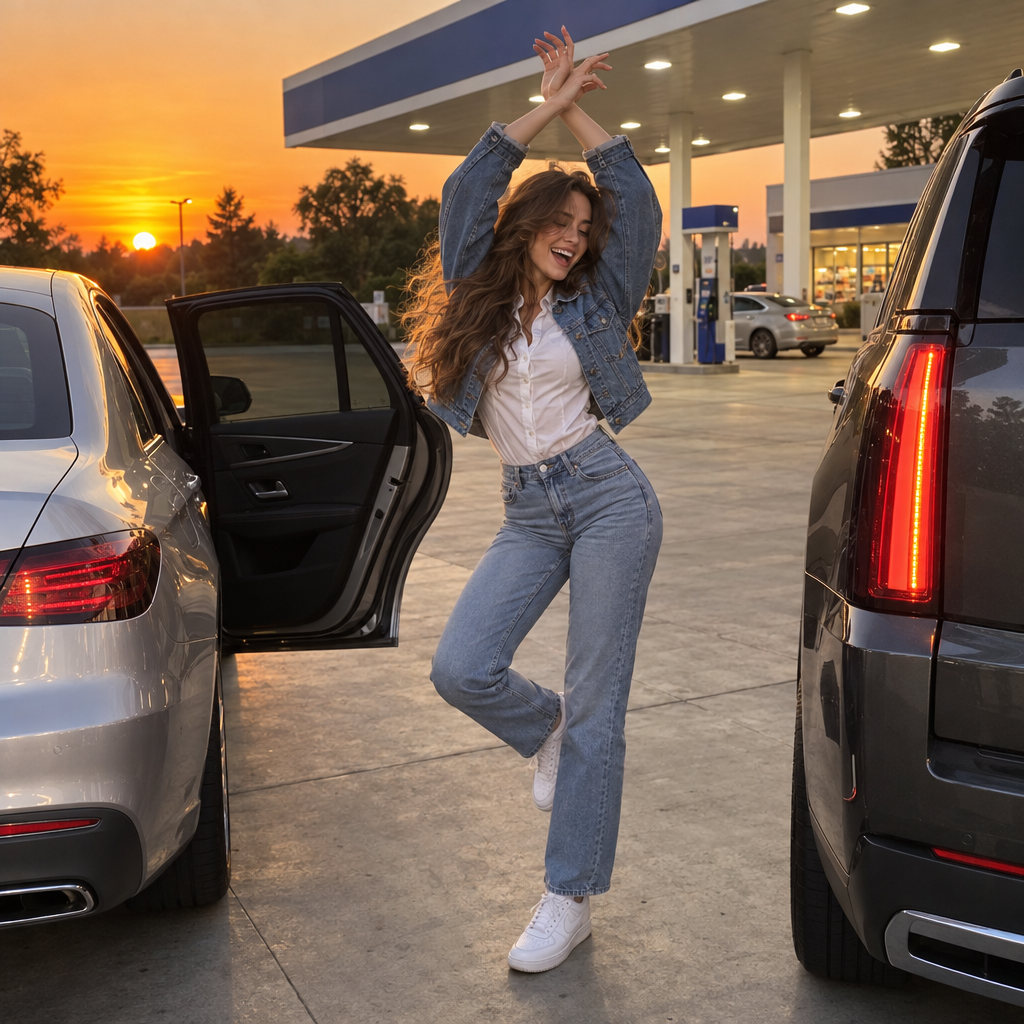

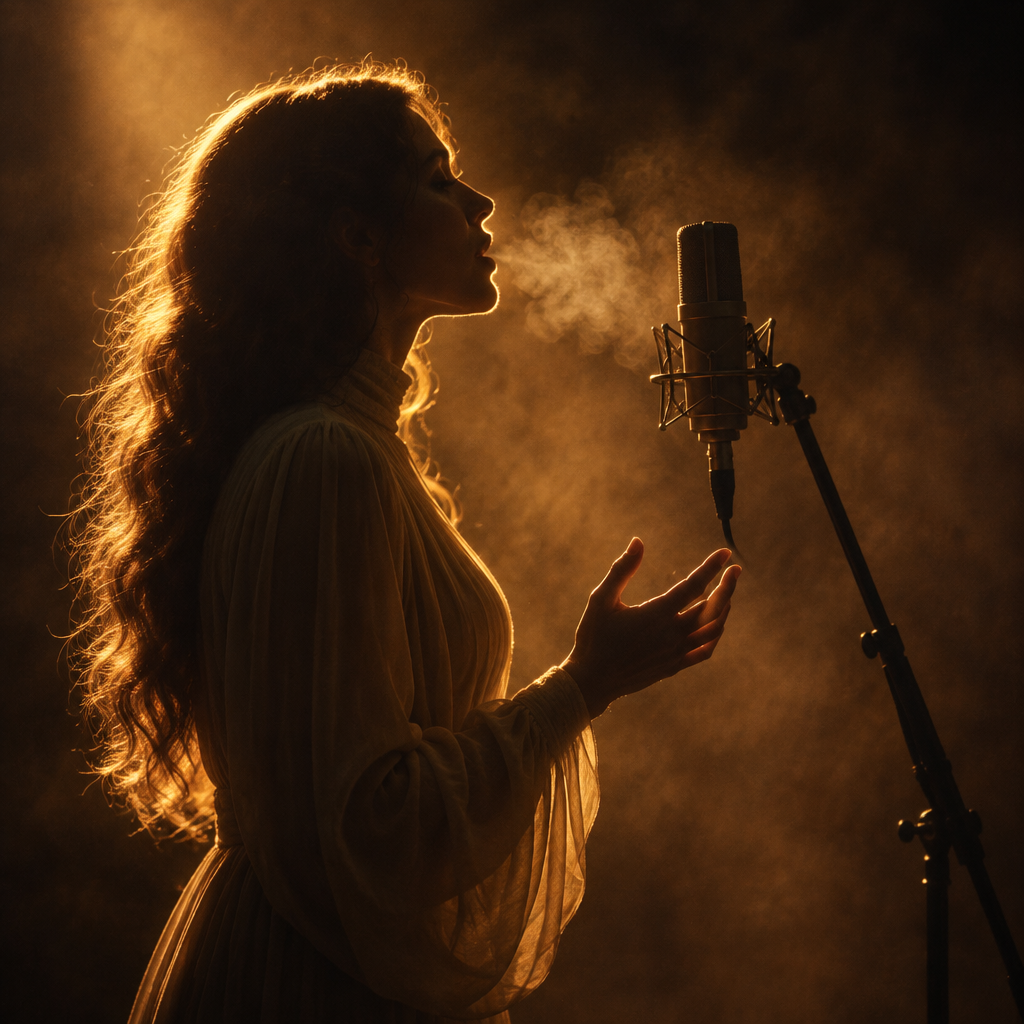

About Minimax Hailuo V2.3 | Standard | Image to Video
What is MiniMax Hailuo v2.3 Standard image-to-video and who is it designed for?
MiniMax Hailuo v2.3 Standard image-to-video is MiniMax's baseline tier for the Hailuo v2.3 model family, generating video clips from input images with solid visual quality at lower cost and faster generation than the Pro tier. It is designed for developers and teams who need reliable image animation at scale without premium pricing.