Kling | o3 | Pro | Text to Video
Kling O3 generates realistic, high-quality videos with smooth motion and strong visual coherence.
- Runtime (p50)
- 2m
- Estimated price
- $0.112–$0.14 per second, depending on audio
Overview
kling-o3-pro-text-to-video — Text to Video AI Model
Transform detailed text prompts into cinematic, high-quality videos with kling-o3-pro-text-to-video, Kling's advanced text-to-video AI model from the O3 family that delivers up to 4K resolution and 15-second clips with native audio sync. Developed as part of the Kling O3 unified multimodal platform, this model excels in generating realistic motion, photorealistic rendering, and temporal consistency, solving the challenge of creating professional-grade video content without complex production setups. Ideal for creators seeking a Kling text-to-video solution with physics-aware dynamics and multi-language support, kling-o3-pro-text-to-video prioritizes detail and stable subject identity in every output.
Use cases
Use Cases for kling-o3-pro-text-to-video
Content creators produce viral shorts by inputting prompts like "A sleek sports car racing through neon-lit city streets at night, engine roar and wind effects, slow-motion drift turn, 1080p," yielding 15-second clips with native audio and fluid physics—perfect for TikTok or YouTube without extra editing.
Marketers crafting product demos upload reference images of items plus text like "Show this smartphone floating in zero gravity with sparkling particles and soft sci-fi hum," generating high-res ads with consistent branding and multi-language voiceovers for global campaigns.
Developers integrating text-to-video AI model APIs build apps for e-learning, using multi-reference for character-consistent explainer videos: reference a teacher's photo and prompt "Explain quantum physics with animated particles orbiting, calm narration in Spanish"—streamlining educational content at scale.
Film enthusiasts experiment with storyboarding, combining text-to-video with multi-shot control for sequences like urban chase scenes, maintaining temporal stability across cuts for pre-visualization that rivals traditional tools.
Tips & tricks
How to Use kling-o3-pro-text-to-video on Eachlabs
Access kling-o3-pro-text-to-video seamlessly on Eachlabs via the Playground for instant testing, API for production apps, or SDK for custom integrations. Input text prompts, up to 10+ reference images, duration (up to 15s), and resolution settings like 4K; receive MP4 outputs with native audio, physics-realistic motion, and strong coherence in minutes. Eachlabs provides the optimal platform for scaling Kling O3's pro text-to-video capabilities.
---Technical spec
What Sets kling-o3-pro-text-to-video Apart
The kling-o3-pro-text-to-video model stands out in the text-to-video AI landscape through its unified multimodal engine, supporting up to 4K (3840×2160) resolution, 15-second native generation at 30fps, and multi-reference processing with 10+ images for unmatched consistency. Unlike fragmented tools, it handles text-to-video alongside image-to-video and editing in one architecture, powered by the MVL framework for pixel-level semantic reconstruction.
- Native audio-visual co-generation: Produces synchronized dialogue, sound effects, and ambient audio in multiple languages like English, Chinese, and Spanish with precise lip-sync. This enables complete video clips ready for social media or ads without post-production audio work.
- Multi-reference processing (up to 10+ images): Incorporates multiple reference images for character, style, and scene consistency across frames. Users gain control over complex multi-subject scenes, preserving identity in dynamic narratives that other models distort.
- Intelligent text-based editing: Edit videos with natural language prompts like "change daytime to dusk" without masking. This streamlines workflows for kling-o3-pro-text-to-video API developers iterating on cinematic outputs with physics-realistic motion.
Processing delivers HD results in minutes, with aspect ratios flexible for widescreen cinema or vertical formats, setting it above standard text-to-video generators in realism and versatility.
Related models
4 models

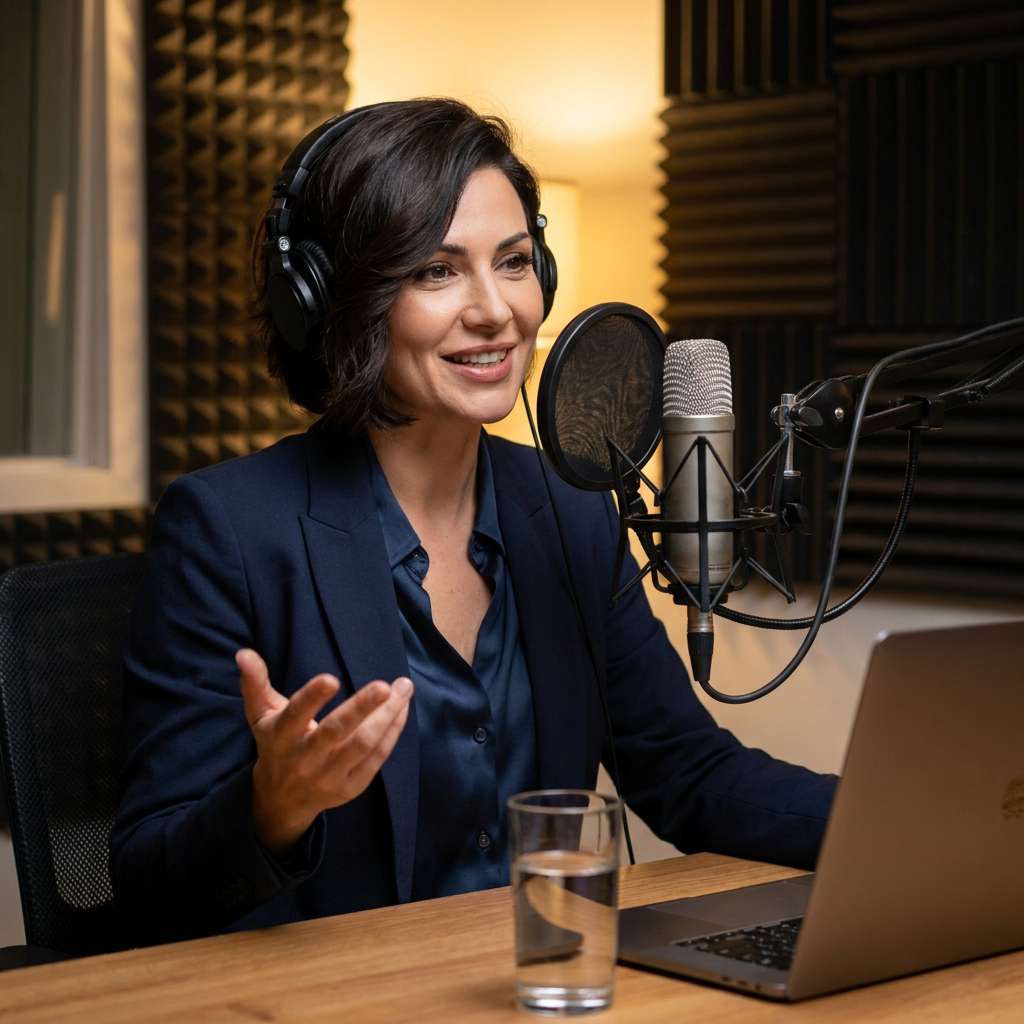

About Kling | o3 | Pro | Text to Video
What is Kling O3 Pro Text-to-Video on eachlabs?
Kling O3 Pro Text-to-Video is eachlabs' highest-quality text-to-video generation model from the O3 series. It produces premium video clips with exceptional visual fidelity, realistic physics, and sophisticated scene composition from text prompts. Available via eachlabs' API, it is designed for professional-grade video production and advanced creative applications.