Text-to-Image AI Use Cases Across Creative Industries
Text-to-image AI has rapidly evolved from an experimental technology into a practical creative tool used across industries. What once required teams of designers, illustrators, and long production timelines can now begin with a single prompt. By converting written descriptions into visual outputs, text-to-image AI enables creators to explore ideas faster, iterate more freely, and expand creative possibilities beyond traditional constraints. Rather than replacing human creativity, text-to-image
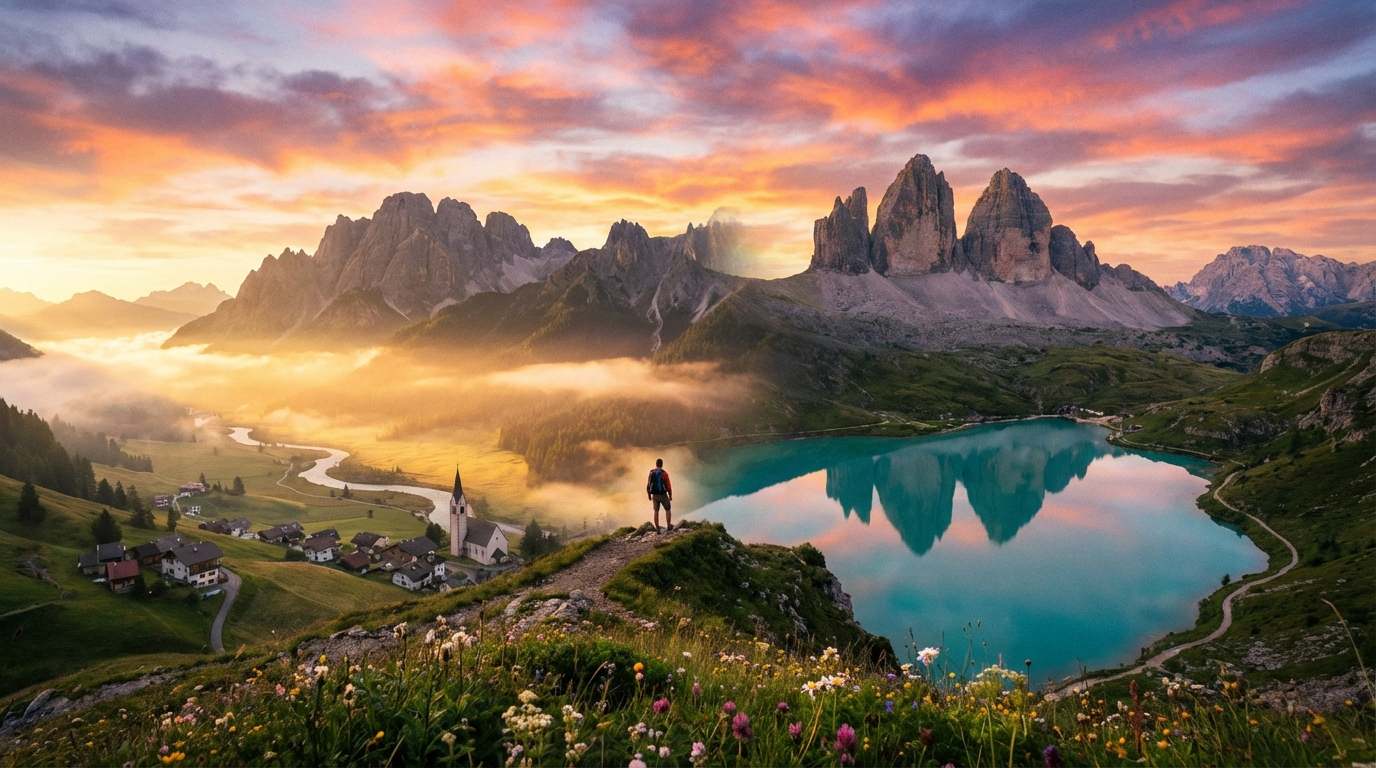
Text-to-image AI has rapidly evolved from an experimental technology into a practical creative tool used across industries. What once required teams of designers, illustrators, and long production timelines can now begin with a single prompt. By converting written descriptions into visual outputs, text-to-image AI enables creators to explore ideas faster, iterate more freely, and expand creative possibilities beyond traditional constraints.
Rather than replacing human creativity, text-to-image AI acts as a creative accelerator. It supports ideation, visualization, and concept development at stages where speed and flexibility matter most. Today, industries ranging from marketing and fashion to architecture and entertainment are integrating text-to-image AI into their workflows.
This article explores the most impactful use cases of text-to-image AI across creative industries, highlighting how professionals are using it to enhance—not replace—their creative processes.
Marketing and Advertising
One of the most widespread uses of text-to-image AI is in marketing and advertising. Visual content is essential for campaigns, but producing custom visuals for every idea can be expensive and time-consuming.
Text-to-image AI allows marketing teams to:
- Generate campaign concepts and mood visuals quickly
- Test multiple creative directions before committing to production
- Create placeholder visuals for presentations and pitches
- Adapt visuals for different audiences and regions
Instead of starting from a blank canvas, marketers can explore dozens of visual styles and compositions in minutes. This makes early-stage creative decisions more informed and collaborative.
Product Design and Concept Visualization
Product designers often need to visualize ideas long before prototypes exist. Text-to-image AI is especially valuable during the concept phase, where speed matters more than perfection.
Common applications include:
- Visualizing early product concepts
- Exploring materials, colors, and form variations
- Creating concept images for internal reviews
- Supporting user research with visual references
By generating images from descriptive prompts, teams can align more quickly around design intent without committing to detailed modeling or production.
Fashion and Apparel Design
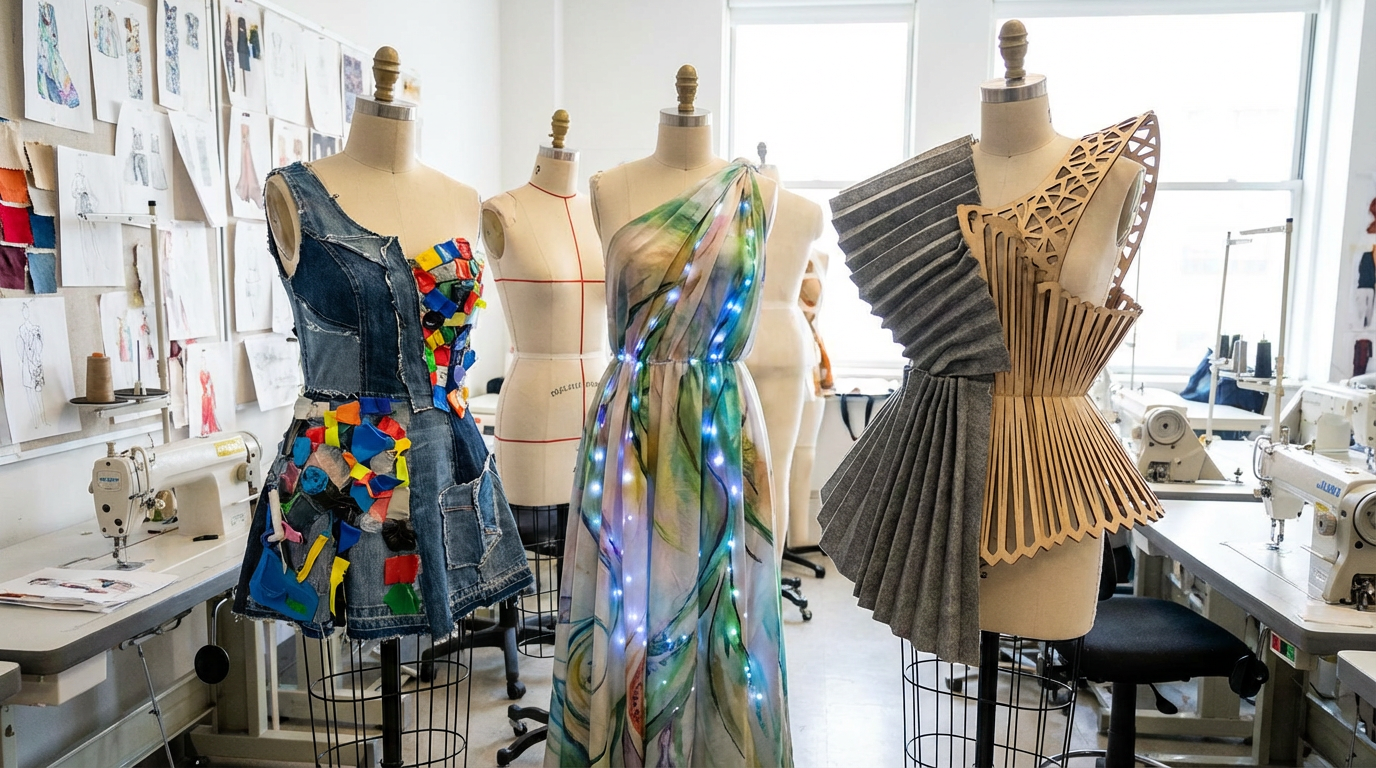
In the fashion industry, inspiration and experimentation are central to the creative process. Text-to-image AI enables designers to explore silhouettes, fabrics, and styles at an unprecedented pace.
Use cases include:
- Generating concept outfits and collections
- Exploring seasonal themes and color palettes
- Visualizing garments on different body types
- Creating editorial-style visuals for inspiration
While final garments still rely on craftsmanship and physical production, text-to-image AI plays a powerful role in ideation and visual storytelling.
Architecture and Interior Design
Architects and interior designers rely heavily on visual communication. Text-to-image AI helps bridge the gap between abstract ideas and tangible visuals.
Key applications include:
- Early-stage architectural concept imagery
- Interior design mood boards
- Lighting and atmosphere exploration
- Client-facing concept visuals
By describing spatial qualities, materials, and ambiance, designers can quickly produce images that communicate intent before detailed plans are created. This improves collaboration with clients and stakeholders.
Film, Entertainment, and Storytelling
Text-to-image AI has become an important tool for storytellers, filmmakers, and game designers. Visual world-building often starts long before production begins.
Use cases include:
- Concept art for characters and environments
- Storyboard-style scene visualization
- Mood and tone exploration
- Pre-visualization for films and games
Writers and directors can translate narrative ideas into visuals early in the process, helping teams align creatively before committing resources.
Publishing and Editorial Content
In publishing and digital media, visuals play a critical role in engagement. Text-to-image AI allows editors and content creators to produce custom imagery tailored to specific narratives.
Applications include:
- Editorial illustrations
- Blog and article visuals
- Educational content graphics
- Visual metaphors for abstract topics
Because the visuals are generated from text, they can closely match the tone and message of the written content.
Social Media and Content Creation
Content creators often need a steady flow of visuals to stay relevant. Text-to-image AI supports rapid content production while allowing for experimentation.
Creators use it for:
- Social media posts and thumbnails
- Concept visuals for videos
- Branded content experimentation
- Visual storytelling across platforms
The ability to generate images quickly enables creators to stay agile and respond to trends without large production teams.
Education and Training
Text-to-image AI is increasingly used in educational contexts to make information more accessible and engaging.
Common uses include:
- Visual explanations of complex concepts
- Training materials and presentations
- Educational storytelling
- Custom visuals for lesson plans
By turning descriptions into images, educators can support different learning styles and improve comprehension.
Creative Collaboration and Ideation
Across all industries, one of the most important benefits of text-to-image AI is its role in ideation. It allows teams to externalize ideas visually, making abstract concepts easier to discuss and refine.
Text-to-image AI supports:
- Brainstorming sessions
- Cross-disciplinary collaboration
- Faster creative alignment
- Reduced friction in early-stage design
It acts as a shared visual language between writers, designers, marketers, and decision-makers.
Integrating Text-to-Image AI into Creative Workflows
Text-to-image AI is most effective when integrated thoughtfully into existing workflows. Many teams use it for ideation and concept development, while final production remains in human hands.
If you want to explore text-to-image AI further and experiment with different creative workflows, you can use Eachlabs to test and refine visual generation models in a structured creative environment.
Challenges and Considerations
Despite its strengths, text-to-image AI has limitations:
- Outputs depend heavily on prompt clarity
- Highly specific details may require iteration
- Visual consistency across large projects can be challenging
Understanding these constraints helps teams use the technology strategically rather than expecting perfect results from a single prompt.
The Future of Text-to-Image AI in Creative Industries
As text-to-image AI continues to improve, its role in creative industries will expand. Rather than replacing traditional design processes, it will increasingly serve as a companion tool—enhancing speed, accessibility, and experimentation.
The most successful creators will be those who understand how to combine human judgment with AI-generated visuals to produce thoughtful, intentional work.
Wrapping Up
Text-to-image AI has become a foundational tool across creative industries. From marketing and fashion to architecture and storytelling, it enables faster ideation, clearer communication, and greater creative freedom.
By understanding its use cases and integrating it thoughtfully, creators can unlock new ways of working—where ideas move more fluidly from imagination to visual form.
Frequently Asked Questions
1. What is text-to-image AI mainly used for?
Text-to-image AI is mainly used for visual ideation, concept development, and rapid content creation across creative fields such as marketing, design, fashion, and entertainment.
2. Does text-to-image AI replace designers or artists?
No. Text-to-image AI supports creative workflows by accelerating early-stage exploration and visualization, but human creativity and decision-making remain essential.
3. How can teams get better results with text-to-image AI?
Clear prompts, iterative experimentation, and using AI outputs as starting points rather than final assets lead to the best results.