Kling AI for Dance Video Generation
Dance has always been one of the most challenging forms of visual expression to capture. It is not just about how something looks, but how it moves, flows, and connects emotionally with the viewer. As AI-generated video evolves, creators are increasingly exploring how static images can be transformed into expressive dance performances. This is where Kling stands out. Kling opens new creative possibilities by turning still images into fluid, performance-driven dance videos. Rather than producing
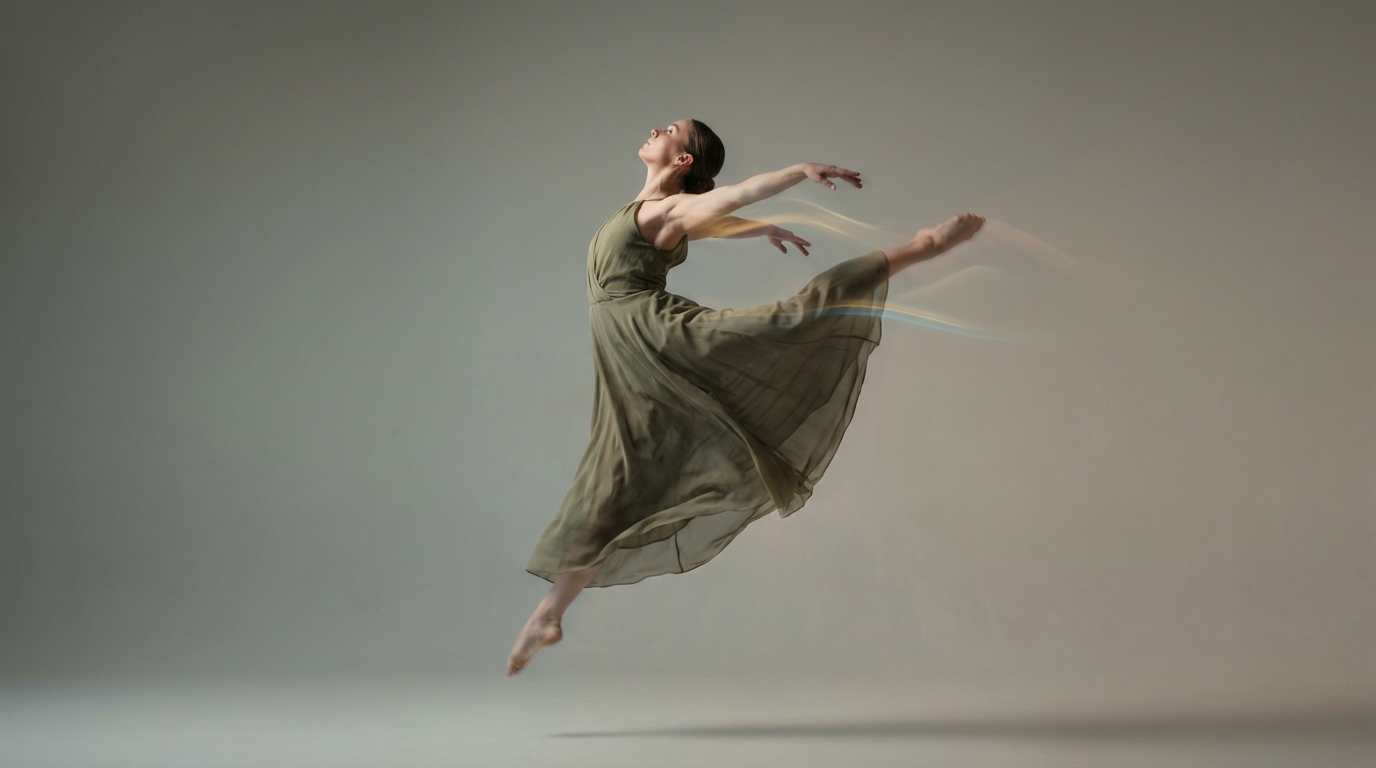
Dance has always been one of the most challenging forms of visual expression to capture. It is not just about how something looks, but how it moves, flows, and connects emotionally with the viewer. As AI-generated video evolves, creators are increasingly exploring how static images can be transformed into expressive dance performances. This is where Kling stands out.
Kling opens new creative possibilities by turning still images into fluid, performance-driven dance videos. Rather than producing stiff or mechanical motion, it focuses on rhythm, continuity, and body awareness, allowing images to evolve into believable movement. For creators, choreographers, and visual storytellers, this represents a major shift in what image-to-video AI can achieve.
This article explores how Kling is used specifically for dance video generation, why dance is such a powerful test for AI motion quality, and how creators can turn static visuals into dynamic performances.
Why Dance Is the Ultimate Test for AI Video Generation
Dance pushes AI models to their limits. Unlike basic motion such as walking or turning, dance involves complex coordination between limbs, precise timing, expressive posture, and emotional intent. Even small inconsistencies in motion can break the illusion immediately.
For AI-generated dance to feel convincing, several elements must work together:
- Smooth transitions between poses
- Consistent body proportions across frames
- Natural acceleration and deceleration
- Flowing movement rather than frame-by-frame jumps
- Emotional coherence in posture and gesture
Many early image-to-video models struggled in this area. Movements often felt robotic, jittery, or disconnected. Kling addresses these issues by treating motion as a continuous performance rather than a sequence of isolated frames.
Turning Still Images into Dance Performances
At the core of Kling’s dance capabilities is its ability to interpret a static pose as the starting point of a performance. A single image becomes the foundation for motion, not a limitation.
Instead of simply animating limbs randomly, Kling analyzes posture, balance, and implied direction. From there, it extends the pose into movement that feels intentional. A raised arm becomes the beginning of a turn. A shifted weight suggests a step or leap. The result is motion that feels choreographed rather than accidental.
This approach allows creators to:
- Start from a single dancer pose
- Maintain visual identity throughout the sequence
- Generate expressive motion without manual keyframing
- Create short dance clips that feel fluid and alive
Motion Flow and Rhythm in Dance Videos
One of the defining qualities of dance is rhythm. Movement is rarely constant; it expands, contracts, pauses, and accelerates. Kling demonstrates strong awareness of this rhythmic structure.
Dance videos generated with Kling often show:
- Gradual buildup into motion
- Natural pauses between movements
- Smooth arcs rather than sharp direction changes
- Balanced motion across the entire body
This sense of flow is especially important for styles like contemporary dance, ballet, or expressive movement, where subtlety matters more than speed.
Rather than exaggerating motion, Kling tends to favor controlled, graceful transitions. This makes it particularly effective for emotionally driven performances where elegance and continuity are key.
Pose Consistency and Body Awareness
Another critical aspect of dance video generation is pose consistency. Viewers instinctively notice when body proportions change or when limbs behave unnaturally. Kling reduces these issues by maintaining stronger temporal consistency across frames.
In dance sequences, this means:
- Arms and legs maintain realistic proportions
- The torso moves as a unified structure rather than fragmenting
- Balance and weight feel physically plausible
- Poses evolve naturally rather than snapping into place
This consistency allows dance videos to feel like a single performance instead of a stitched-together animation.
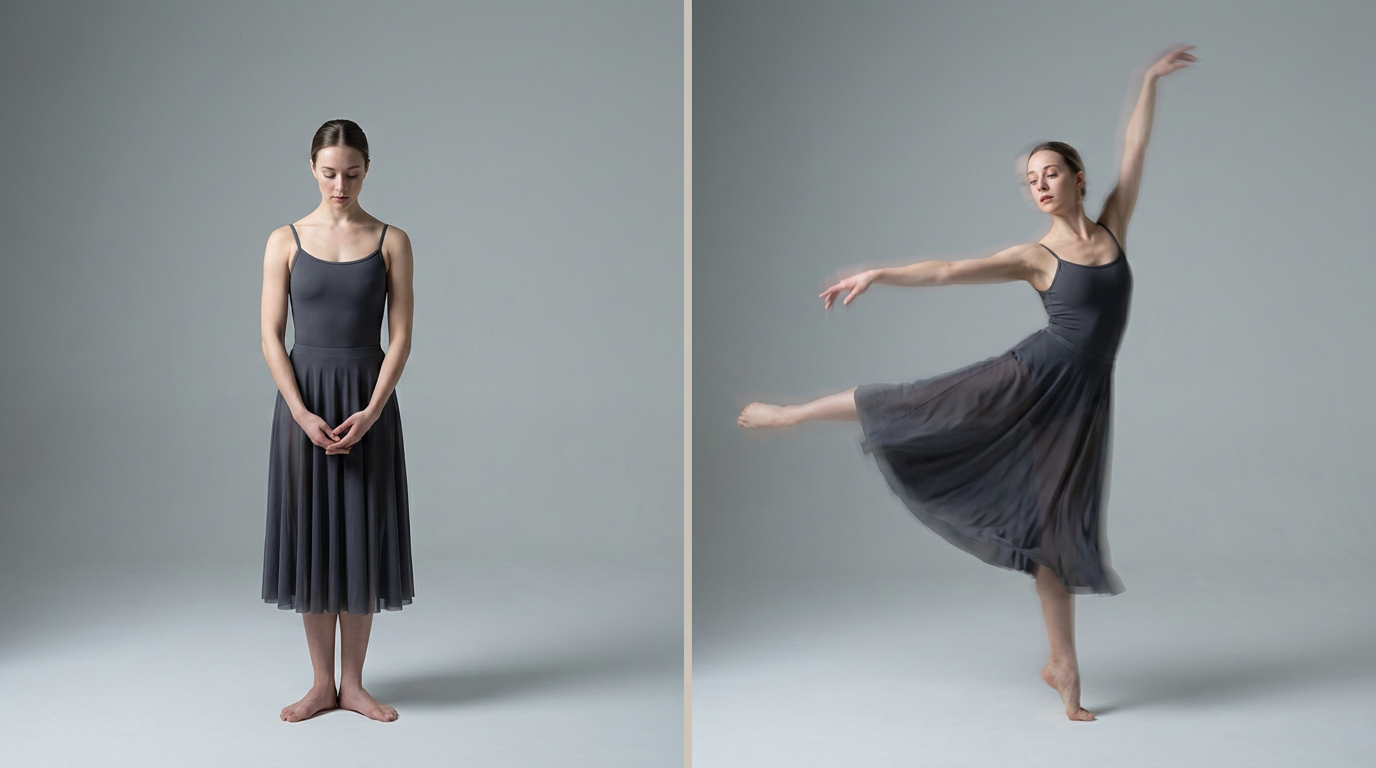
Expressive Movement Over Hyperrealism
Interestingly, the most successful AI-generated dance videos are not always the most realistic. What matters more is expressiveness. Kling leans into this idea by prioritizing readable motion and emotional clarity over extreme detail.
Facial expressions remain stable. Body language communicates intent. Even when motion is stylized, it feels purposeful. This makes the output suitable not only for realistic dance but also for interpretive, artistic, or conceptual performances.
Creators often use Kling to generate:
- Contemporary dance clips
- Conceptual movement pieces
- Fashion-forward performance visuals
- Short artistic loops for social media
Loopable Dance Content for Short-Form Platforms
Short, loopable dance videos are a major use case for image-to-video AI. Kling performs especially well in this format because it maintains continuity across the start and end of motion.
Loopable dance content benefits from:
- Smooth cyclical movement
- No visible jump between frames
- Consistent posture and rhythm
By generating motion that naturally returns to a resting pose or repeated gesture, Kling enables creators to produce seamless loops that feel intentional rather than forced.
This is particularly useful for platforms where looping visuals enhance engagement and storytelling.
Prompting for Better Dance Results
Dance-focused prompting works best when creators describe movement quality rather than complex visual details. Kling responds more effectively to prompts that emphasize how the dancer should move.
Effective prompt elements include:
- Motion descriptors like “fluid,” “graceful,” or “controlled”
- Tempo cues such as “slow,” “gentle,” or “rhythmic”
- Emotional tone like “expressive,” “serene,” or “dramatic”
- Clear starting pose descriptions
Avoid overloading prompts with multiple conflicting movements. One clear motion direction produces more coherent dance sequences than several layered instructions.
Creative Workflows for Dance Video Generation
Many creators integrate Kling into broader creative workflows. A common approach involves:
- Creating or selecting a strong base image
- Defining a clear dance pose
- Generating short motion sequences
- Reviewing flow and rhythm
- Iterating with refined prompts
This process allows experimentation without rebuilding the entire scene. Small prompt adjustments can dramatically change the feel of the performance.
If you want to explore Kling further in a structured environment, you can explore it through Eachlabs, where workflows are designed to support creative iteration without breaking visual consistency.
Limitations to Keep in Mind
While Kling performs impressively in dance generation, it is still important to understand its boundaries.
Potential limitations include:
- Long, complex choreographies may lose consistency
- Extremely fast or acrobatic movement can reduce clarity
- Highly technical dance styles may require multiple iterations
Keeping dance clips short and focused generally leads to the best results. Subtlety almost always outperforms aggressive motion requests.
Why Kling Is Well-Suited for Dance Content
Dance highlights everything that matters in AI motion: flow, consistency, timing, and emotion. Kling succeeds because it treats motion as performance rather than animation.
Its strengths include:
- Smooth, readable movement
- Strong pose-to-motion continuity
- Expressive body language
- Natural rhythm and pacing
For creators who want to transform static images into compelling dance performances, Kling offers a powerful and flexible solution.
Wrapping Up
Kling AI for dance video generation represents a meaningful step forward in image-to-video creativity. By focusing on motion quality, rhythm, and expressive continuity, it allows static images to evolve into performances that feel intentional and alive.
Dance is one of the most demanding forms of motion, and Kling’s ability to handle it demonstrates how far AI video generation has progressed. For artists, choreographers, and visual creators, this opens the door to new ways of storytelling—where a single image can become a living performance.
Frequently Asked Questions
1. What makes Kling suitable for dance video generation?
Kling focuses on smooth motion, pose consistency, and rhythmic flow, which are essential for believable dance performances.
2. Can Kling generate loopable dance videos?
Yes. Kling performs well with short, loopable sequences where motion cycles smoothly without visible breaks.
3. Is Kling better for realistic or stylized dance?
Kling works well for both, but it particularly excels in expressive and stylized performances where emotional movement matters more than technical precision.