Creating Creative Content with Text to Video AI Models
Creative content production has changed dramatically with the rise of AI-powered tools. What once required large teams, complex software, and long production timelines can now begin with a simple text prompt. Text to video AI models allow creators to transform written ideas into moving visuals, opening new possibilities for storytelling, experimentation, and rapid content creation. Rather than replacing creativity, these models shift how creativity is expressed. The focus moves from technical e
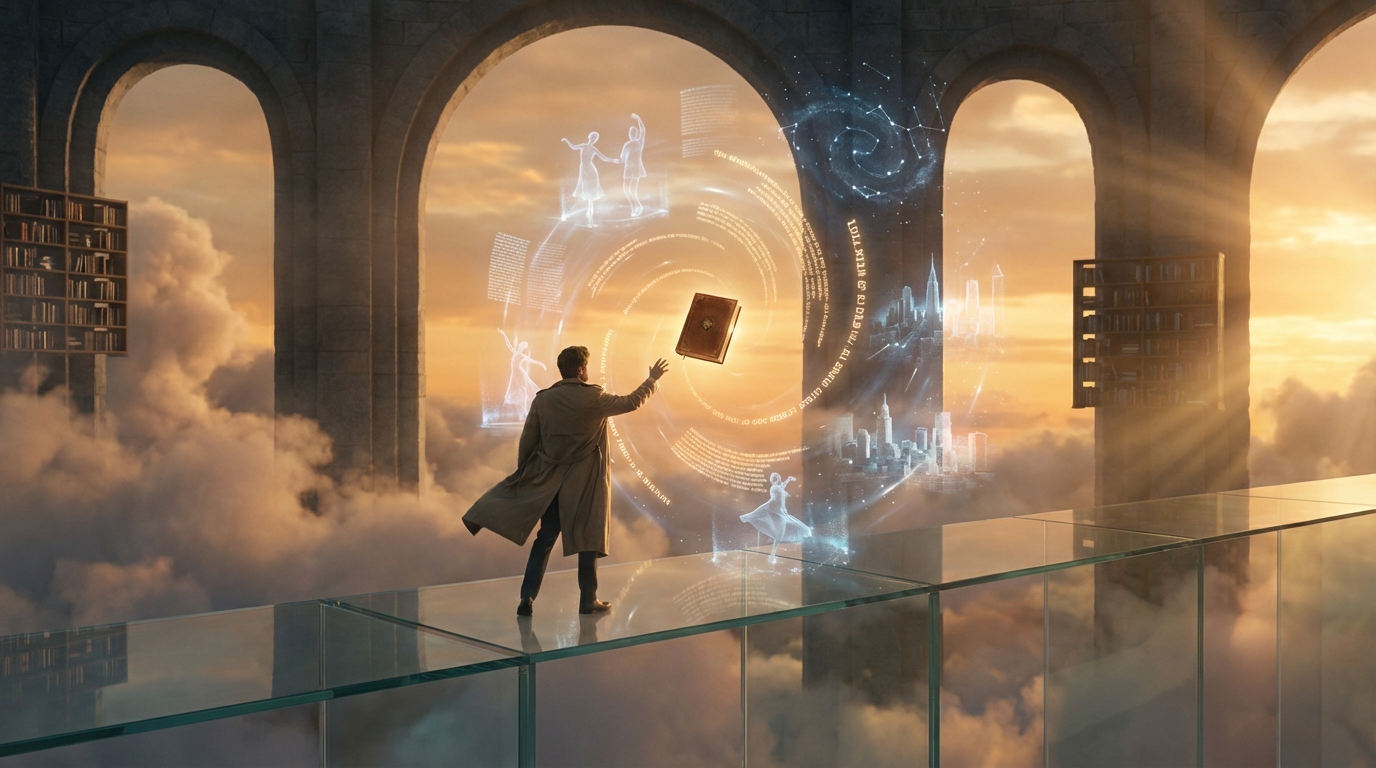
Creative content production has changed dramatically with the rise of AI-powered tools. What once required large teams, complex software, and long production timelines can now begin with a simple text prompt. Text to video AI models allow creators to transform written ideas into moving visuals, opening new possibilities for storytelling, experimentation, and rapid content creation.
Rather than replacing creativity, these models shift how creativity is expressed. The focus moves from technical execution to conceptual thinking—imagining motion, atmosphere, and emotion before a single frame exists. In this guide, we explore how creative content is made using text to video AI models, what makes these tools effective, and how creators can use them intentionally.
Understanding Creative Content in the AI Era
Creative content is not defined by realism alone. It is shaped by mood, pacing, visual language, and emotional intent. Text to video AI models are especially powerful because they allow creators to explore these elements early, without committing to a final production format.
Instead of asking “How do I shoot this?”, creators can ask:
- What should this moment feel like?
- How should motion flow?
- What atmosphere supports the idea?
By answering these questions through text prompts, creators can generate visual interpretations that guide further refinement.
From Idea to Motion: Thinking Creatively with Text Prompts
The key to creative success with text to video AI models lies in learning how to think in motion. A good prompt does not simply describe objects; it describes movement, rhythm, and visual progression.
Effective creative prompts often include:
- A clear subject or focal point
- Descriptions of motion or change
- Emotional tone or atmosphere
- Environmental context
For example, instead of writing “a person walking,” a more creative prompt might describe how the movement unfolds, how the camera follows, and what mood the scene conveys. This shift in thinking helps the AI generate more expressive and cohesive results.
Using Text to Video AI for Creative Exploration
One of the greatest strengths of text to video AI models is their ability to support exploration. Creators can test multiple interpretations of the same idea quickly, adjusting prompts to explore different styles, tempos, or emotional tones.
This process encourages:
- Visual experimentation without high cost
- Iterative refinement of creative direction
- Discovery of unexpected visual outcomes
Because the barrier to experimentation is low, creators can take more risks, explore abstract ideas, or develop visual concepts that would otherwise be impractical.
Creative Content Types Made with Text to Video AI
Text to video AI models are used across a wide range of creative formats. Some of the most common include:
Mood and Atmosphere Videos
Short clips designed to evoke a feeling rather than tell a full story. These are often used for inspiration, concept development, or background visuals.
Narrative Experiments
Early-stage story ideas can be visualized through AI-generated scenes, helping creators explore pacing, transitions, and emotional arcs.
Social and Short-Form Content
Text to video AI models make it easier to generate visually engaging clips for short-form platforms, where speed and originality matter.
Artistic and Conceptual Visuals
Abstract motion, surreal environments, and experimental visuals are particularly well suited to AI-generated video, where realism is less important than expression.
Balancing Control and Creativity
While text to video AI models offer powerful creative freedom, intentional structure is still important. Overly vague prompts can lead to inconsistent results, while overly detailed prompts may limit exploration.
A balanced approach works best:
- Start with a clear creative intent
- Describe motion and mood simply
- Refine through iteration rather than complexity
Creative content often emerges through multiple prompt variations rather than a single perfect description.

The Role of Iteration in Creative AI Workflows
Creative workflows with text to video AI are inherently iterative. Each generation provides feedback that informs the next prompt. This loop helps creators refine ideas quickly and intuitively.
Iteration allows creators to:
- Improve motion consistency
- Adjust pacing and framing
- Align visuals more closely with creative goals
Instead of seeing iteration as correction, it becomes part of the creative process itself.
Integrating Text to Video AI into Creative Pipelines
Text to video AI models rarely exist in isolation. They are often used alongside other tools for editing, sound design, or visual refinement.
Creators commonly use AI-generated video for:
- Concept previews
- Visual references
- Early-stage creative validation
If you want to explore text to video AI models further and experiment with creative workflows, you can explore them using Eachlabs, where different models and motion-focused tools can be tested in a structured environment.
Common Mistakes to Avoid
Even experienced creators can encounter challenges when working with text to video AI models. Some common pitfalls include:
- Focusing too much on visual detail instead of motion
- Expecting perfect results from a single prompt
Overloading prompts with conflicting instructions
Creative success often comes from clarity, patience, and willingness to explore variations.
Why Text to Video AI Models Empower Creativity
Text to video AI models do not replace creative vision—they amplify it. By removing technical barriers, they allow creators to focus on ideas, emotions, and movement. This shift empowers more people to experiment visually and express concepts that might otherwise remain abstract.
As these models continue to evolve, creative content will increasingly begin as text, shaped by imagination and refined through iteration.
Wrapping Up
Creating creative content with text to video AI models is about more than generating visuals. It is about learning to think in motion, exploring ideas through iteration, and using AI as a creative partner rather than a shortcut.
By approaching text to video AI with intention and curiosity, creators can unlock new forms of expression and storytelling. Whether used for experimentation, inspiration, or early-stage development, these tools open doors to creative possibilities that were once out of reach.
Frequently Asked Questions
1. What are text to video AI models best used for?
Text to video AI models are best used for creative exploration, concept development, mood videos, and early-stage visual storytelling rather than fully polished final productions.
2. Do I need technical skills to use text to video AI models?
No. Most text to video AI models are designed to work with natural language prompts, allowing creators to focus on ideas rather than technical setup.
3. How can I improve creative results with text to video AI?
Focus on describing motion, atmosphere, and emotion clearly. Iterating on prompts and experimenting with variations usually leads to stronger creative outcomes.