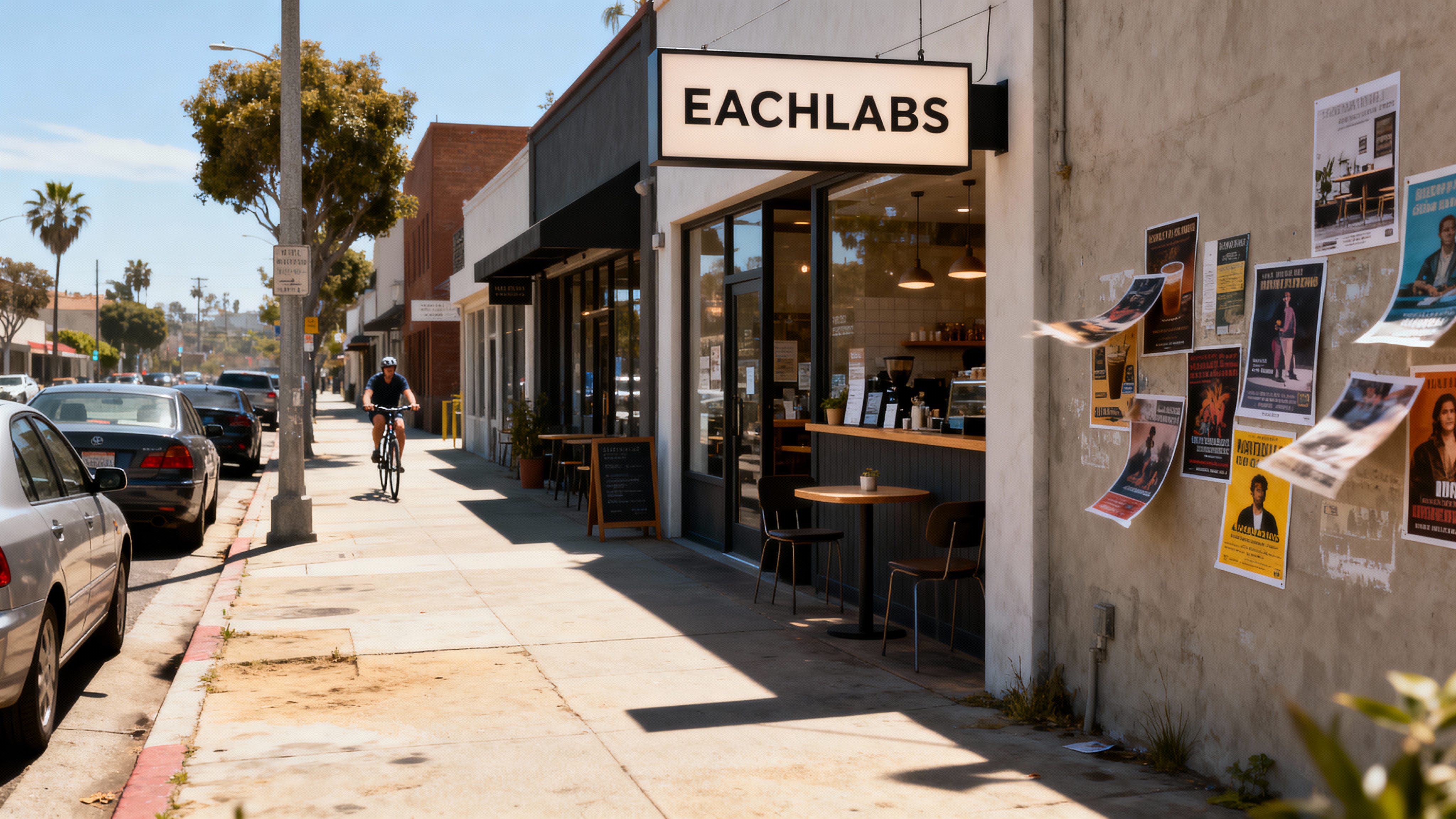
Bytedance | Seedream | v4.5 | Text to Image
ByteDance Seedream v4.5 is a high-resolution text-to-image model delivering cinematic-quality visuals with industry-leading typography rendering, strong multi-part prompt adherence, and native 4K output with measurable improvements in layout precision, aesthetic coherence, and detail fidelity over Seedream v4.0. It supports English and Chinese text rendering and up to 14 reference images for consistent batch generation.
- Runtime (p50)
- 10s
- Estimated price
- $0.04 per image
Overview
bytedance-seedream-v4.5-text-to-image — Text-to-Image AI Model
Developed by Bytedance as part of the seedream-v4.5 family, bytedance-seedream-v4.5-text-to-image revolutionizes image generation by unifying high-fidelity text-to-image creation with advanced editing in a single multimodal architecture, enabling seamless workflows for designers and developers seeking Bytedance text-to-image solutions. This model stands out with native 4K resolution up to 2048×2048 and designer-level text rendering, producing crisp typography even in small fonts that most text-to-image AI models struggle to achieve. For users searching for a text-to-image AI model with multi-image reference support, bytedance-seedream-v4.5-text-to-image delivers professional results 10x faster than prior versions, perfect for rapid prototyping in e-commerce visuals or branding assets.
Capabilities
- High-fidelity text-to-image generation with strong realism, especially in textures, lighting behavior, and skin tones, suitable for commercial-grade visuals.
- Robust multi-image and batch consistency: maintains character identity, clothing details, lighting direction, and style across multiple images in the same set.
- Advanced typography: generates clear, small English and Chinese text, enabling posters, packaging, UI mockups, and branding assets with dense copy.
- Unified generation and editing: supports text-guided edits, single-image editing, and multi-image fusion while preserving facial features, lighting, and color tone from reference images.
- Strong prompt adherence: better interpretation of complex, multi-part prompts and spatial relationships (e.g., object distances, camera angles, composition) than prior Seedream versions.
- Cinematic aesthetic quality: produces images with polished color grading, filmic grain, and cohesive composition, often described by users as “more cinematic” than some competing models.
- Reliable handling of historically difficult areas such as hands, complex clothing wrinkles, and intricate accessories, according to comparative reviews and user tests.
- Versatile style range: supports photorealism, editorial fashion, product photography, stylized illustration, and concept art, with particularly strong results in design-heavy, layout-driven work.
- High-resolution output up to 4K, enabling direct use in print, large-format advertising, and high-DPI digital assets.
- Bilingual (EN/ZH) text understanding and rendering, making it suitable for global and Chinese-language markets.
Use cases
Use Cases for bytedance-seedream-v4.5-text-to-image
For designers crafting branding materials, bytedance-seedream-v4.5-text-to-image generates posters with precise multi-language text overlays, like feeding a prompt "elegant black logo reading 'EcoLux' in cursive font on a marble background with subtle glow" alongside reference sketches, yielding print-ready 2048×2048 outputs with flawless kerning.
Marketers building e-commerce visuals use its multi-image references to place products consistently across scenes; upload 6 angles of a sneaker with prompt "photorealistic sneaker lineup on urban street at dusk, studio lighting," creating diverse mockups without losing shape or texture details.
Developers integrating bytedance-seedream-v4.5-text-to-image API into apps for AI image editing can leverage fast 3-second generations for real-time previews, ideal for tools handling "add handwritten sale tag to product photo in rainy window display" with up to 14 references for stable compositions.
Adult content creators appreciate unrestricted NSFW capabilities combined with high-fidelity textures, producing artistic nudes or mature scenes with natural skin rendering and custom text elements in seconds.
Tips & tricks
How to Use bytedance-seedream-v4.5-text-to-image on Eachlabs
Access bytedance-seedream-v4.5-text-to-image seamlessly on Eachlabs via the Playground for instant testing, API for production-scale text-to-image AI model integrations, or SDK for custom apps. Input a detailed prompt, up to 14 image_urls for references, set image_size to "2K" or "4K", guidance_scale 7-9, and optional seed for reproducibility—outputs deliver crisp PNGs up to 2048×2048 in seconds with watermark disabled.
---Technical spec
What Sets bytedance-seedream-v4.5-text-to-image Apart
bytedance-seedream-v4.5-text-to-image excels in true native 4K generation up to 2048×2048 pixels without upscaling, ensuring every texture and detail remains sharp for print-ready outputs. This enables creators to produce professional marketing materials or large-format prints directly, bypassing post-processing steps common in other models.
Its breakthrough text rendering handles small fonts (8-12pt), Chinese characters, and long-text layouts with vector-grade sharpness and automatic kerning, surpassing manual designs from tools like Canva. Designers benefit by generating logos, posters, and signage with readable, aesthetically optimized typography in one pass.
Multi-image composition supports up to 14 reference images for consistent subject identification across complex scenes, maintaining character or product fidelity. This empowers precise image editing workflows, like compositing multiple product shots into realistic environments.
- Lightning-fast inference: 1K images in 3 seconds, scaling to 4K with guidance_scale 7-9.
- Flexible aspect ratios and image_size options like "2K" or "4K" via API.
- Full NSFW support with commercial rights for unrestricted AI image generator use.
Things to be aware of
- Experimental and advanced features:
- The cross-image consistency module is relatively new; while it performs impressively in many tests, edge cases with extremely diverse scenes in one batch can still cause minor drift in details.
- Multi-image fusion and identity preservation rely on the quality and clarity of reference images; low-quality or inconsistent references can lead to unexpected blends.
- Known quirks and edge cases from community feedback:
- In very dense text layouts with many different font sizes and orientations, occasional minor distortions or spacing issues can appear, especially near the edges of the frame.
- Highly abstract prompts with minimal concrete visual cues may lead to overly “cinematic but generic” compositions, as the model defaults to polished photographic aesthetics.
- Some users note that in ultra-complex scenes with many small objects, absolute micro-detail can lag behind the very top models focused solely on extreme sharpness.
- Performance and resource considerations:
- 4K generation is computationally heavy; users often report longer runtimes and recommend iterating at lower resolutions before final upscales.
- Multi-image batches with high resolution multiply resource usage; careful planning of batch sizes and resolutions is advised for large-scale campaigns.
- Consistency factors:
- Identity and style consistency are strong but can be affected if prompts vary too much between shots; reusing core descriptors and style tokens is important for stable results.
- Lighting and color tone remain coherent across batches when explicitly described; leaving lighting underspecified can result in more variation than some production workflows expect.
- Positive user feedback themes:
- Many reviewers highlight the “cinematic” look, strong color grading, and natural lighting as standout qualities, especially compared with earlier Seedream versions.
- Users consistently praise the improvements in hands, faces, and clothing detail, as well as the reliability of small-text rendering for posters and UI.
- Designers and illustrators report that multi-image consistency substantially reduces manual cleanup and rework when producing character sets or multi-panel layouts.
- Common concerns or negative feedback patterns:
- Some users seeking the absolute sharpest, hyper-detailed realism still rate a few competing models slightly higher for pixel-level detail, though Seedream 4.5 is often preferred for overall aesthetic cohesion.
- A minority of reports mention that, for very stylized or niche art directions, Seedream 4.5 may gravitate toward a polished, “commercial” look unless strongly steered by detailed style prompts.
- Internal benchmarks (MagicBench) are proprietary; external independent benchmarks are still catching up, so some users remain cautious about overgeneralizing early leaderboard claims.
Key considerations
- Seedream 4.5 is optimized for both generation and editing; for best results, treat it as a unified “creative system” rather than separate models for each task.
- Multi-image consistency is a key strength; leverage batch generation for character sheets, product series, and storyboards to exploit its cross-image consistency module.
- Prompt specificity strongly affects output: users report that detailed style, lighting, and composition descriptors (e.g., lens type, film stock, mood, color grading) are followed reliably, especially for cinematic looks.
- For typography-heavy tasks (posters, UI, packaging), explicitly describing text placement, font style, and hierarchy improves layout quality; the model is good at small text but still benefits from clear structure in prompts.
- At 4K resolutions, generation is more resource-intensive; many users iterate at 2K and upscale to 4K only for final outputs to balance quality and speed.
- Overly long or conflicting prompts can reduce coherence; community feedback suggests grouping concepts (subject, environment, style, camera, text) and avoiding contradictory modifiers.
- For identity consistency, include stable descriptors (hair color, hairstyle, facial traits, clothing, age, ethnicity) and reuse the same character description across prompts; the model’s identity-preservation system responds well to this pattern.
- When editing, clearly indicate which parts of the image should remain unchanged versus modified; vague editing instructions can lead to over-editing or unintended changes.
- High-density text (many small words) is supported, but legibility still depends on contrast and composition; prompts that specify “high contrast, clean layout, print-ready typography” tend to yield better results for professional graphics.
- Quality vs speed trade-off: higher resolutions and more complex compositions produce superior detail and lighting but at increased latency; simpler scenes at moderate resolution are faster and often sufficient for drafts and ideation.
Limitations
- The exact architecture and parameter count are not publicly disclosed, limiting fine-grained technical analysis and custom research-oriented tuning.
- While very strong overall, Seedream 4.5 may not be the top choice for extreme micro-detail or highly stylized niche art where other models specialized in those areas can outperform it.
- 4K and large multi-image batches are resource-intensive and slower, making it less optimal for ultra-high-volume, low-latency generation scenarios without careful resolution and batch-size management.
Related models
4 models
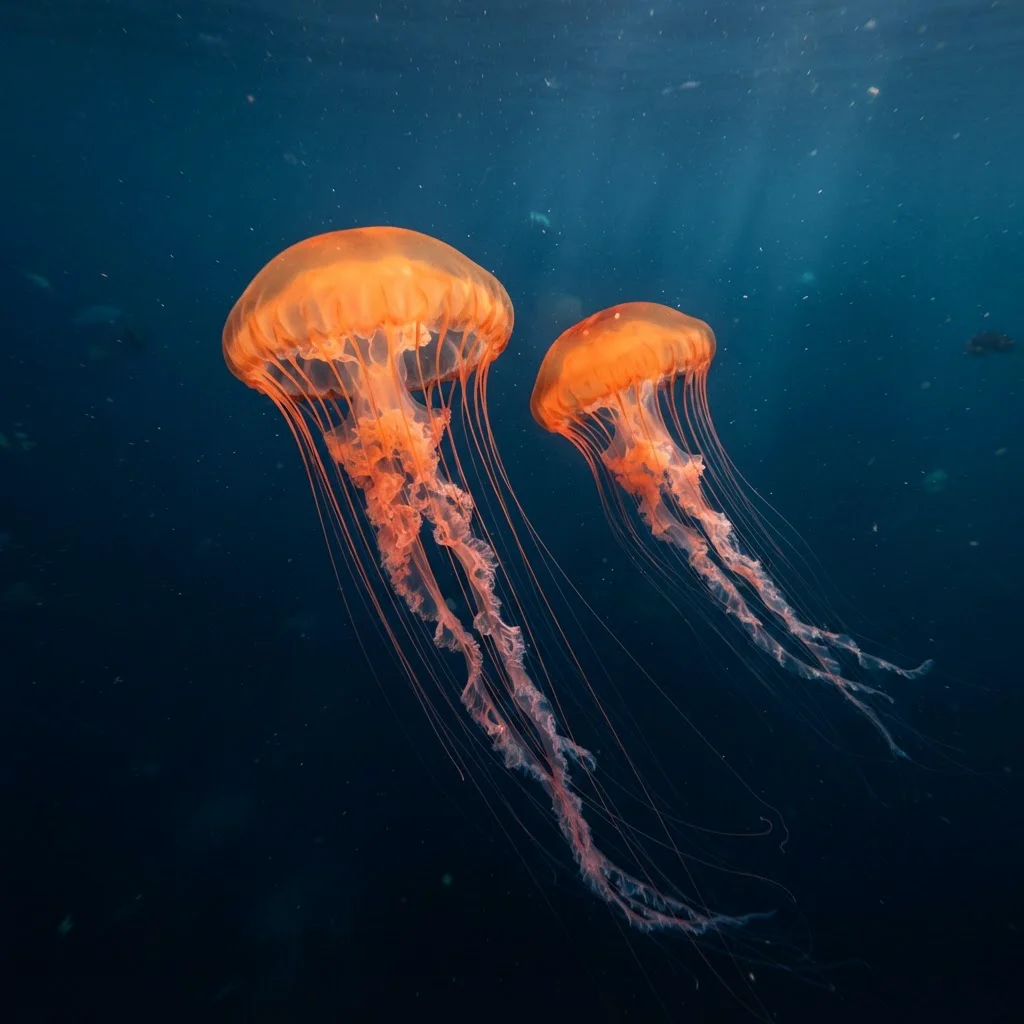


About Bytedance | Seedream | v4.5 | Text to Image
What are the main improvements in Seedream v4.5 over Seedream v4.0?
Seedream v4.5 delivers measurable gains in four areas: prompt adherence (better spatial relationships and camera angles), typography quality (roughly 40% improvement in small-text readability with vector-grade sharpness), aesthetic coherence (more consistent cinematic color grading and composition), and accuracy in tricky areas like hands, complex clothing, and fine accessories. ByteDance's internal MagicBench evaluations confirm significant progress across all core quality dimensions.