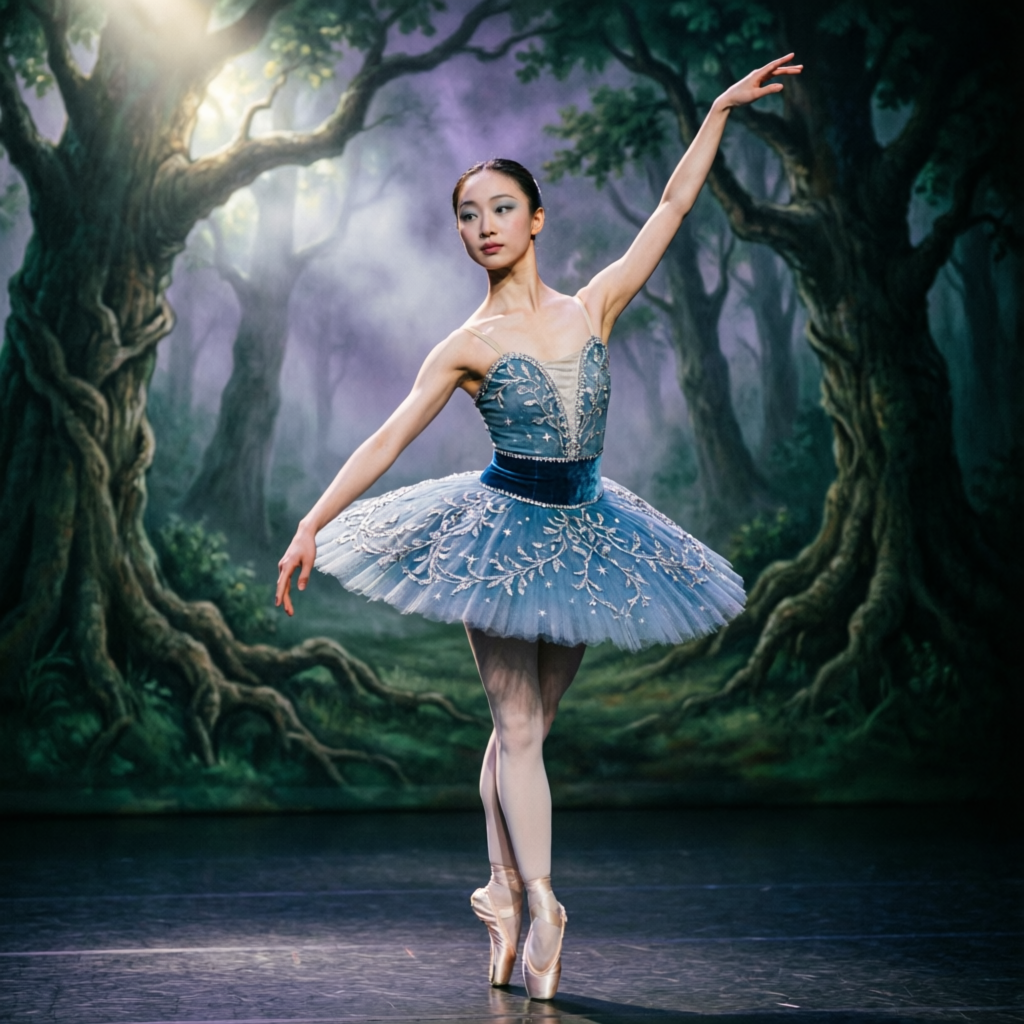
Alibaba | Qwen Image 2.0 | Text to Image
Qwen Image 2.0 Text-to-Image generates 2K AI visuals from text with strong typography for posters, infographics, and social graphics on eachlabs.
- Runtime (p50)
- 15s
- Estimated price
- $0.035 per image
Overview
Alibaba | Qwen Image 2.0 | Text to Image Overview
Alibaba | Qwen Image 2.0 | Text to Image is a powerful text-to-image generation model from Alibaba's Qwen family, designed to transform textual descriptions into high-quality, detailed images. It solves the challenge of creating visually compelling content from simple prompts, enabling users to generate realistic or artistic visuals without design skills. As part of the advanced Qwen series, this model stands out with its native multimodal capabilities, integrating text and image understanding for superior prompt adherence and creative output. Available through the Alibaba | Qwen Image 2.0 | Text to Image API on platforms like each::labs, it supports diverse applications from concept art to marketing visuals. Whether you're a designer prototyping ideas or a developer building AI tools, this Alibaba text-to-image solution delivers efficient, scalable image generation.
Capabilities
Capabilities
- Generates high-resolution images from detailed text prompts with excellent anatomical accuracy for humans and objects
- Supports diverse art styles, from photorealistic to anime, oil painting, and abstract
- Multilingual prompt handling, performing well in English, Chinese, and other languages
- Style transfer using reference images for consistent visual themes
- Complex scene composition, including multiple subjects, lighting effects, and atmospheres
- Negative prompting to refine outputs by excluding specific elements
- Custom aspect ratios and resolutions for tailored outputs
- Fast inference optimized for API use on each::labs
Use cases
Use Cases for Alibaba | Qwen Image 2.0 | Text to Image
For creators: Generate concept art for games or films. Example prompt: "Epic fantasy dragon soaring over ancient ruins, dramatic volumetric lighting, in the style of Frank Frazetta, 16:9." Leverages complex scene composition.
For marketers: Create custom ad visuals. Example: "Modern smartphone on a sleek desk with city skyline background, product photography style, high key lighting, 9:16 for social media." Uses style transfer for brand consistency.
For developers: Build dynamic image APIs. Integrate via Alibaba | Qwen Image 2.0 | Text to Image API on each::labs to power apps with on-demand visuals, like personalized avatars from user descriptions.
For designers: Prototype UI elements. Prompt: "Minimalist website hero banner with abstract geometric shapes, pastel colors, flat design, 21:9 ultrawide." Excels in precise stylistic control.
Tips & tricks
Tips and Tricks
Optimize prompts for Alibaba | Qwen Image 2.0 | Text to Image by structuring them with subject, style, lighting, and composition details. Use descriptive language like "in the style of [artist]" to leverage its strong stylistic mimicry. For best results, specify aspect ratios explicitly and iterate with negative prompts to avoid unwanted elements. Parameter tweaks: Set guidance scale to 7-9 for prompt adherence, and steps to 30-50 for quality.
- Example 1: "A futuristic cityscape at dusk, neon lights reflecting on wet streets, cyberpunk style by Syd Mead, highly detailed, 16:9 aspect ratio."
- Example 2: "Portrait of a serene mountain lake with autumn foliage, photorealistic, golden hour lighting, no humans, sharp focus."
- Example 3: "Abstract watercolor painting of swirling galaxies, vibrant colors, textured brushstrokes, square format."
Combine with each::labs workflows for chaining generations, enhancing efficiency in Alibaba text-to-image projects.
Technical spec
Technical Specifications
- Resolution Support: Up to 2048x2048 pixels, with flexible scaling for various output sizes
- Aspect Ratios: Supports 1:1, 16:9, 9:16, 2:3, and custom ratios
- Input Formats: Text prompts (up to 512 tokens), optional reference images for style guidance
- Output Formats: PNG, JPEG high-resolution images
- Processing Time: Typically 5-20 seconds per image, depending on complexity and resolution
- Architecture: Multimodal diffusion transformer with 7B parameters, optimized for vision-language tasks
- Max Batch Size: Up to 8 images per request via API
These specs make Alibaba | Qwen Image 2.0 | Text to Image suitable for both rapid prototyping and production workflows on each::labs.
Things to be aware of
Things to Be Aware Of
Alibaba | Qwen Image 2.0 | Text to Image may struggle with highly abstract or nonsensical prompts, producing inconsistent results. Common mistakes include overly long prompts exceeding token limits, leading to ignored details—keep under 200 words. Edge cases like extreme close-ups or intricate text rendering can show artifacts. Resource-wise, high-resolution batches increase processing time and API costs on each::labs. Test iteratively for optimal outputs, especially in multilingual use where cultural nuances affect interpretation. Avoid rapid successive requests to prevent rate limiting.
Key considerations
Key Considerations
Before using Alibaba | Qwen Image 2.0 | Text to Image, ensure your prompts are detailed and specific, as vague inputs may yield generic results. No special hardware is required—access it via the Alibaba | Qwen Image 2.0 | Text to Image API on each::labs for cloud-based processing. It's ideal for scenarios needing high fidelity in complex scenes over speed-critical tasks. Cost scales with resolution and batch size, offering strong value for creative professionals versus basic free tools. Compare performance tradeoffs: excels in multilingual prompts but may require iteration for photorealism. Prerequisites include an each::labs account for seamless integration.
Limitations
Limitations
Alibaba | Qwen Image 2.0 | Text to Image cannot generate videos or edit existing images—strictly text-to-image. It has constraints on rendering small text within images accurately and may bias toward certain styles from training data. Outputs are capped at 2048x2048 resolution, and extremely rare subjects might lack detail. No support for interactive refinements in a single call. Quality dips in overly crowded scenes with 10+ elements.
Related models
4 models
About Alibaba | Qwen Image 2.0 | Text to Image
What is Qwen Image 2.0 Text-to-Image?
Qwen Image 2.0 Text-to-Image is a text-to-image model from Qwen that generates high-resolution still images from natural-language prompts. Native 2K output and accurate in-image typography make it well-suited for visual content where readable text inside the image matters, like posters, charts, and editorial graphics.