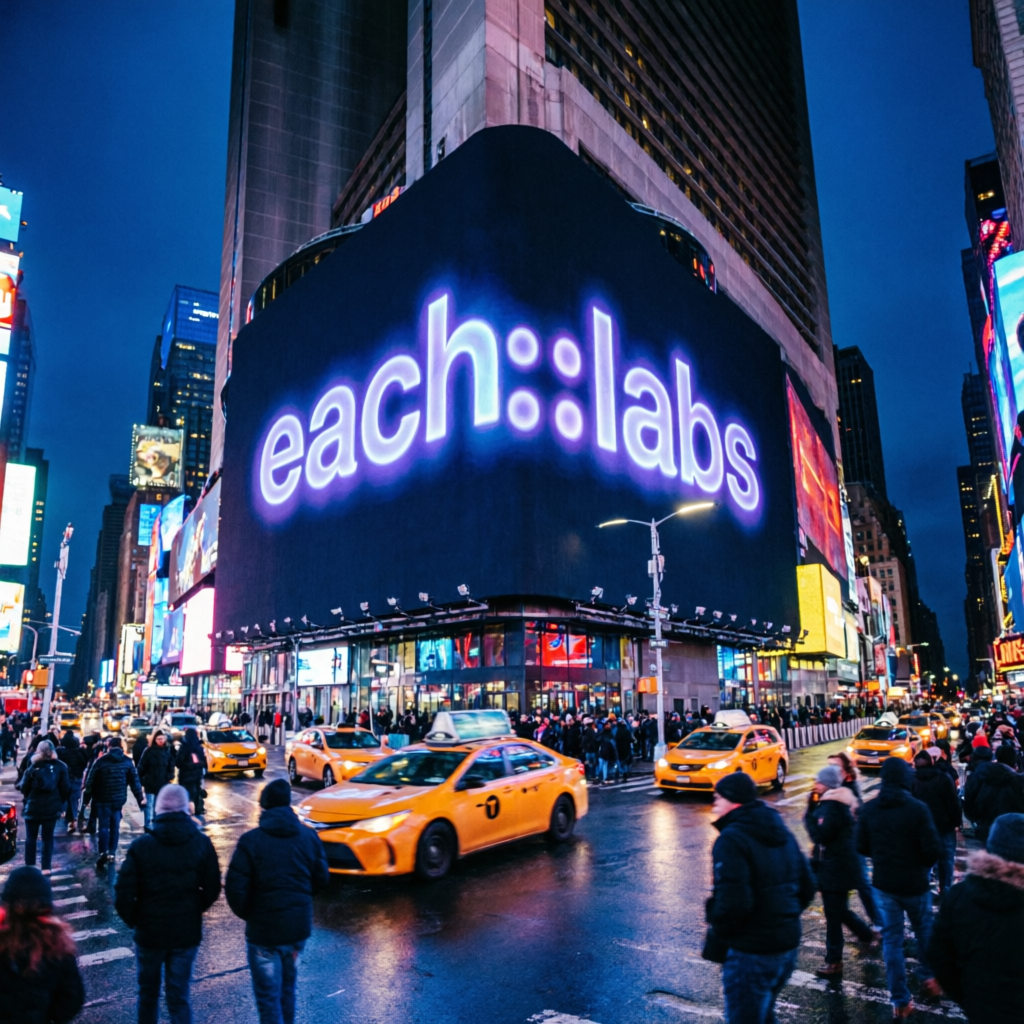
Alibaba | Qwen Image 2.0 | Pro | Text to Image
Qwen Image 2.0 Pro Text-to-Image creates premium 2K visuals from text with publication-grade typography for posters, marketing, and design work.
- Runtime (p50)
- 30s
- Estimated price
- $0.075 per image
Overview
Alibaba | Qwen Image 2.0 | Pro | Text to Image Overview
Alibaba | Qwen Image 2.0 | Pro | Text to Image is a cutting-edge text-to-image generation model from Alibaba's Qwen family, designed to transform detailed textual descriptions into high-fidelity visuals with exceptional detail and coherence. Developed by Alibaba Cloud, this Pro variant excels in producing photorealistic and artistic images, solving the challenge of creating professional-grade visuals from simple prompts for creators and designers. Its primary differentiator lies in advanced multimodal understanding, enabling superior handling of complex scenes, styles, and compositions compared to earlier models in the Qwen series.
Part of the rapidly evolving Qwen Image 2.0 family, it builds on Alibaba's expertise in large-scale AI training, offering seamless integration via the Alibaba | Qwen Image 2.0 | Pro | Text to Image API for developers. Whether for marketing assets, concept art, or rapid prototyping, this model delivers consistent, high-resolution outputs that capture nuanced prompt elements like lighting, textures, and emotions effectively.
Capabilities
Capabilities
- Generates photorealistic images from complex textual descriptions with accurate anatomy and proportions
- Supports diverse artistic styles, from oil painting to digital art and photography
- Handles intricate scenes with multiple subjects, dynamic lighting, and environmental details
- Excels in text rendering within images, such as legible signs or logos
- Produces consistent character designs across multiple generations
- Understands cultural and contextual nuances for globally relevant visuals
- Optimizes for high-resolution outputs up to 2K without quality loss
- Integrates negative prompting for precise control over unwanted elements
Use cases
Use Cases for Alibaba | Qwen Image 2.0 | Pro | Text to Image
Content Creators: Generate custom thumbnails for YouTube videos. Example: "Vibrant podcast cover with a futuristic microphone glowing in neon blues, podcast host silhouette, high contrast." Leverages its stylistic versatility.
Marketers: Create product mockups in realistic settings. Example: "Luxury watch on a marble surface with soft sunlight filtering through blinds, photorealistic, 8K detail." Uses superior lighting and texture rendering.
Designers: Prototype UI elements or mood boards. Example: "Minimalist app interface screenshot on a smartphone, dark mode, floating geometric elements, clean lines." Benefits from precise composition control.
Developers: Build dynamic assets for apps via Alibaba | Qwen Image 2.0 | Pro | Text to Image API. Example: "Abstract data visualization dashboard with rising charts and holographic effects." Harnesses multimodal alignment for technical visuals.
Tips & tricks
Tips and Tricks
Optimize prompts for Alibaba | Qwen Image 2.0 | Pro | Text to Image by specifying subject, style, lighting, and composition early: "A majestic dragon perched on a misty mountain peak at dawn, in the style of Studio Ghibli, highly detailed scales, volumetric fog." Use negative prompts like "blurry, low resolution, deformed" to refine outputs.
Experiment with parameter tweaks—set guidance scale to 7-9 for adherence to prompt, and steps to 30-50 for quality. For stylistic consistency, reference artists or eras: "Cyberpunk cityscape inspired by Syd Mead, neon lights reflecting on wet streets, ultra-realistic." Chain generations by using outputs as inputs for variations. On each::labs, leverage batch processing for workflows, enhancing Alibaba | Qwen Image 2.0 | Pro | Text to Image API efficiency.
Technical spec
Technical Specifications
- Resolution Support: Up to 2048x2048 pixels, with flexible scaling for various output sizes
- Aspect Ratios: Supports 1:1, 16:9, 9:16, 2:3, and custom ratios
- Input Formats: Text prompts (up to 512 tokens), optional style references or negative prompts
- Output Formats: PNG, JPEG high-quality images
- Processing Time: Typically 5-20 seconds per image, depending on complexity and resolution
- Architecture: Diffusion-based transformer model with 10B+ parameters, optimized for multimodal text-image alignment
These specs make Alibaba | Qwen Image 2.0 | Pro | Text to Image suitable for both quick iterations and production-grade renders on each::labs.
Things to be aware of
Things to Be Aware Of
Alibaba | Qwen Image 2.0 | Pro | Text to Image may over-saturate colors in vibrant prompts, so balance descriptors like "subtle hues." Edge cases include highly abstract concepts, where adding concrete references improves results. Common mistakes: vague prompts leading to generic outputs—always include specifics.
Resource-wise, high-resolution requests spike API usage; monitor quotas on each::labs. It performs best with English prompts, though multilingual support exists with varying fidelity.
Key considerations
Key Considerations
Before using Alibaba | Qwen Image 2.0 | Pro | Text to Image, ensure your prompts are descriptive yet concise to leverage its strength in detailed scene comprehension. It requires an API key from Alibaba Cloud or access via each::labs platform, with no local hardware needed as inference runs on cloud servers. Best for scenarios demanding high stylistic control, such as branded visuals, where alternatives may falter in consistency.
Cost-performance favors high-volume users, with efficient token usage minimizing expenses. Test prompts iteratively, as complex compositions benefit from this model's Alibaba text-to-image prowess but may increase generation time.
Limitations
Limitations
Alibaba | Qwen Image 2.0 | Pro | Text to Image struggles with extreme close-ups or micro-details like intricate jewelry patterns. It cannot generate videos or edit existing images—strictly text-to-image. Outputs may occasionally show minor artifacts in hands or text-heavy scenes. Rate limits apply during peak usage, and custom training is not supported.
Related models
4 models

About Alibaba | Qwen Image 2.0 | Pro | Text to Image
What is Qwen Image 2.0 Text-to-Image?
Qwen Image 2.0 Text-to-Image is a text-to-image model from Qwen that generates high-resolution still images from natural-language prompts. Native 2K output and accurate in-image typography make it well-suited for visual content where readable text inside the image matters, like posters, charts, and editorial graphics.