Practical Use Cases of Kling Image-to-Video AI
AI video generation has evolved far beyond simple visual effects or short animated loops. Today, creators expect motion that feels intentional, expressive, and visually coherent. This shift has made image-to-video workflows increasingly popular, especially for content that relies heavily on movement. In this space, kling image to video stands out for its strong motion handling and ability to transform static images into fluid video sequences. Rather than generating video from scratch, image-to-
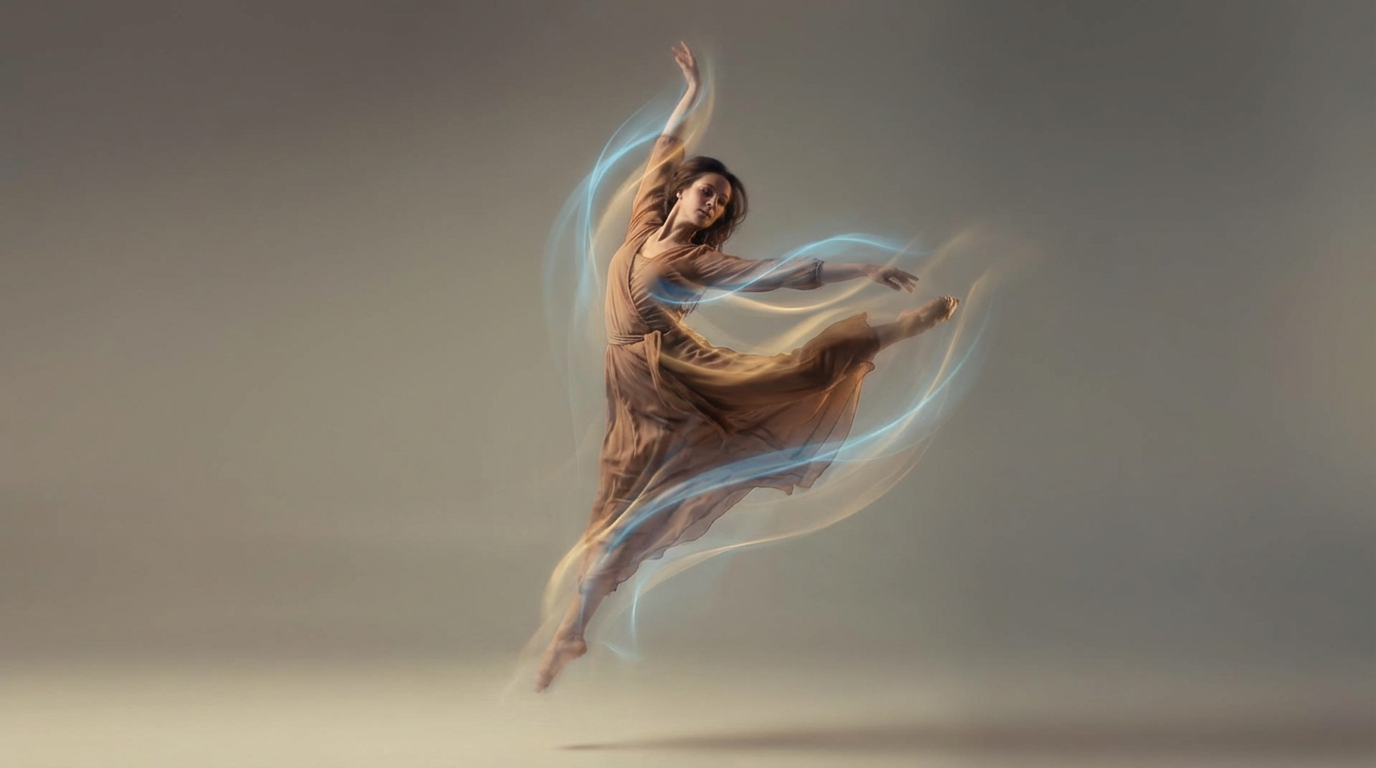
AI video generation has evolved far beyond simple visual effects or short animated loops. Today, creators expect motion that feels intentional, expressive, and visually coherent. This shift has made image-to-video workflows increasingly popular, especially for content that relies heavily on movement. In this space, kling image to video stands out for its strong motion handling and ability to transform static images into fluid video sequences.
Rather than generating video from scratch, image-to-video AI starts with an existing visual and focuses on how that image should move over time. This approach is particularly effective for performance-based content, where pose continuity, rhythm, and flow matter more than complex scene changes.
This article explores the most practical use cases of Kling image-to-video AI, with a strong focus on motion-driven content such as dance, performance, and expressive animation.
Why Image-to-Video AI Is Gaining Popularity
Image-to-video AI offers a different creative mindset compared to text-to-video. Instead of describing an entire scene, creators begin with a strong visual foundation and then animate it. This provides more control over character design, composition, and identity.
With kling image to video, creators can:
- Preserve the original character or subject
- Focus on motion rather than appearance
- Achieve smoother pose transitions
- Reduce randomness in visual output
This makes it especially appealing for creators who already have high-quality images and want to bring them to life.
Dance Videos as a Primary Use Case
One of the most prominent and effective use cases of Kling image-to-video AI is dance content. Dance relies on controlled movement, balance, and rhythm—areas where Kling performs particularly well.
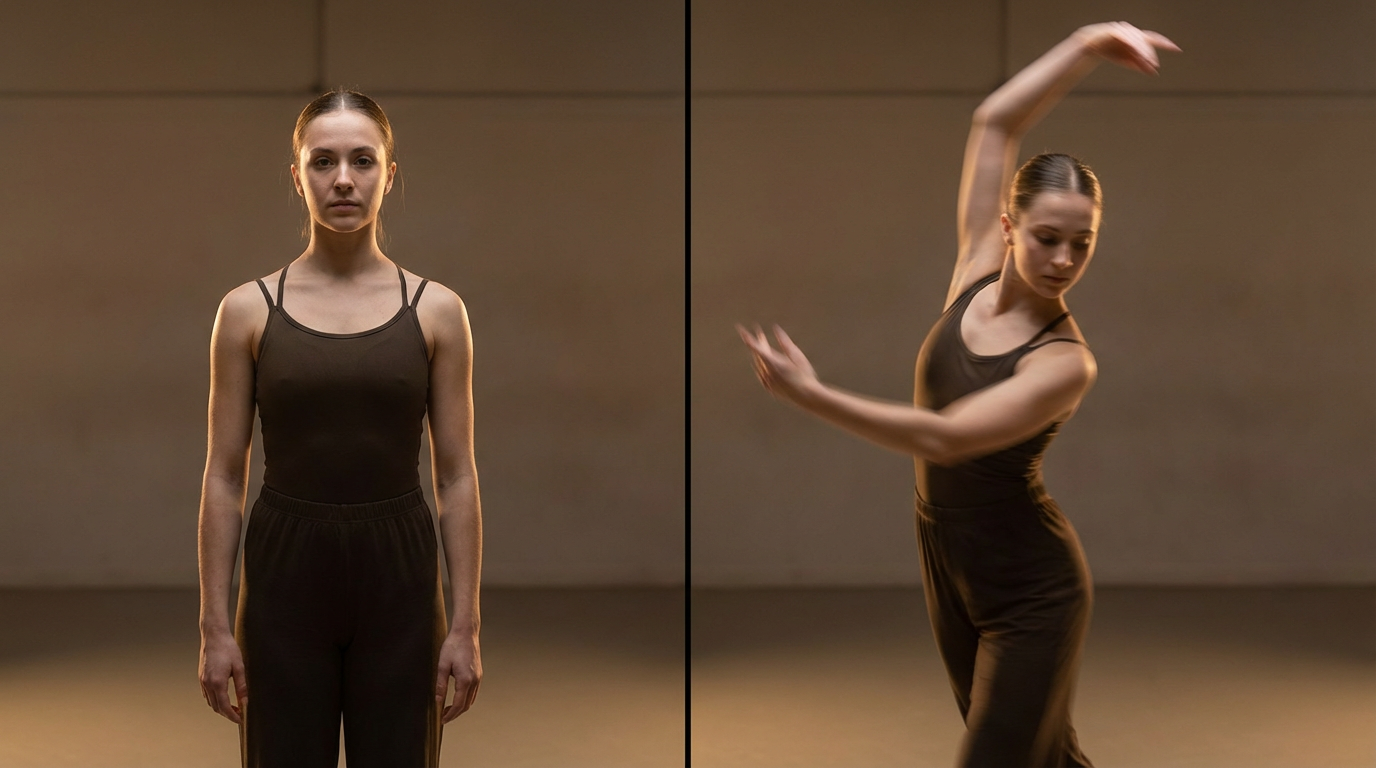
Creators often start with a still image of a dancer in a neutral or preparatory pose. Kling then animates that image into a flowing dance sequence, maintaining body proportions and pose logic throughout the motion.
Dance-related applications include:
- Contemporary dance visuals
- Ballet-inspired movement
- Stylized choreography
- Loopable dance animations
The ability to maintain smooth transitions between poses makes Kling especially suitable for this type of content.
Performance and Choreography-Based Content
Beyond traditional dance, Kling image-to-video is widely used for performance-style visuals. This includes expressive body movement, gesture-based animation, and rhythm-driven motion.
These videos are often used in:
- Music-related content
- Artistic performance clips
- Experimental visual storytelling
- Motion-based social media edits
Because Kling prioritizes motion continuity, performances feel deliberate rather than mechanically generated.
Short-Form Motion Content for Social Media
Short-form platforms reward movement that is visually engaging within seconds. Kling image-to-video excels in creating brief, loopable motion clips that capture attention quickly.
Typical short-form use cases include:
- Dance loops synced to music
- Stylized character motion
- Repetitive rhythmic movement
- AI-generated performance edits
Short sequences benefit most from Kling’s ability to maintain motion consistency over limited durations.
Character Animation from Static Images
Another practical use case is character animation. Illustrations, portraits, or concept art can be animated into subtle or expressive motion without redesigning the character.
This is useful for:
- Digital avatars
- Character teasers
- Concept demonstrations
- Stylized storytelling
Even minimal motion—such as breathing, swaying, or hand movement—adds depth and personality to static visuals.
Stylized and Artistic Motion Experiments
Kling image-to-video is not limited to realism. Many creators use it for artistic and experimental motion.
Examples include:
- Abstract movement patterns
- Surreal choreography
- Robotic or mechanical dance
- Symbolic motion-based visuals
By adjusting motion descriptors, creators can push the output toward elegance, rigidity, chaos, or softness, depending on the desired style.
Maintaining Pose and Proportion Consistency
A major challenge in AI animation is preserving pose logic as motion unfolds. Kling addresses this by maintaining consistent body proportions and spatial relationships across frames.
This is especially important for:
- Ballet and symmetrical poses
- Choreography that relies on balance
- Performance visuals with clear posture
When pose consistency is preserved, motion feels believable even if the style is slightly stylized.
Music and Rhythm-Aligned Motion
Although Kling image-to-video does not generate audio, it is often used to create visuals aligned with music. Creators match motion pacing to beats or tempo, producing rhythmically engaging videos.
Common techniques include:
- Matching prompt pacing to music tempo
- Creating loopable motion segments
- Designing repetitive yet fluid movement cycles
This approach is particularly effective for dance and performance content.
Iterative Motion Refinement
Motion-based content often improves through iteration. Rather than expecting perfect results in one pass, creators refine motion step by step.
A typical workflow includes:
- Generating a short motion clip
- Evaluating flow and balance
- Adjusting motion-related prompt language
- Regenerating with refined instructions
This iterative process allows creators to fine-tune movement without altering the original image.
Workflow Integration and Accessibility
For creators experimenting with motion-heavy content, having a repeatable workflow is essential. Eachlabs offers a prepared workflows for Kling image-to-video, allowing creators to test motion prompts, iterate on animations, and refine results in a structured environment.
This makes it easier to focus on creative decisions rather than technical setup.
Common Mistakes to Avoid
Even with a strong motion model, certain mistakes can reduce output quality.
Common issues include:
- Overloading prompts with multiple motion instructions
- Using vague movement descriptors
- Attempting long, complex animations in a single pass
- Ignoring rhythm and pacing
Clear, focused prompts almost always produce better results.
Why Kling Image-to-Video Stands Out
What sets kling image to video apart is its emphasis on motion as a core feature. Rather than treating animation as a secondary effect, Kling prioritizes how movement evolves across time.
This results in:
- Smoother motion
- Better pose continuity
- More expressive performance visuals
For creators focused on movement, this difference is immediately noticeable.
Wrapping Up
Practical use cases of Kling image-to-video AI show how motion-centered workflows are shaping the future of AI video creation. From dance and performance videos to character animation and artistic motion experiments, Kling enables creators to transform static images into expressive, fluid video content.
As audiences continue to respond to movement-driven visuals, tools that understand motion—not just imagery—will play an increasingly important role in creative production.
Frequently Asked Questions
1. What is Kling image-to-video AI best used for?
It is best used for motion-driven content such as dance videos, performance clips, and expressive character animation.
2. Why does Kling perform well with dance content?
Kling maintains motion continuity and pose consistency, which are essential for choreography and rhythmic movement.
3. Is Kling image-to-video suitable for long videos?
It performs best with short, focused sequences and loopable motion clips where consistency matters most.