How Seedance 1.0 Handles Motion Timing in AI Dance Videos
As AI video generation continues to advance, motion quality has become just as important as visual realism. In performance-based content—especially dance—timing and rhythm are critical. Even visually impressive videos can feel unnatural if movement does not align with an internal sense of tempo, balance, and flow. Seedance 1.0 bytedance represents a significant step forward in this area. Rather than focusing only on pose transitions or frame-by-frame animation, the model emphasizes motion timin
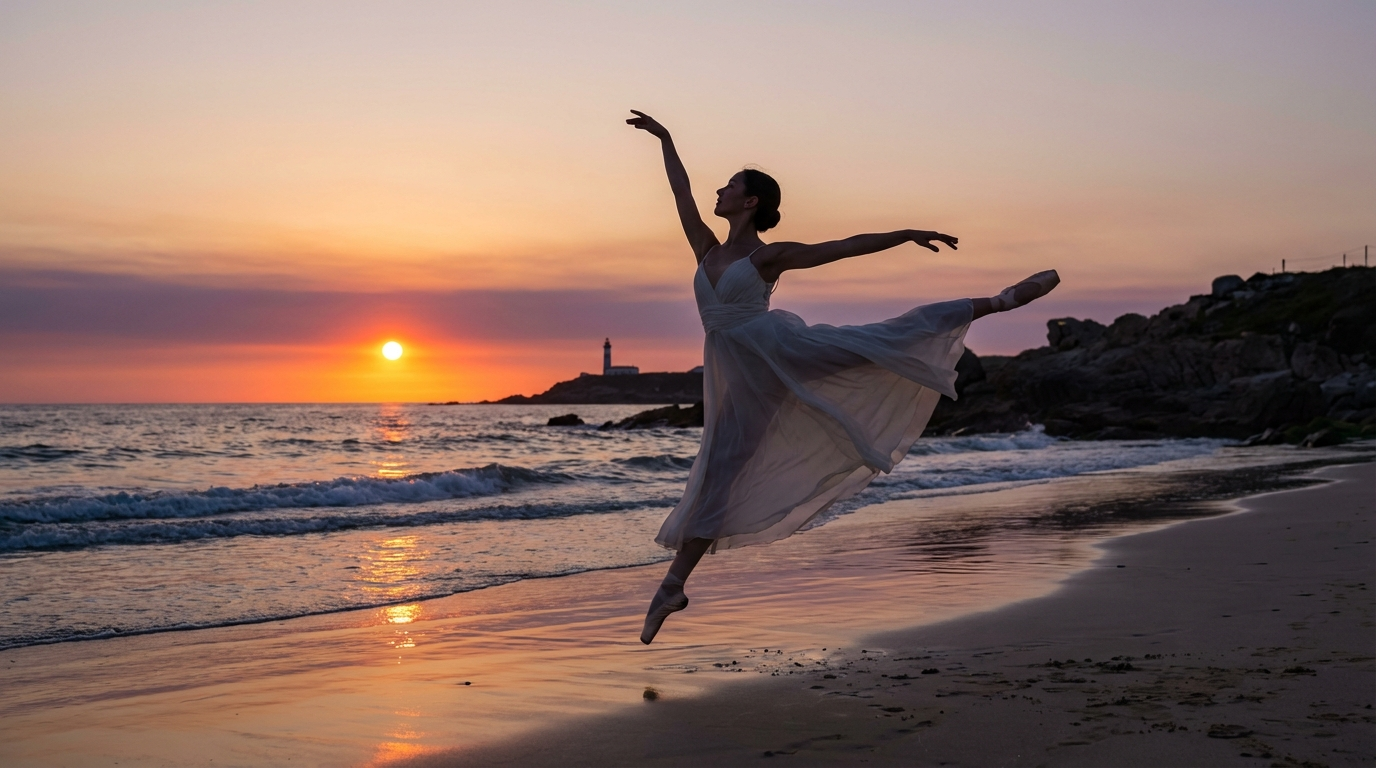
As AI video generation continues to advance, motion quality has become just as important as visual realism. In performance-based content—especially dance—timing and rhythm are critical. Even visually impressive videos can feel unnatural if movement does not align with an internal sense of tempo, balance, and flow.
Seedance 1.0 bytedance represents a significant step forward in this area. Rather than focusing only on pose transitions or frame-by-frame animation, the model emphasizes motion timing as a continuous system. This allows movements to feel intentional, rhythmic, and synchronized, resulting in AI-generated dance videos that appear fluid instead of mechanical.
In this article, we explore how Seedance 1.0 bytedance approaches motion timing and rhythm, why these elements matter so much in AI dance videos, and how creators can take advantage of the model’s strengths to produce more natural and expressive results.
Why Motion Timing and Rhythm Matter in AI Dance Videos
Dance is not just about movement—it is about when movement happens. Timing determines how weight shifts, how gestures connect, and how a performance feels emotionally. Rhythm provides structure, allowing motion to feel grounded rather than random.
In AI-generated dance videos, poor timing often leads to:
- Abrupt or robotic motion
- Inconsistent pacing
- Visual fatigue
- Loss of realism
Seedance 1.0 bytedance addresses these issues by treating motion as a rhythmic sequence rather than a collection of independent actions. This approach allows the model to generate performances that feel cohesive and musically aware, even when no explicit music track is provided.
How Seedance 1.0 Approaches Motion as a Continuous Flow
Traditional AI animation models often rely on discrete pose transitions. While this can work for simple actions, it struggles with complex performance movement such as dance, where flow and continuity are essential.
Seedance 1.0 bytedance takes a different approach. Instead of snapping between poses, it models motion as a continuous progression. Each movement is informed by the previous one, creating a sense of momentum and balance.
This results in:
- Smoother transitions between gestures
- Natural acceleration and deceleration
- More realistic weight distribution
- Reduced jitter and visual artifacts
By prioritizing temporal coherence, Seedance 1.0 maintains motion integrity across the entire sequence.
Rhythm Awareness Without Explicit Audio Input
One of the most interesting aspects of Seedance 1.0 bytedance is its ability to generate rhythmically consistent motion even without a direct audio track. Rather than syncing to sound alone, the model uses internal timing patterns to guide movement.
This allows:
- Repetitive motion cycles to feel intentional
- Looped dance sequences to remain smooth
- Gestures to align with an implied beat
When audio is introduced later in the workflow, these rhythm-aware movements often align more naturally than motion generated without timing structure.
Micro-Timing and Subtle Motion Control
Dance realism often comes from small details rather than large gestures. Micro-timing—tiny delays, pauses, and overlaps in movement—plays a major role in making motion feel human.
Seedance 1.0 bytedance demonstrates strong control over:
- Arm and hand follow-through
- Shoulder and torso delay
- Natural pauses between movements
- Smooth recovery between gestures
These subtle variations prevent motion from appearing overly symmetrical or artificial, which is a common issue in AI-generated performance content.
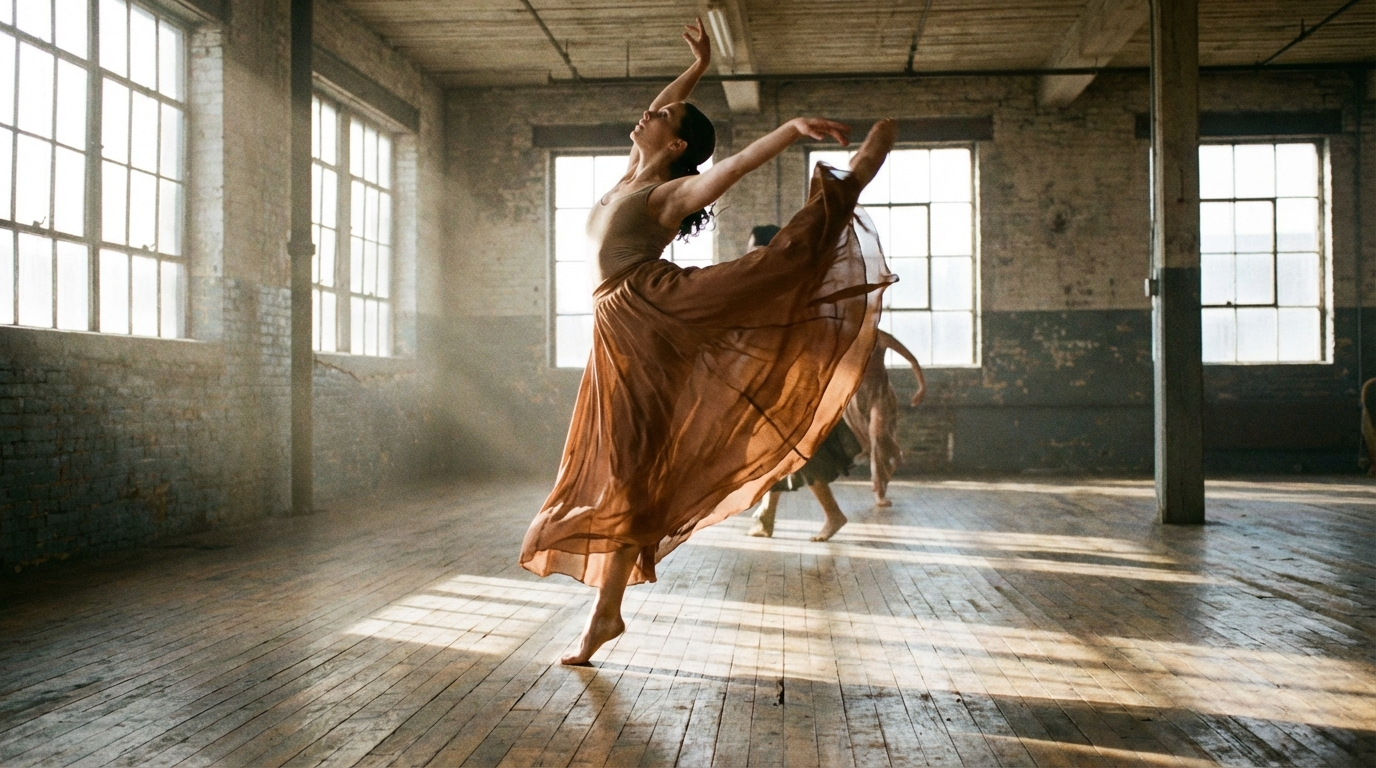
Loopable Dance Sequences and Temporal Stability
Short-form platforms and experimental visual formats frequently rely on loopable motion. Creating loops that feel seamless is challenging, as timing errors become obvious when motion repeats.
Seedance 1.0 bytedance excels in this area by maintaining consistent rhythm across cycles. The end of a sequence often naturally connects back to the beginning, making loops feel intentional rather than forced.
This is particularly valuable for:
- Short-form dance visuals
- Background motion content
- Performance studies
- Experimental choreography previews
Because motion timing remains stable, loops can repeat without noticeable breaks.
Prompting for Better Timing and Rhythm
While Seedance 1.0 bytedance handles timing well by default, prompt structure still matters. Prompts that emphasize flow, continuity, and pacing tend to produce better results than those focused only on visual description.
Effective motion prompts often include:
- Descriptions of tempo (slow, steady, flowing)
- References to continuous movement
- Avoidance of abrupt starts or stops
- Emphasis on natural rhythm
Overloading prompts with excessive visual detail can distract from motion quality. Simpler prompts often allow the model’s timing system to perform more effectively.
Creative Control Without Over-Directing
One of the strengths of Seedance 1.0 bytedance is that it does not require rigid choreography instructions to produce compelling results. Instead, it benefits from high-level guidance that defines mood and movement style.
This balance allows creators to:
- Maintain creative freedom
- Avoid mechanical-looking results
- Let rhythm emerge naturally
Rather than dictating every movement, guiding the overall energy and flow often produces more expressive performances.
Integrating Seedance 1.0 Into Creative Workflows
Seedance 1.0 bytedance fits naturally into workflows that prioritize motion experimentation and performance design. It can be used to:
- Test movement concepts
- Explore timing variations
- Prototype performance ideas
- Create visual references
For creators who want to explore motion-focused AI workflows further, Seedance 1.0 can also be explored through Eachlabs, where different prompt variations and timing behaviors can be tested in a structured environment.
Wrapping Up
Seedance 1.0 bytedance demonstrates how important motion timing and rhythm are to the future of AI-generated performance video. By treating movement as a continuous, rhythmic system rather than a sequence of isolated actions, the model produces dance videos that feel fluid, expressive, and visually cohesive.
As AI video generation evolves, timing will remain a defining factor in realism and emotional impact. Seedance 1.0 shows that when rhythm is handled correctly, AI-generated dance can move beyond novelty and become a powerful creative medium.
Frequently Asked Questions
1. What makes Seedance 1.0 bytedance different from other AI dance models?
Seedance 1.0 focuses on motion timing and rhythmic continuity rather than simple pose transitions, resulting in smoother and more natural dance performances.
2. Does Seedance 1.0 require music input to generate rhythmic motion?
No. The model can generate rhythm-aware motion even without audio, making it effective for loopable and silent performance visuals.
3. What type of dance content works best with Seedance 1.0?
Seedance 1.0 performs best with flowing, continuous movement styles and short to medium-length dance sequences where timing consistency is critical.