FLUX-TENCENT
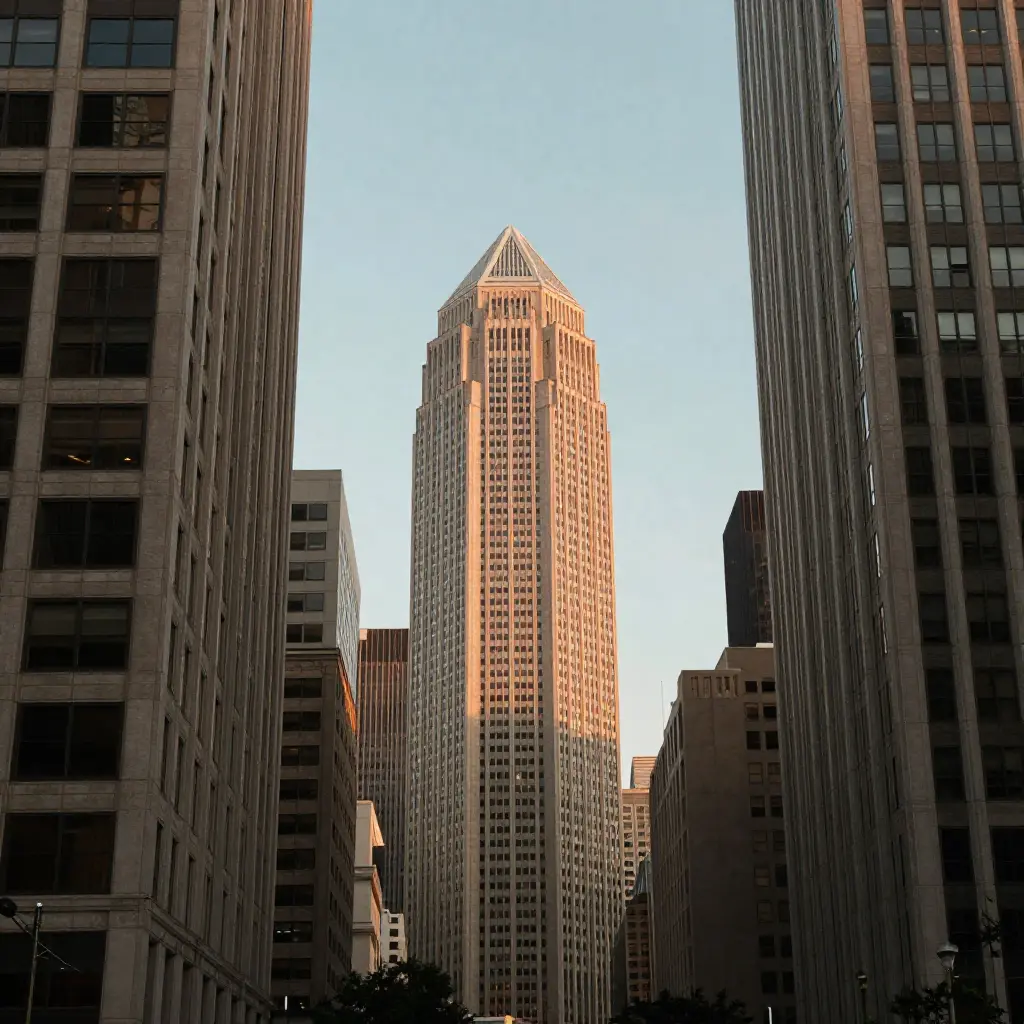
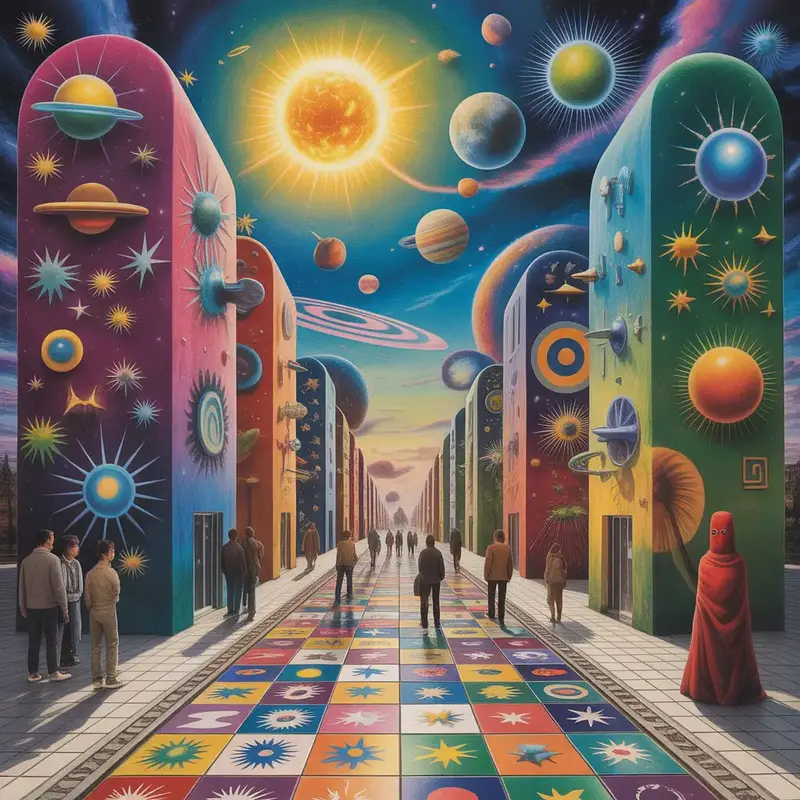
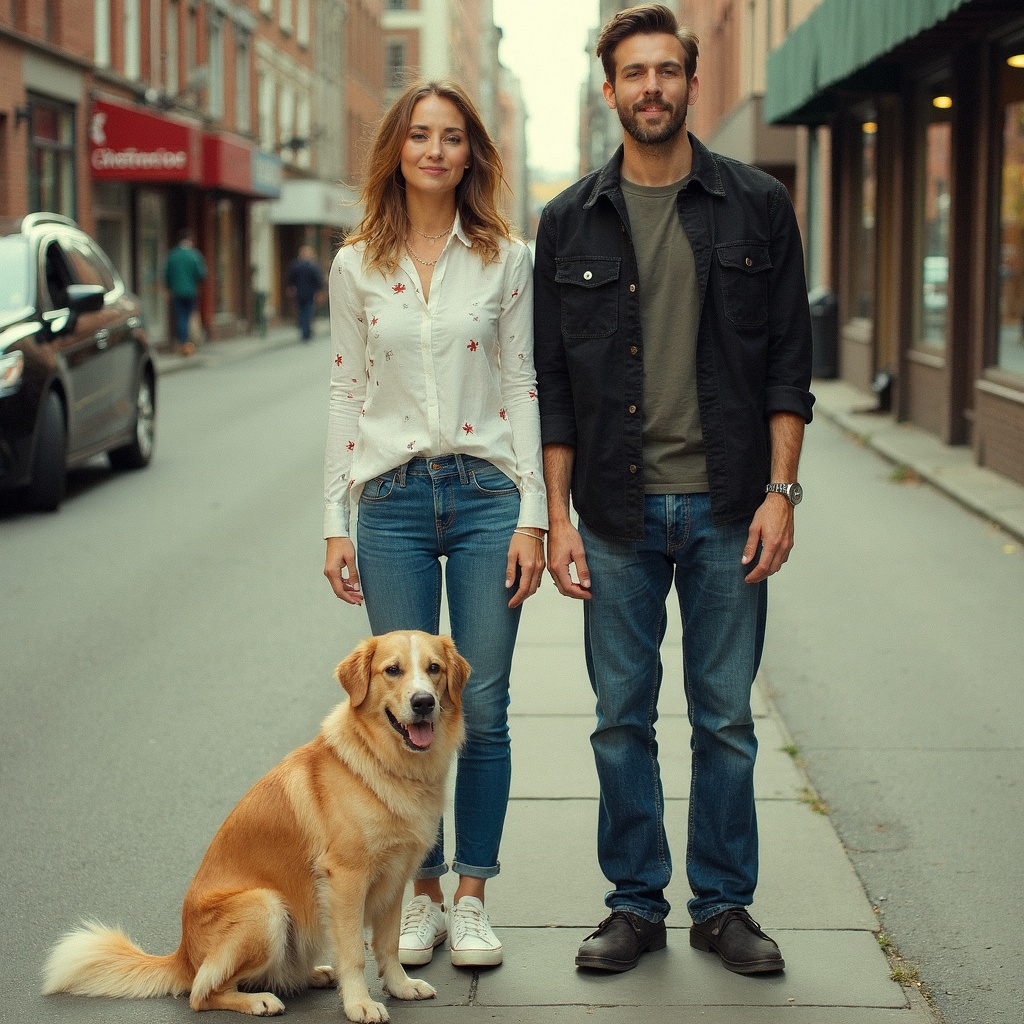
FLUX.1 SRPO [dev] is a 12B parameter image generation model built on a flow transformer architecture. It specializes in producing photorealistic and aesthetically refined visuals directly from text prompts. The model is well-suited for single-subject portraits, products, and detailed environments, delivering sharp details, balanced lighting, and natural compositions for both creative and professional workflows.
Avg Run Time: 6.000s
Model Slug: tencent-flux-srpo-image-to-image
Playground
Input
Enter a URL or choose a file from your computer.
Invalid URL.
(Max 50MB)
Output
Example Result
Preview and download your result.
API & SDK
Create a Prediction
Send a POST request to create a new prediction. This will return a prediction ID that you'll use to check the result. The request should include your model inputs and API key.
Get Prediction Result
Poll the prediction endpoint with the prediction ID until the result is ready. The API uses long-polling, so you'll need to repeatedly check until you receive a success status.
Readme
Overview
tencent-flux-srpo-image-to-image — Image-to-Image AI Model
Developed by Black Forest Labs as part of the flux-tencent family, tencent-flux-srpo-image-to-image is an advanced image-to-image AI model that transforms input images with text prompts, delivering photorealistic edits and refinements ideal for professional workflows. This 12B parameter model, built on a flow transformer architecture, excels in producing sharp details, balanced lighting, and natural compositions from source images, making it perfect for image-to-image AI model applications like product visualization and portrait enhancement. Users searching for "Black Forest Labs image-to-image" or "tencent-flux-srpo-image-to-image API" will find it stands out for its SRPO fine-tuning, which enhances aesthetic quality and prompt adherence in AI image editor API scenarios.
Technical Specifications
What Sets tencent-flux-srpo-image-to-image Apart
tencent-flux-srpo-image-to-image differentiates itself in the competitive image-to-image AI models comparison landscape through its specialized SRPO (Safety Reward Preference Optimization) fine-tuning on the FLUX.1 base, enabling superior photorealism and refined aesthetics directly from image inputs and text guidance. This allows creators to achieve professional-grade outputs without extensive post-processing, saving time in edit images with AI pipelines.
- High-resolution support up to 1024x1024: Handles image_size parameters like width: 1024, height: 768 for detailed edits, producing crisp JPEG or PNG outputs that maintain fidelity in complex scenes. This enables scalable applications from web previews to print-ready assets.
- Advanced inference controls: Features customizable num_inference_steps (e.g., 25 steps) and guidance_scale (e.g., 3.0) for precise control over edit strength and style adherence, outperforming generic models in nuanced transformations. Developers benefit from predictable, high-quality results in automated AI photo editing for e-commerce workflows.
- Flow transformer efficiency: Leverages Black Forest Labs' architecture for fast processing on API calls, supporting negative_prompt integration to avoid unwanted elements, ideal for real-time image-to-image AI model integrations. This reduces latency in production environments compared to heavier diffusion models.
These specs position tencent-flux-srpo-image-to-image as a top choice for Black Forest Labs image-to-image tasks requiring both speed and visual excellence.
Key Considerations
- The model excels with clear, descriptive prompts, especially for single-subject and product imagery
- Real-time feedback via text allows for dynamic style adjustment, reducing the need for retraining
- Training and inference are highly efficient due to Direct Align, but optimal results require high-quality prompt engineering
- Avoid overly complex or ambiguous prompts, which may reduce output quality
- Quality improves with more precise and context-rich prompts; speed may be affected by output resolution and hardware
- Iterative refinement using semantic feedback yields better results than one-shot generation
Tips & Tricks
How to Use tencent-flux-srpo-image-to-image on Eachlabs
Access tencent-flux-srpo-image-to-image seamlessly through Eachlabs' Playground for instant testing, API for production-scale image-to-image edits, or SDK for custom integrations. Provide an input image URL, text prompt, optional negative_prompt, image_size (e.g., 1024x768), num_inference_steps, and guidance_scale; receive high-quality JPEG/PNG outputs with sharp, photorealistic results in seconds.
---Capabilities
- Generates highly photorealistic and aesthetically pleasing images from text prompts
- Excels at single-subject portraits, product photography, and detailed environmental scenes
- Supports real-time style adjustment via semantic feedback
- Produces sharp details, balanced lighting, and natural compositions
- Efficient training and inference, with minimal data requirements for fine-tuning
- Robust against reward hacking and overfitting to color or saturation preferences
What Can I Use It For?
Use Cases for tencent-flux-srpo-image-to-image
E-commerce marketers can upload product photos and apply prompts to stage items in new environments, such as transforming a plain white sneaker image into "the sneaker on a rainy urban street with neon reflections, photorealistic lighting." The model's SRPO tuning ensures accurate details and natural integration, streamlining AI photo editing for e-commerce without photoshoots.
Graphic designers building portfolios use it for edit images with AI on client portraits, refining poses or backgrounds via inputs like source image plus "enhance to professional headshot with soft studio lighting and neutral gray backdrop." High-resolution outputs and guidance scale controls deliver polished, compositionally balanced results for print or digital use.
Developers integrating tencent-flux-srpo-image-to-image API create custom apps for social media filters, feeding user selfies with prompts for style transfers like "convert to cyberpunk aesthetic with glowing neon accents and sharp details." Customizable inference steps ensure consistent quality across diverse inputs in high-volume AI image editor API deployments.
Content creators enhance stock imagery for videos or ads by editing environments, leveraging negative prompts to remove distractions while preserving subject integrity—perfect for rapid iteration in creative pipelines.
Things to Be Aware Of
- Some experimental features, such as dynamic semantic feedback, may behave unpredictably in edge cases
- Users report occasional inconsistencies in style transfer when prompts are ambiguous or conflicting
- Performance benchmarks indicate high efficiency, but resource requirements increase with output resolution
- Model is licensed for non-commercial use; check licensing terms before deploying in commercial workflows
- Positive feedback highlights realism, speed, and adaptability; users appreciate the ease of iterative refinement
- Common concerns include occasional over-smoothing or loss of detail in complex scenes
- Community discussions note the importance of prompt clarity and iterative feedback for optimal results
Limitations
- May not perform optimally for multi-subject or highly abstract compositions
- Resource-intensive at very high resolutions; requires substantial GPU memory for best performance
- Some edge cases in style transfer and semantic feedback may produce inconsistent results
Pricing
Pricing Type: Dynamic
Charge $0.025 per image generation
Pricing Rules
| Parameter | Rule Type | Base Price |
|---|---|---|
| num_images | Per Unit Example: num_images: 1 × $0.025 = $0.025 | $0.025 |
Related AI Models
You can seamlessly integrate advanced AI capabilities into your applications without the hassle of managing complex infrastructure.
Wan 2.6 Image-to-Image transforms input images with precise, high-quality edits while maintaining visual consistency.
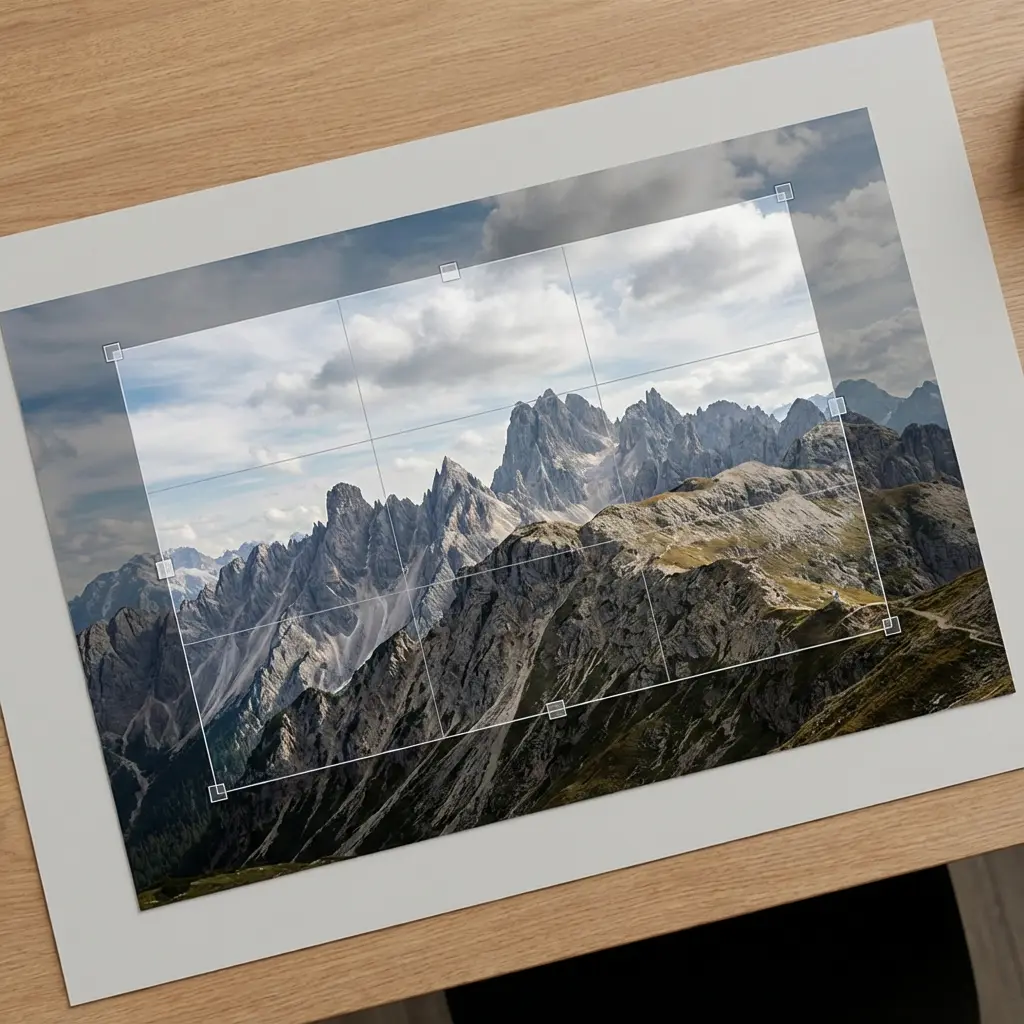
A utility endpoint that crops images efficiently for workflow processing, enabling precise framing and clean image preparation.
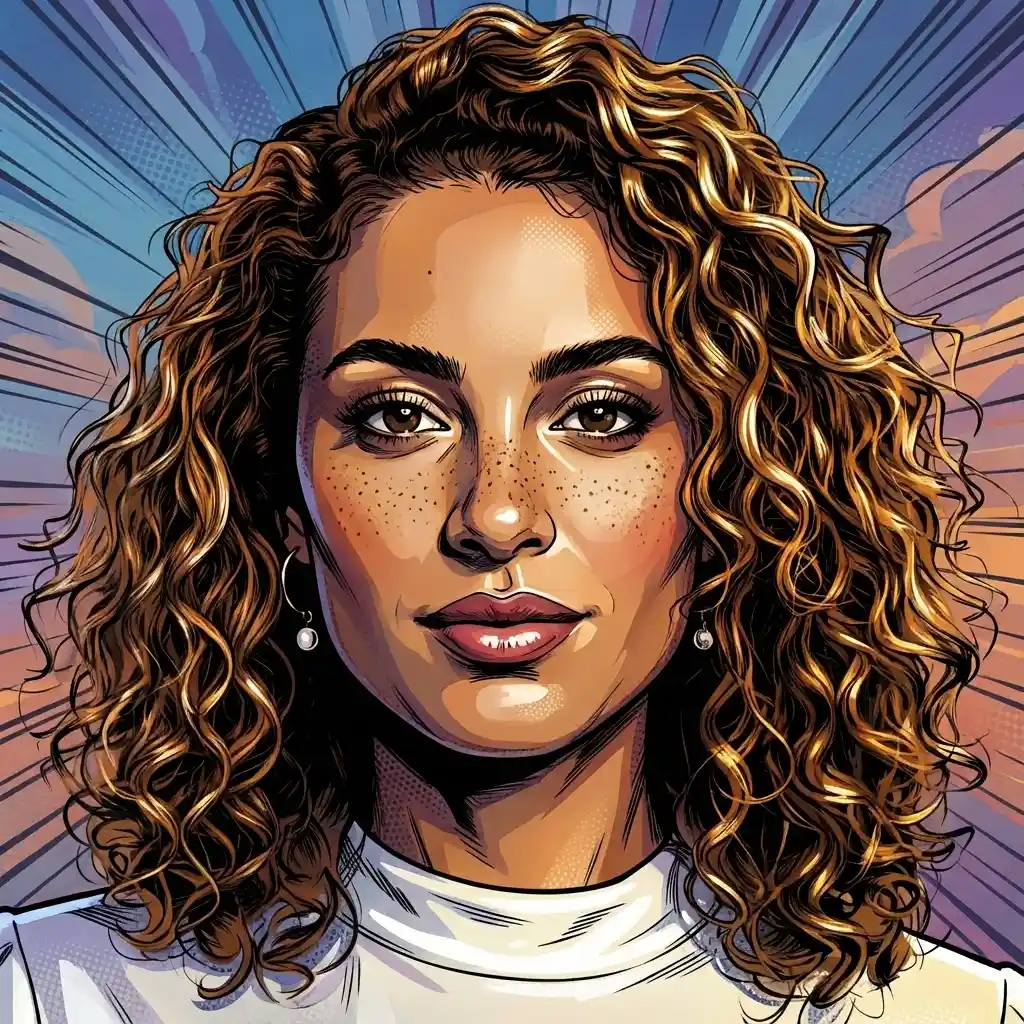
Converts the entire image into bold comic art while keeping the subject’s identity and scene details intact.
Generates images from text combined with edge, depth, or pose inputs using custom LoRA and Tongyi-MAI’s ultra-fast 6B Z-Image Turbo model for fast, high-quality, and controllable image creation.