
zhipu-ai/z-image
Generate stunning visuals with Z-Image. A powerful text-to-image model excelling in Asian aesthetics and complex scenes.Models
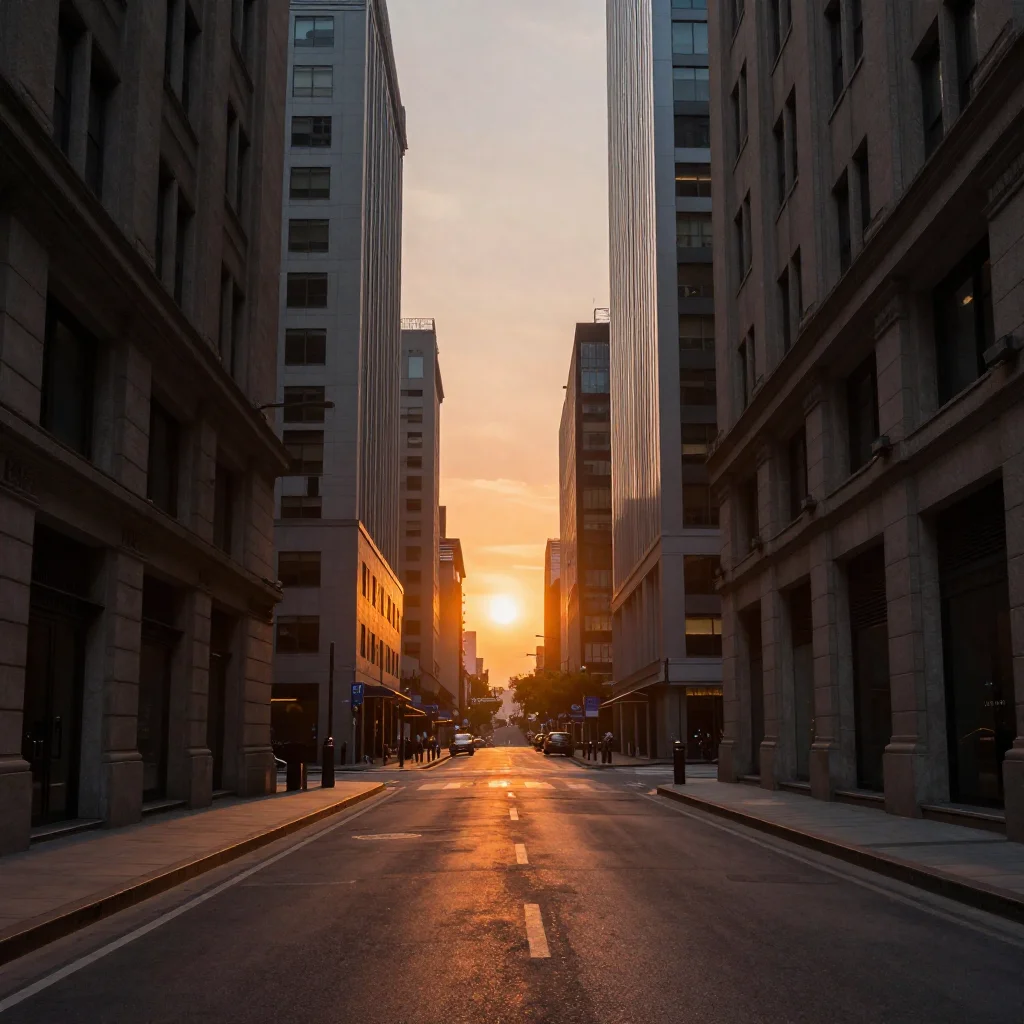
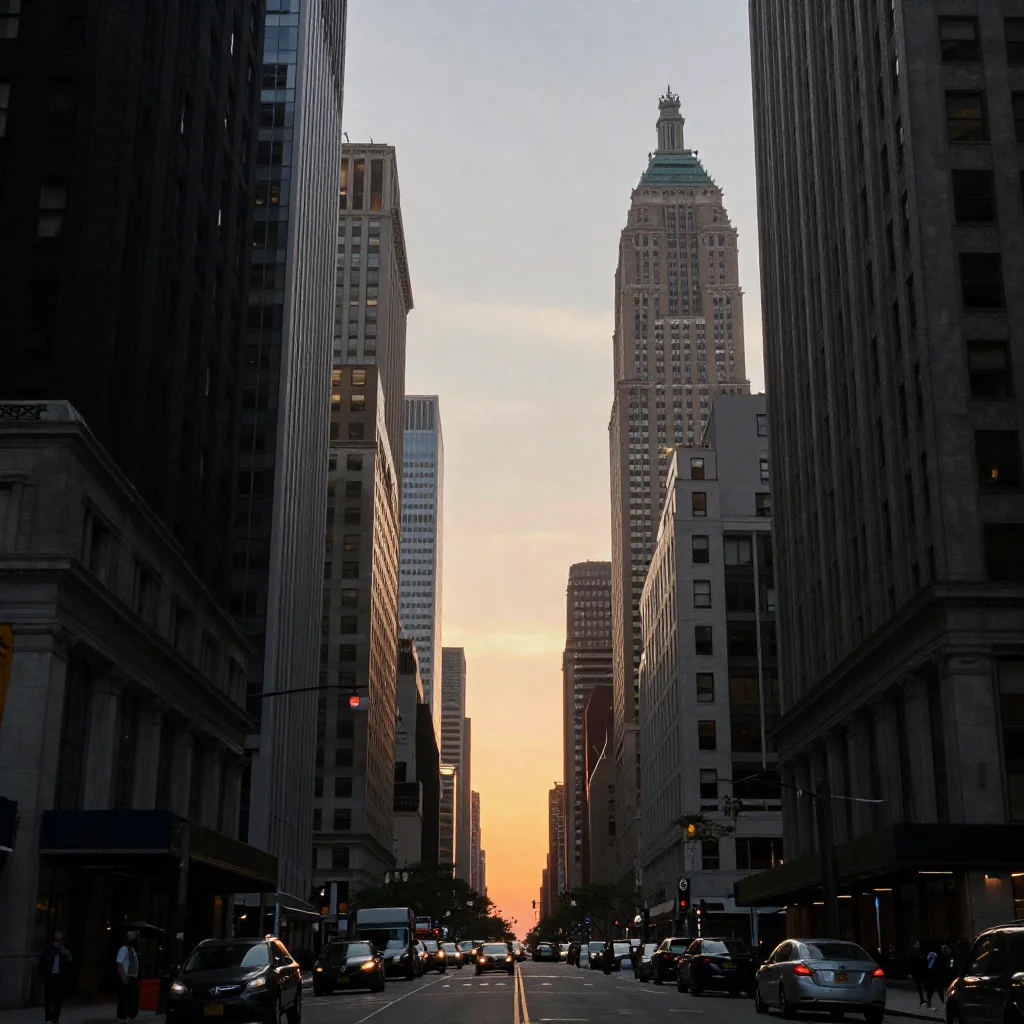
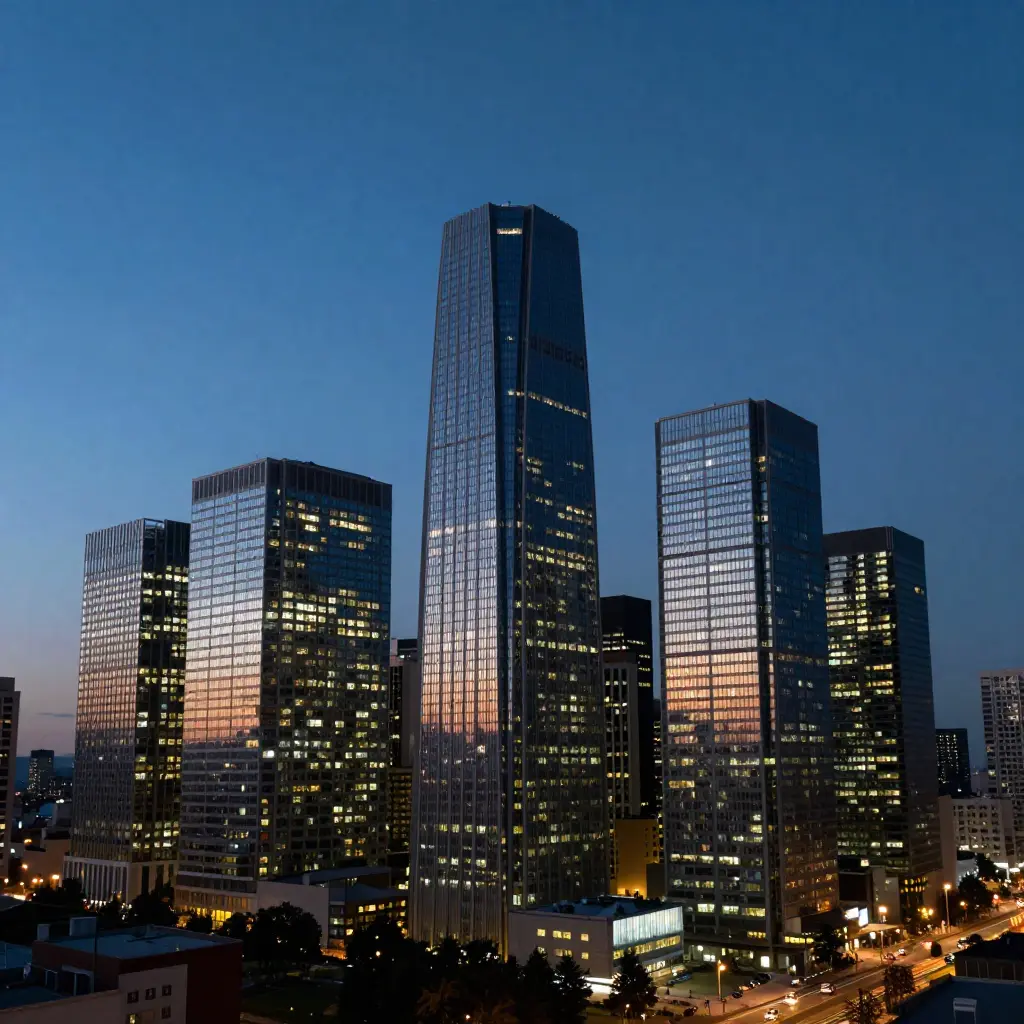
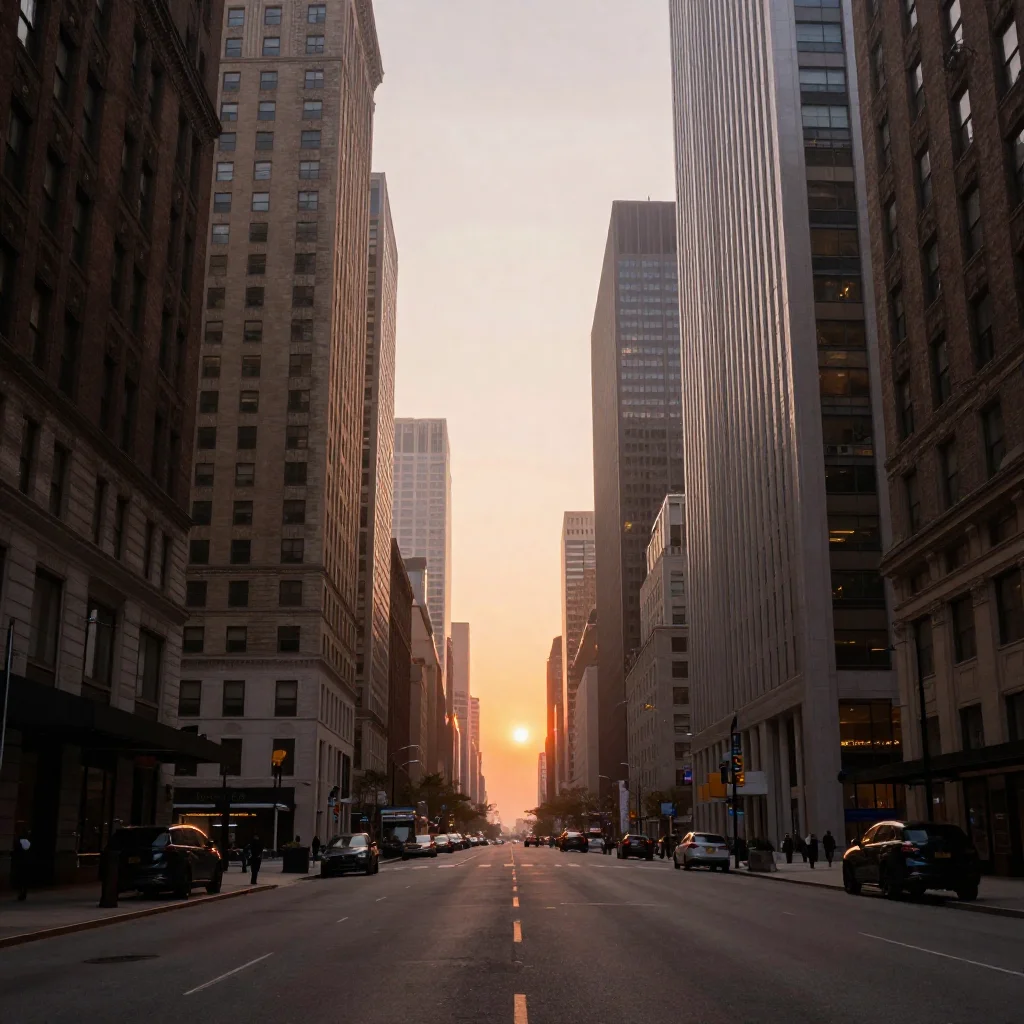
Readme
z-image by Zhipu AI — AI Model Family
The z-image family from Zhipu AI represents a cutting-edge suite of AI models specialized in generating stunning visuals from text and images, with a strong emphasis on Asian aesthetics and complex scene rendering. Launched as part of Zhipu AI's expanding multimodal capabilities, this family addresses the need for high-quality, culturally nuanced image generation in applications like digital art, marketing visuals, and creative design. It includes 8 specialized models across training, text-to-image, image-to-image, and control-based categories, enabling developers and creators to build versatile pipelines for professional-grade outputs. Powered by Zhipu AI's expertise in large-scale training—exemplified by their GLM series innovations—this family leverages efficient architectures trained on massive datasets, including a notable 9B parameter image model developed without NVIDIA hardware.
z-image Capabilities and Use Cases
The z-image family offers targeted models for diverse image generation workflows, from foundational training to advanced controlnet applications. Here's a breakdown of the key models and their practical applications:
- Z Image | Trainer (Training): Ideal for fine-tuning custom datasets, this model serves as the base for adapting z-image to specific styles or domains, such as training on proprietary Asian art collections.
- Z Image | Turbo | Lora (Text to Image): Excels in rapid text-to-image generation with LoRA efficiency, perfect for quick prototyping of concepts like "a serene Japanese garden at cherry blossom peak with misty mountains."
- Z Image | Turbo | Image to Image | Lora (Image to Image): Enhances existing images via LoRA adaptations, useful for stylizing user-uploaded photos into anime-inspired renders.
- Z Image | Turbo | Controlnet | Lora (Image to Image): Adds precise pose or edge control with LoRA, enabling scenarios like converting a sketch into a detailed portrait while maintaining structural fidelity.
- Z Image | Turbo | Controlnet (Image to Image): Provides robust controlnet for edge detection and depth mapping, suited for architectural visualizations from rough blueprints.
- Z Image | Turbo | Image to Image (Image to Image): Core image-to-image transformation for seamless edits, such as aging a portrait or altering environments.
- Z Image | Turbo | Text to Image (Text to Image): High-speed text-to-image for dynamic content creation, like generating "a bustling Shanghai night market with neon lights and street food vendors" for social media campaigns.
These models shine in pipeline workflows: Start with Z Image | Turbo | Text to Image for initial concept generation, refine via Z Image | Turbo | Image to Image, and add precision with Z Image | Turbo | Controlnet for production-ready results. For example, a designer could chain them: Input prompt "ancient Chinese warrior in epic battle pose," generate base image, then apply controlnet to match a reference pose from a photo. While specific resolutions aren't detailed publicly, the family's Turbo variants prioritize speed and consistency, supporting efficient inference suitable for real-time apps, drawing from Zhipu AI's hardware-optimized training on Huawei Ascend chips.
What Makes z-image Stand Out
z-image distinguishes itself through Zhipu AI's focus on efficient, high-fidelity generation tailored for complex scenes and Asian aesthetics, setting it apart in a crowded text-to-image landscape. Key strengths include Turbo optimizations for low-latency outputs, LoRA integrations for lightweight customization without full retraining, and Controlnet support for granular control over poses, edges, and compositions—ideal for consistent character design or scene extensions. The family's foundation in Zhipu AI's multimodal expertise, including a 9B parameter model trained entirely on Huawei Ascend 910C chips, ensures robust performance without reliance on traditional GPU stacks, enabling cost-effective scaling.
Users praise its consistency in rendering intricate details like intricate patterns in traditional attire or dynamic crowd scenes, outperforming in cultural relevance where Western models often falter. Speed is a hallmark: Turbo models deliver rapid iterations, making them perfect for iterative creative processes. This family suits digital artists, game developers, marketers targeting Asian markets, and AI researchers needing controllable, aesthetically precise visuals. Its versatility across training and inference stages supports end-to-end workflows, from dataset preparation with the Trainer to polished Controlnet outputs.
Access z-image Models via each::labs API
each::labs is the premier platform for seamlessly accessing the full z-image family through a unified API, empowering developers to integrate these powerful models without infrastructure hassles. All 8 models—from Z Image | Trainer to advanced Turbo Controlnet variants—are available in one endpoint, streamlining deployment for text-to-image, image-to-image, and hybrid pipelines. Experiment instantly in the interactive Playground, prototype with comprehensive SDKs for Python, JavaScript, and more, or scale to production with reliable inference.
Sign up to explore the full z-image model family on each::labs and unlock Zhipu AI's visual generation potential today.