
Z Image | Turbo | Text to Image
Z-Image Turbo is an ultra-fast 6B-parameter text-to-image model developed by Tongyi-MAI, designed for rapid and high-quality image generation.
- Runtime (p50)
- 1s
- Estimated price
- $0.005 per megapixel per image
Overview
z-image-turbo-text-to-image — Text-to-Image AI Model
Developed by Zhipu AI as part of the z-image family, z-image-turbo-text-to-image is an ultra-fast 6B-parameter text-to-image AI model that generates photorealistic images in sub-second latency on high-end GPUs, solving the need for rapid, high-quality visuals in real-time applications like e-commerce and content creation. Z-Image-Turbo excels in bilingual text rendering for English and Chinese, producing legible text within images that most models struggle with, while fitting in just 16GB VRAM for accessible deployment. This Zhipu AI text-to-image solution delivers strong prompt adherence and aesthetic quality at 1024x1024 resolution in as little as 8-9 sampling steps, making it ideal for developers seeking a z-image-turbo-text-to-image API with minimal compute demands.
Capabilities
- Excels in rapid photorealistic image generation with refined lighting, clean textures, and balanced composition at 6B scale
- Strong bilingual text rendering (English/Chinese) with precise alignment and typography in posters or graphics
- High prompt adherence and semantic reasoning for real-world subjects, culturally grounded concepts, and logical instructions
- Versatile across resolutions up to 4MP and aspect ratios; supports batch generation for quick variations
- Technical strengths include ultra-efficient S3-DiT architecture enabling sub-second inference and local runs on consumer hardware
Use cases
Use Cases for z-image-turbo-text-to-image
Content creators building dynamic visuals for social media can use z-image-turbo-text-to-image's bilingual text rendering to generate promotional banners with overlaid English-Chinese slogans, ensuring legibility and photorealism without manual compositing—perfect for global campaigns.
E-commerce developers integrating a Zhipu AI text-to-image API leverage its sub-second latency to auto-generate product mockups from prompts like "a sleek smartphone on a wooden table with Chinese product specs in elegant font, soft studio lighting," streamlining catalog expansion without photographers.
Game designers experiment with rapid iteration by prompting expressive characters in diverse scenes, benefiting from strong prompt adherence and low VRAM needs to test assets on standard hardware during prototyping.
Marketers targeting bilingual audiences create custom visuals for ads, using the model's efficiency to produce high-quality 1024x1024 images on-the-fly for A/B testing in real-time tools.
Tips & tricks
How to Use z-image-turbo-text-to-image on Eachlabs
Access z-image-turbo-text-to-image seamlessly on Eachlabs via the Playground for instant testing with text prompts (English/Chinese/mixed), or integrate the API/SDK for production apps specifying width/height (default 1024x1024) and parameters like steps. Generate photorealistic RGB images with bilingual text support in seconds, downloading high-quality outputs directly—optimized for fast, scalable text-to-image workflows.
---Technical spec
What Sets z-image-turbo-text-to-image Apart
z-image-turbo-text-to-image stands out in the text-to-image AI model landscape with its distilled 6B-parameter architecture using a Scalable Single-Stream DiT (S3-DiT), enabling sub-second inference on enterprise H800 GPUs and fitting within 16GB consumer VRAM—far more efficient than dual-stream competitors. This low-latency design empowers developers to integrate rapid image generation into apps without heavy hardware, processing 1024x1024 images in ~4-9 seconds on RTX GPUs.
Unlike many models, it renders accurate bilingual text in complex English-Chinese prompts directly in images, maintaining photorealism and instruction adherence. Users benefit from reliable text-in-image outputs for multilingual marketing visuals or signage designs, reducing post-editing needs.
It supports common resolutions like 1024x1024 natively (up to 2048x2048 with more compute) and RGB 8-bit outputs, with input via text prompts in Chinese, English, or mixed. For Zhipu AI text-to-image workflows, this means versatile, fast generation at low VRAM, outperforming bulkier alternatives in speed tests.
- Sub-8 NFEs for ultra-fast photorealistic generation, ideal for real-time text-to-image AI model APIs.
- Superior bilingual text rendering, enabling precise Chinese-English labels in scenes.
- Low VRAM footprint (~6-16GB), runnable on mid-range GPUs for 1024px+ outputs.
Things to be aware of
- Users highlight extreme speed as a standout, with local runs on 24GB GPUs delivering impressive quality for casual prompts without heavy engineering
- Benchmarks confirm top performance in batch generation (e.g., 100 images in 4:39 min), outpacing competitors by 2-4x
- Resource needs: Fits 16GB VRAM but may peak at 24GB unoptimized; quantization variants (FP8, GGUF) aid efficiency
- Positive feedback centers on natural language prompt handling and photorealism trade-off for local speed
- Community notes good consistency in composition and lighting, even at low steps, though minor artifacts appear in complex details
- Some reviews mention variability in fine textures versus larger models, but praise throughput for production use
Key considerations
- Prioritize fewer steps (1-4) for thumbnails or rapid iteration, reserving 8 steps for higher quality final assets to balance speed and detail
- Use detailed, natural language prompts for best adherence; enable optional prompt expansion for brief inputs to add descriptive richness
- Account for hardware: Requires 16GB+ VRAM for smooth local runs; optimize quantization (e.g., FP8, GGUF) on consumer setups to reduce memory use
- Trade-offs include reduced detail fidelity versus larger models; ideal for volume over photorealistic perfection
- Avoid overly complex scenes with intricate details, as speed optimizations may simplify textures or compositions in edge cases
Limitations
- Trades maximum detail fidelity and sophisticated prompt nuance for speed, underperforming larger models in highly intricate or nuanced scenes
- Best at 8-9 steps; lower steps yield thumbnails with simplified details, not suitable for final high-fidelity assets
- Memory and optimization sensitivity on lower-end hardware may require quantization tweaks for peak performance
Related models
4 models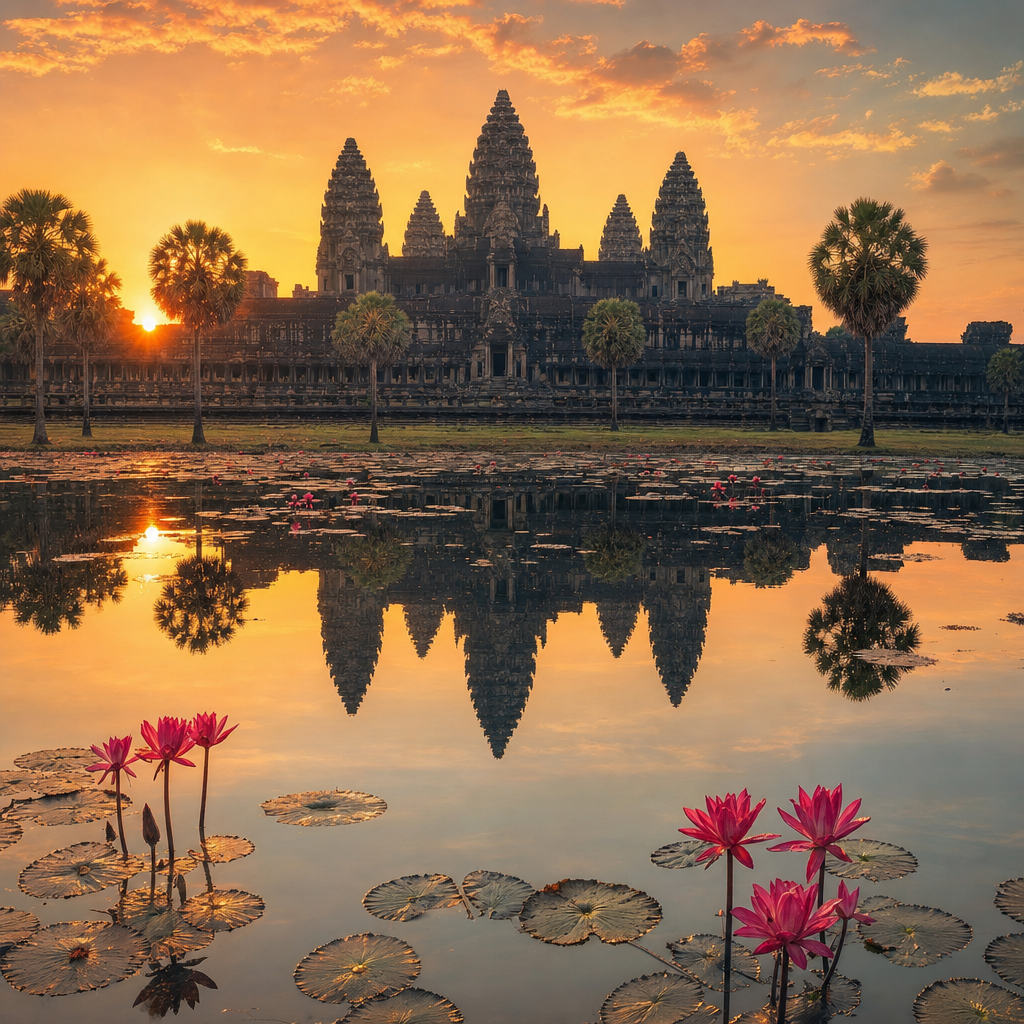
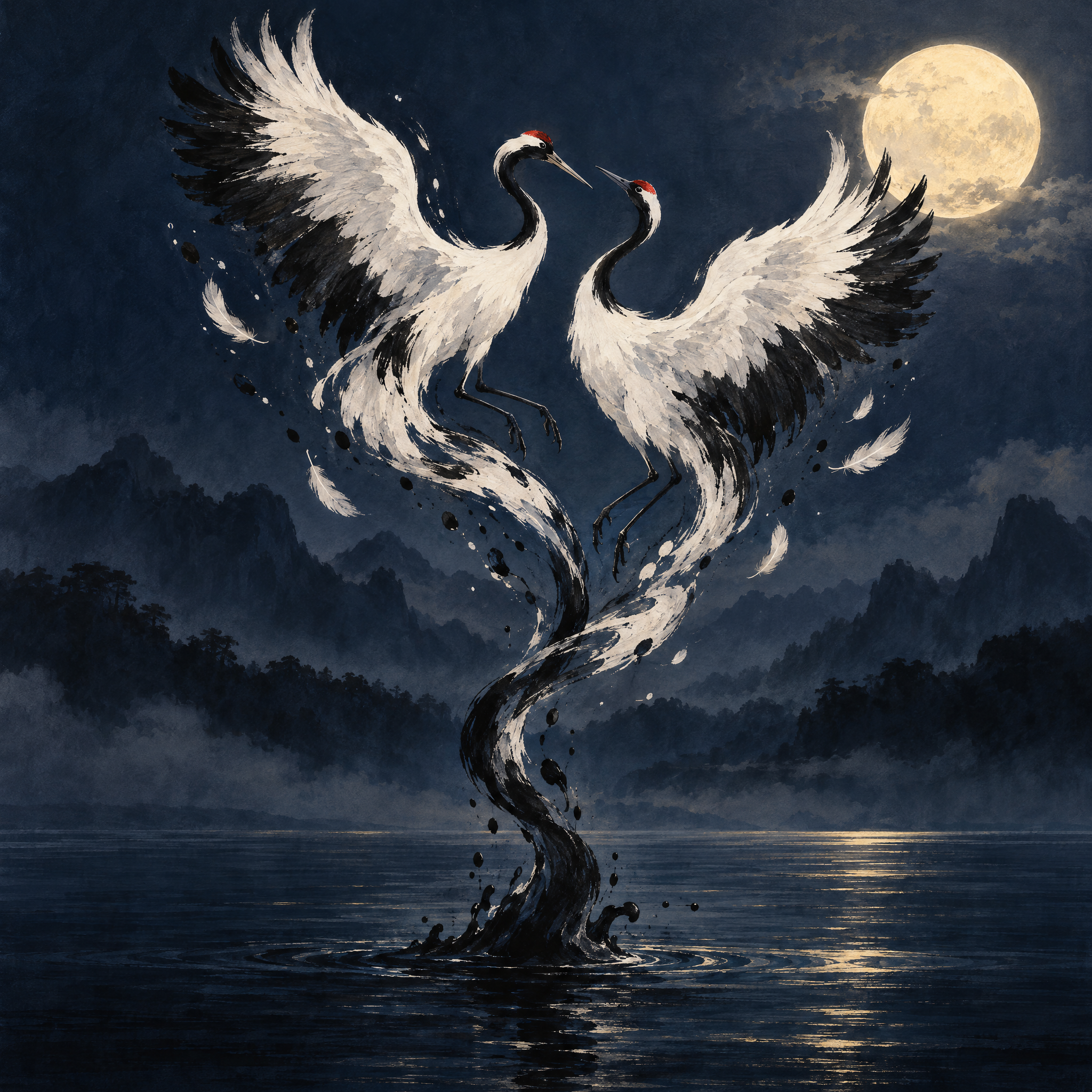
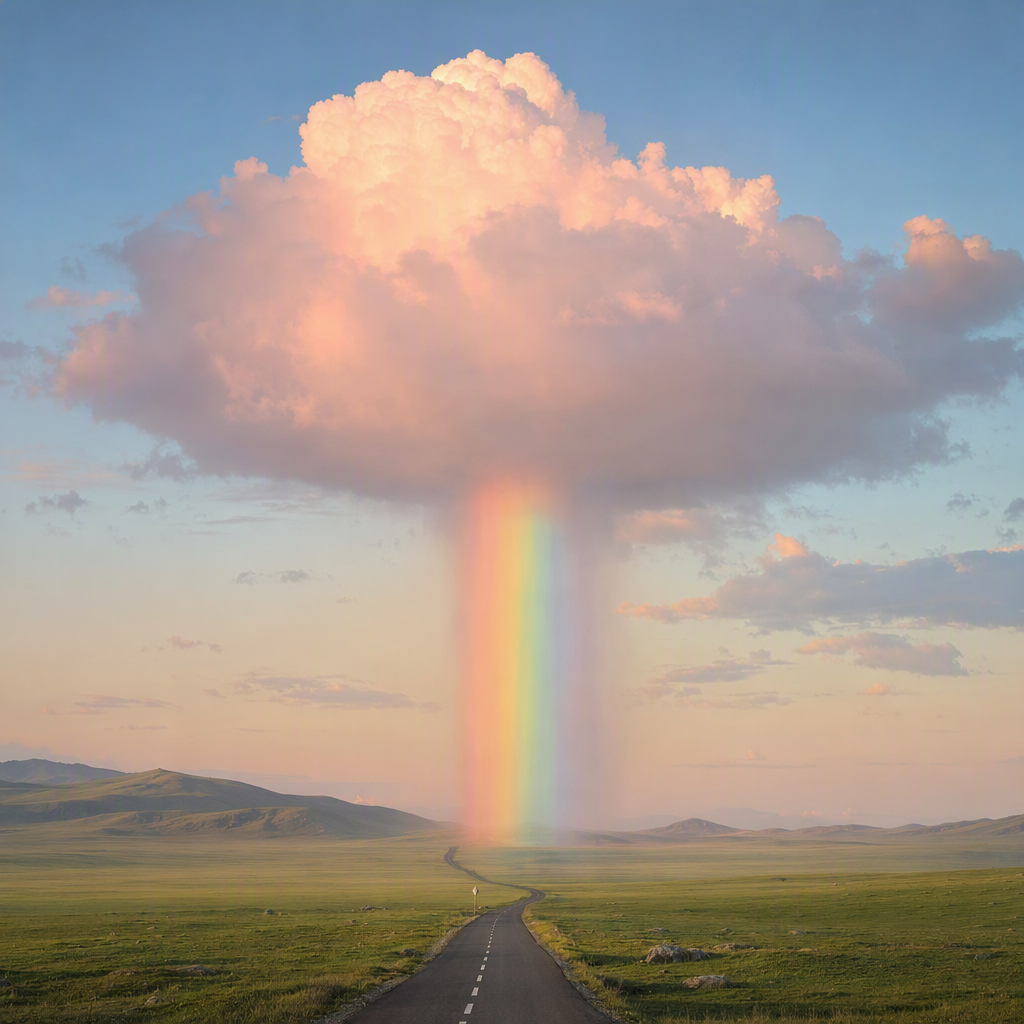

About Z Image | Turbo | Text to Image
What is Zhipu AI Z-Image Turbo Text to Image?
Zhipu AI Z-Image Turbo Text to Image is a fast text-to-image generation model by Zhipu AI. It converts detailed natural language prompts into high-quality images with accelerated inference speed, making it suitable for high-throughput visual content generation across diverse styles and subjects.