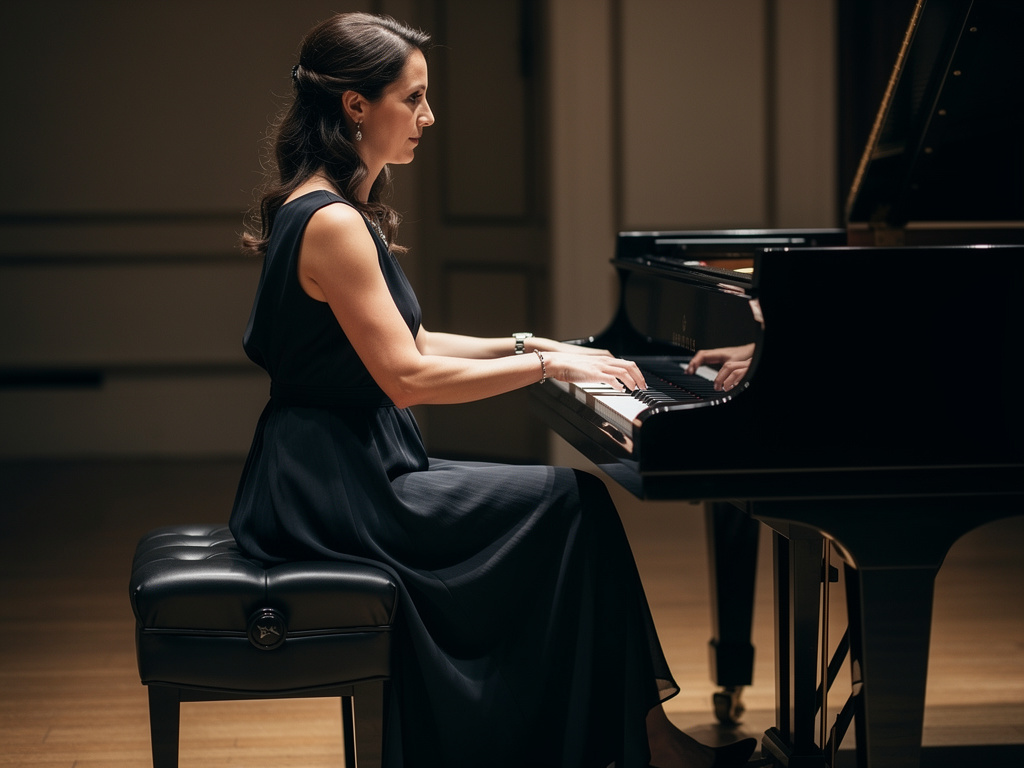
Flux 2 | Max | Text to Image
FLUX.2 [max] delivers cutting-edge image generation and advanced editing with exceptional realism, precision, and consistency.
- Runtime (p50)
- 35s
- Estimated price
- $0.07–$0.10 per image, depending on image size
Overview
flux-2-max-text-to-image — Text-to-Image AI Model
Developed by Black Forest Labs as part of the FLUX.2 family, flux-2-max-text-to-image is a production-grade text-to-image model engineered for creators who demand photorealistic quality without compromise. This model solves a critical problem in professional image generation: translating complex creative briefs into visually accurate, detailed outputs that maintain consistency across iterations and editing tasks. Unlike faster variants in the FLUX.2 lineup, flux-2-max-text-to-image prioritizes raw visual fidelity, rendering intricate details—skin textures, fabric weaves, lighting precision, and architectural complexity—with a level of photorealism that sets it apart in the competitive landscape of AI image generation. The model excels at understanding nuanced prompts and maintaining brand-aligned control through hex-code color steering and flexible aspect ratios, making it ideal for commercial workflows where repeatability and quality are non-negotiable.
Capabilities
- Exceptional photorealism at scale, with real-world lighting, physics, and up to 4MP resolution eliminating typical AI artifacts
- Strongest prompt following for complex instructions, accurately handling composition, styles, materials, and relationships
- Advanced image editing with highest consistency in retexturing, character preservation (faces, proportions, expressions), and spatial reasoning
- Grounded generation integrating real-time web context for current events, products, or trends without manual sourcing
- Superior text rendering: Long sentences, punctuation, case-sensitive typography, ideal for logos, posters, and infographics
- Multi-reference support for consistent outputs across scenes, styles, and edits; versatile style transfer and pose control
Use cases
Use Cases for flux-2-max-text-to-image
High-end commercial photography and product visualization: Marketing teams and e-commerce platforms can use flux-2-max-text-to-image to generate photorealistic product compositions without studio shoots. For example, a user might prompt: "luxury watch on a mahogany desk with morning sunlight, shallow depth of field, professional product photography" — and receive campaign-ready imagery with precise lighting and detail that rivals professional photography.
Cinematic concept art and visual effects: Designers and creative directors leverage flux-2-max-text-to-image for rapid iteration on complex scenes, from architectural visualization to character environments. The model's superior prompt adherence and texture fidelity enable faithful translation of creative briefs into polished, production-ready assets.
Automated batch image generation for content platforms: Developers building AI-powered content generation systems benefit from flux-2-max-text-to-image's batch-stable architecture and seed control, which ensure consistent quality across thousands of generated images. This is particularly valuable for platforms requiring reliable, repeatable outputs at scale.
Brand-aligned visual content creation: In-house creative teams use flux-2-max-text-to-image's hex-code color steering and flexible aspect ratios to maintain strict brand guidelines across diverse content formats—social media, print, web—without manual color correction or resizing workflows.
Tips & tricks
How to Use flux-2-max-text-to-image on Eachlabs
Access flux-2-max-text-to-image through Eachlabs via the interactive Playground or programmatically through the API and SDK. Provide a text prompt describing your desired image, optionally include up to 10 reference images for style or composition guidance, and specify your preferred resolution (up to 4MP) and aspect ratio. The model outputs high-quality images in standard formats, optimized for immediate use in production workflows. Seed-based generation enables reproducible results for batch operations and iterative refinement.
---END---Technical spec
What Sets flux-2-max-text-to-image Apart
Photorealistic detail rendering: flux-2-max-text-to-image renders complex textures and lighting with exceptional accuracy, delivering studio-grade quality suitable for high-end commercial photography and cinematic visuals. This capability eliminates the need for extensive post-processing or reshoots, saving production time and cost.
Batch-stable, seed-controlled generation: The model is tuned for repeatable results across large workloads, supporting seed-based reruns that allow you to reproduce exact outputs or explore controlled variations without manual parameter tuning. This makes flux-2-max-text-to-image particularly valuable for automated pipelines and high-throughput production environments.
Advanced multi-reference editing with character consistency: flux-2-max-text-to-image supports up to 10 input images for reference-based composition, maintaining consistent character appearance and style across multiple generations. This unified generation-and-editing architecture enables seamless image transformation with natural language instructions.
Technical specifications:
- Resolution: Up to 4MP output with custom resolutions up to 2048 pixels per side
- Aspect ratios: Any ratio supported, from square to cinematic widescreen
- Input: Minimum 64x64 resolution; supports up to 10 reference images
- Advanced controls: Hex color matching, pose guidance, structured prompting, and grounding search for context-aware visuals
Things to be aware of
- Experimental grounded generation shines with real-time info but requires application-layer context injection for best factual accuracy
- Known quirks: Excels in complex multi-reference edits where other variants fail, but hit/miss ratio improves with detailed prompts
- Performance considerations: Delivers professional-grade speed for quality-focused tasks; consistent across editing types per benchmarks
- Resource requirements: Handles high-res (4MP) natively, suitable for demanding workflows but optimized for serverless deployment
- Consistency factors: Unmatched in preserving identities/objects across outputs, noted in community feedback for reliability
- Positive user feedback themes: Praised for photorealism, text handling, and editing precision in professional reviews
- Common concerns: Minimal negative patterns; some note it's premium-tier, best for precision over raw speed
Key considerations
- Use structured, detailed prompts for optimal results, incorporating specific details on composition, materials, lighting, and style to leverage strong prompt adherence
- Pair with external real-world context or web search data for grounded generation to visualize current products, events, or trends accurately
- Best for professional workflows where consistency and precision matter; avoid overly vague prompts to prevent drift from intent
- Quality vs speed trade-offs: Prioritizes top-tier quality and editing fidelity over faster variants like FLUX.2 [flex], suitable for high-stakes outputs
- Prompt engineering tips: Include hex color codes for precise variations, specify poses explicitly, and use multi-references for character or object consistency
Limitations
- Primarily optimized for highest quality and consistency, potentially slower than lighter FLUX.2 variants for high-volume, speed-critical tasks
- Relies on well-structured prompts and external context for peak grounded performance; vague inputs may reduce precision in edge cases
- Parameter count and exact training details not publicly detailed, limiting some fine-tuning insights
Related models
4 models


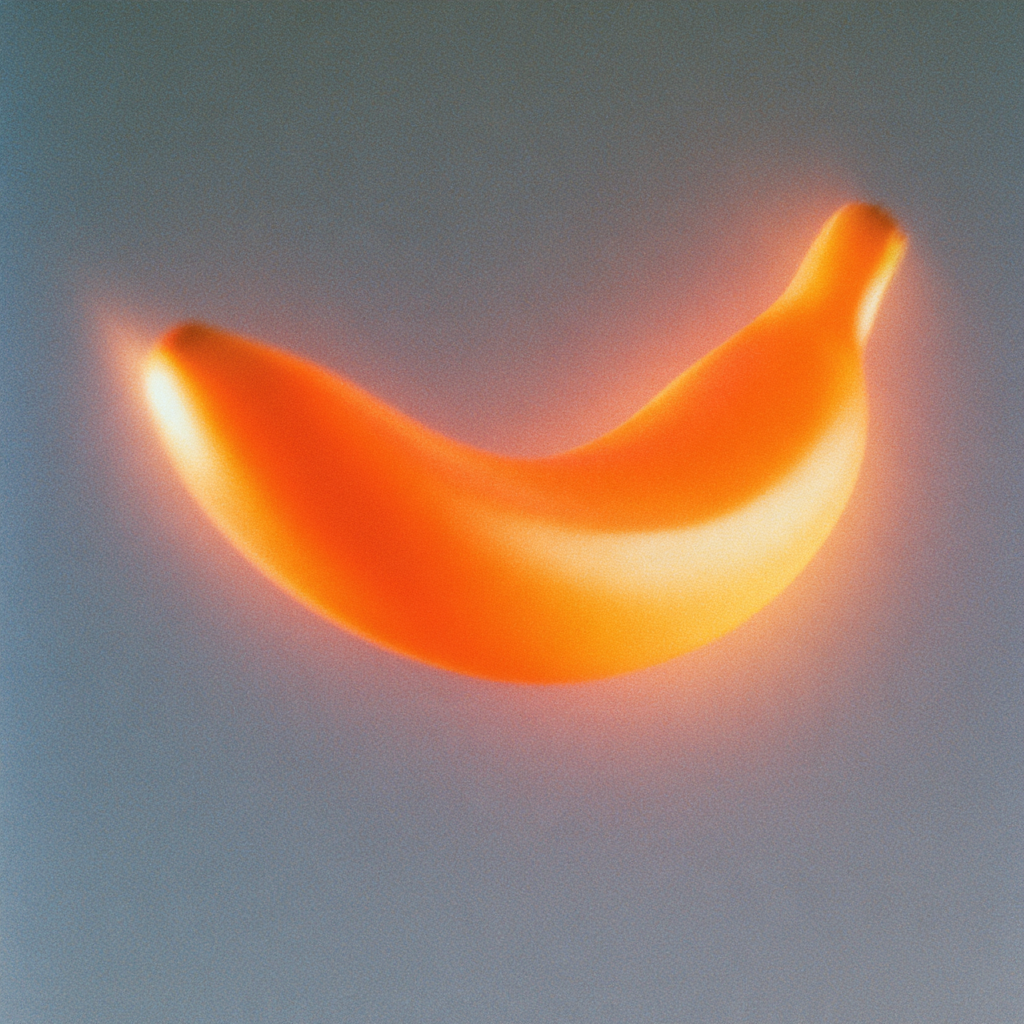
About Flux 2 | Max | Text to Image
What is FLUX.2 Max text-to-image and why is it the premium tier in the FLUX.2 lineup?
FLUX.2 Max is Black Forest Labs' highest-quality text-to-image model, offering maximum visual fidelity, the finest detail rendering, and the strongest prompt adherence in the FLUX.2 family. It is designed for professional use cases where output quality is the primary requirement, including advertising, editorial, and premium creative content production.