
FLUX-2
Flux 2 [klein] 4B Base from Black Forest Labs enables text-to-image generation with improved realism, sharper text rendering, and built-in native editing features.
Avg Run Time: 5.000s
Model Slug: flux-2-klein-4b-text-to-image
Playground
Input
Output
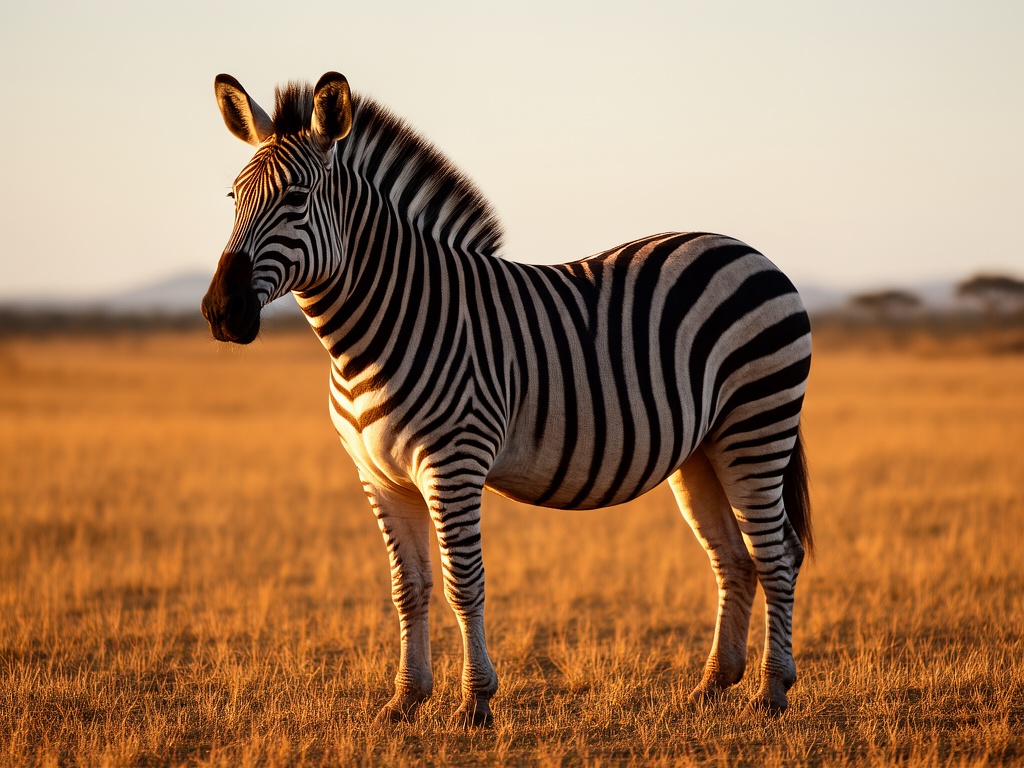
Example Result
Preview and download your result.
API & SDK
Create a Prediction
Send a POST request to create a new prediction. This will return a prediction ID that you'll use to check the result. The request should include your model inputs and API key.
Get Prediction Result
Poll the prediction endpoint with the prediction ID until the result is ready. The API uses long-polling, so you'll need to repeatedly check until you receive a success status.
Readme
Overview
flux-2-klein-4b-text-to-image — Text-to-Image AI Model
flux-2-klein-4b-text-to-image, the 4B base model from Black Forest Labs' FLUX.2 [klein] family, delivers photorealistic text-to-image generation with sub-second inference on consumer hardware, solving the need for fast, high-quality visuals without bulky setups. This compact 4 billion parameter model stands out by unifying text-to-image, image editing, and multi-reference generation in one architecture, producing images up to 4 megapixels with accurate text rendering and spatial reasoning that rivals larger models. Developers seeking a text-to-image AI model for real-time apps or Black Forest Labs text-to-image capabilities will find flux-2-klein-4b-text-to-image ideal, as it runs on GPUs with just 13GB VRAM like the RTX 3090.
Technical Specifications
What Sets flux-2-klein-4b-text-to-image Apart
flux-2-klein-4b-text-to-image excels with sub-second inference for text-to-image at 1024x1024 resolution, enabling real-time generation on consumer GPUs while matching quality of models five times larger. This speed empowers rapid prototyping without cloud dependency. It renders clean, legible text in complex layouts like infographics, a feat smaller models often fail, producing readable typography for UI mockups or branded visuals.
Spatial reasoning ensures realistic lighting, shadows, and object perspectives, reducing the unnatural "AI look" in outputs up to 4 megapixels. Users gain coherent, photorealistic scenes for professional applications. Multi-reference support allows input of multiple images to maintain consistent characters or styles across generations, perfect for product variations or character series.
- Apache 2.0 license: Fully open for commercial use and local deployment with ~13GB VRAM needs.
- Unified editing: Handles text-to-image, single/multi-reference image-to-image in one model, supporting aspect ratio adjustments.
- High-res efficiency: Up to 4MP outputs with preserved detail during edits, ideal for flux-2-klein-4b-text-to-image API integrations.
Key Considerations
- The 4B model is optimized for speed and accessibility on consumer hardware, making it ideal for real-time applications where latency is critical
- VRAM requirements scale with resolution and batch size; quantization options can significantly reduce memory footprint for resource-constrained environments
- The model uses Qwen 3.4B as its text encoder, which differs from the 9B variant that uses Qwen 3.8B; this affects text understanding capabilities and should be considered for complex prompt structures
- Quality-speed trade-off: the distilled 4B model prioritizes speed over the maximum quality of undistilled Base variants, though it still delivers frontier-level performance
- Multi-reference editing requires careful prompt engineering to blend multiple concepts effectively; iterative refinement often yields better results than single-pass generation
- The model demonstrates high resilience against violative inputs based on third-party safety evaluations, including synthetic CSAM and NCII testing
- Photorealistic outputs and high diversity are achievable, particularly with the base variants, though distilled versions optimize for speed
- Prompt specificity matters significantly; detailed descriptions of desired visual elements, style, composition, and lighting produce more accurate results
- The unified architecture means generation and editing use the same model, eliminating the need for separate pipelines or model switching
Tips & Tricks
How to Use flux-2-klein-4b-text-to-image on Eachlabs
Access flux-2-klein-4b-text-to-image seamlessly on Eachlabs via Playground for instant testing, API for production flux-2-klein-4b-text-to-image API calls, or SDK for custom integrations. Input text prompts, optional reference images, and settings like guidance scale or resolution up to 1024x1024; receive photorealistic PNG outputs with precise text and details in seconds.
---Capabilities
- Generates photorealistic images from text descriptions with high fidelity and visual accuracy
- Performs image-to-image editing and transformation, including single-reference and multi-reference editing in a unified model
- Supports multi-reference generation, allowing users to blend concepts and iterate on complex compositions at sub-second speed
- Delivers frontier-level quality in text-to-image generation while maintaining sub-second inference times
- Renders text within images with improved clarity and accuracy compared to earlier models
- Handles complex character integration into diverse environments with proper perspective and lighting
- Supports nighttime relighting and atmospheric adjustments through image editing capabilities
- Generates high-diversity outputs suitable for creative exploration and iterative refinement
- Operates efficiently on consumer-grade hardware without requiring enterprise-level GPU resources
- Maintains consistent quality across different image resolutions up to 4 megapixels
- Provides both distilled variants optimized for speed and undistilled Base variants for maximum flexibility
- Supports fine-tuning and LoRA training through open-weight architecture
- Demonstrates robust safety characteristics with high resilience against violative input attempts
What Can I Use It For?
Use Cases for flux-2-klein-4b-text-to-image
Developers building interactive apps use flux-2-klein-4b-text-to-image for its sub-second text-to-image speed, generating base images locally via Diffusers library then editing via API for seamless workflows like "a modern laptop on a desk with code screen reflecting window light, add coffee mug shadow." This enables real-time iteration without latency issues.
Designers creating UI mockups leverage its superior text rendering, inputting prompts for infographics with multi-language labels that stay legible and spatially accurate, streamlining mockup production for client pitches. The model's coherent layouts save hours of manual fixes.
Marketers for e-commerce generate product visuals with multi-reference consistency, uploading brand photos and prompting variations like consistent lighting across scenes, ideal for AI image generator with text rendering needs. This cuts studio costs while maintaining brand unity.
Content creators experiment rapidly with the base model's guidance control, fine-tuning prompt adherence for diverse outputs in storytelling visuals, suiting those searching for fast text-to-image AI on consumer GPU
Things to Be Aware Of
- The model achieves sub-second inference on modern hardware like RTX 5080/5090, but actual performance varies significantly based on GPU generation and VRAM availability; older consumer GPUs may experience longer inference times
- Multi-reference editing quality depends heavily on prompt clarity and reference image relevance; poorly structured prompts or mismatched references can produce inconsistent blending
- The 4B variant uses Qwen 3.4B text encoder which has different capabilities than the 9B variant's Qwen 3.8B encoder; complex or nuanced prompts may benefit from the larger text encoder
- Quantization options (FP8, NVFP4) provide speed improvements but may introduce minor quality degradation; testing is recommended before production deployment
- The model demonstrates high diversity in outputs, which is beneficial for creative exploration but may require multiple generations to achieve specific desired results
- User feedback from technical communities indicates the model performs exceptionally well for photorealistic generation but may require more detailed prompting for abstract or highly stylized outputs
- Community testing shows the model handles hand pose accuracy and facial fidelity well, though complex hand interactions or extreme facial expressions may occasionally require iterative refinement
- The unified generation and editing architecture means the same model handles both tasks, eliminating model-switching overhead but requiring users to understand both capabilities
- Safety evaluations demonstrate high resilience against violative inputs, indicating robust content filtering without requiring additional external safety layers
- Users report the model's efficiency enables practical local deployment scenarios previously requiring cloud services, making it suitable for privacy-sensitive applications
- The Apache 2.0 license has generated positive community response regarding accessibility and commercial viability compared to restricted licensing models
- Performance benchmarks show the 4B model outperforms larger models like Qwen Image Edit while using significantly less compute, validating the efficiency claims
Limitations
- The 4B model prioritizes speed over maximum quality; users requiring absolute peak visual fidelity may benefit from the larger 9B variant or undistilled Base models despite longer inference times
- Maximum output resolution of 4 megapixels may be insufficient for certain professional applications requiring ultra-high-resolution imagery or large-format printing
- The model's text rendering improvements, while notable, may still produce occasional errors or inconsistencies in complex typography scenarios compared to specialized text rendering systems
Related AI Models
You can seamlessly integrate advanced AI capabilities into your applications without the hassle of managing complex infrastructure.
Nano Banana 2 delivers next-generation text-to-image generation, producing ultra high quality visuals with enhanced detail, realism, and prompt accuracy.
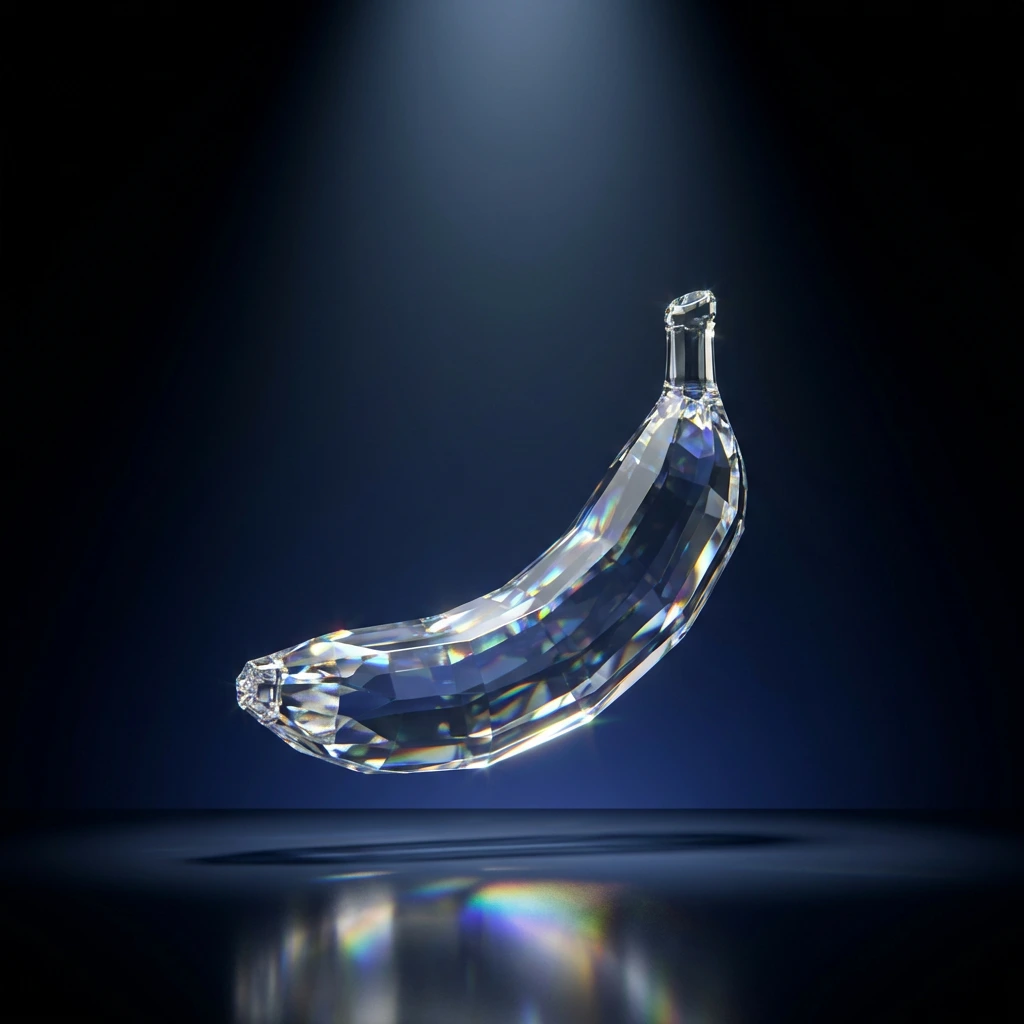
Flux 2 [klein] 4B from Black Forest Labs delivers text-to-image generation with enhanced realism, sharper text rendering, and integrated native editing tools.

Z-Image Turbo is an ultra-fast 6B-parameter text-to-image model developed by Tongyi-MAI, designed for rapid and high-quality image generation.
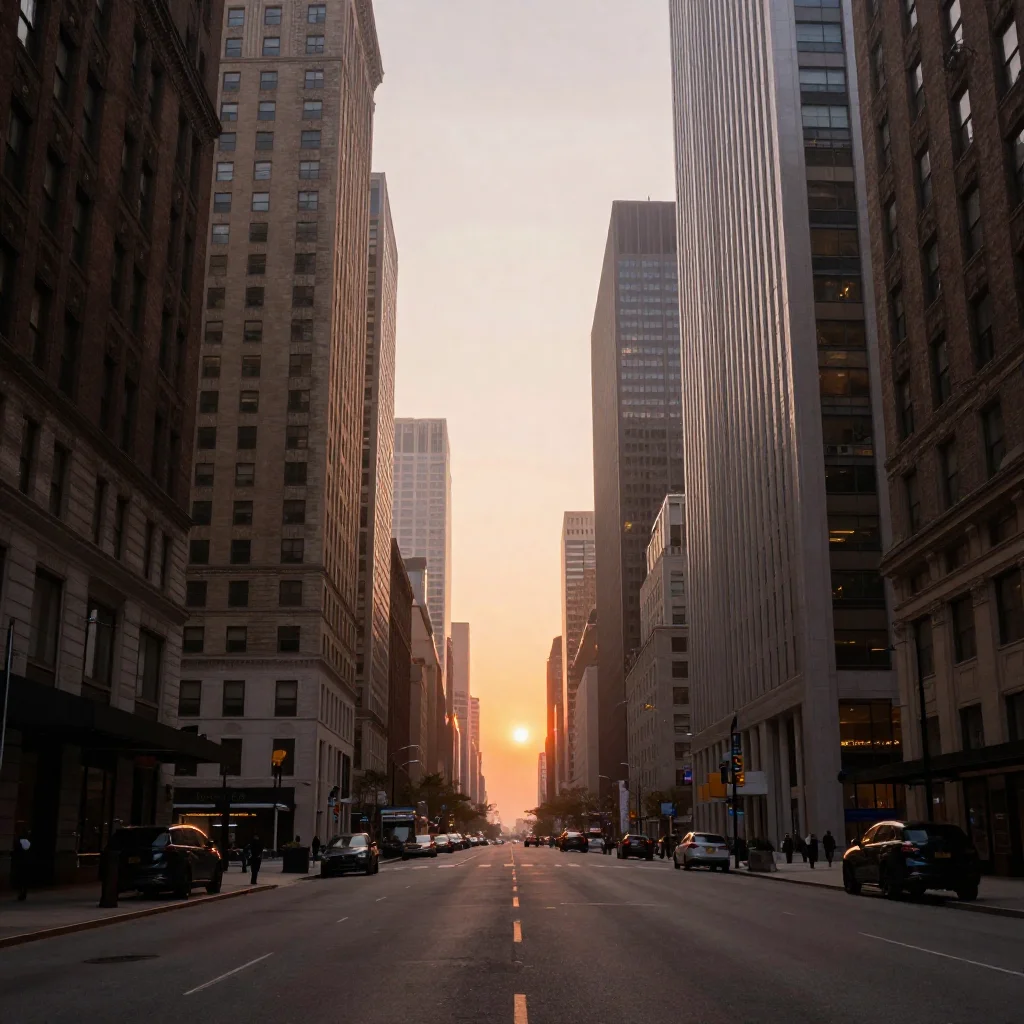
Ovis-Image is a 7B text-to-image model optimized for fast generation and exceptionally clean, high-quality text rendering in images.