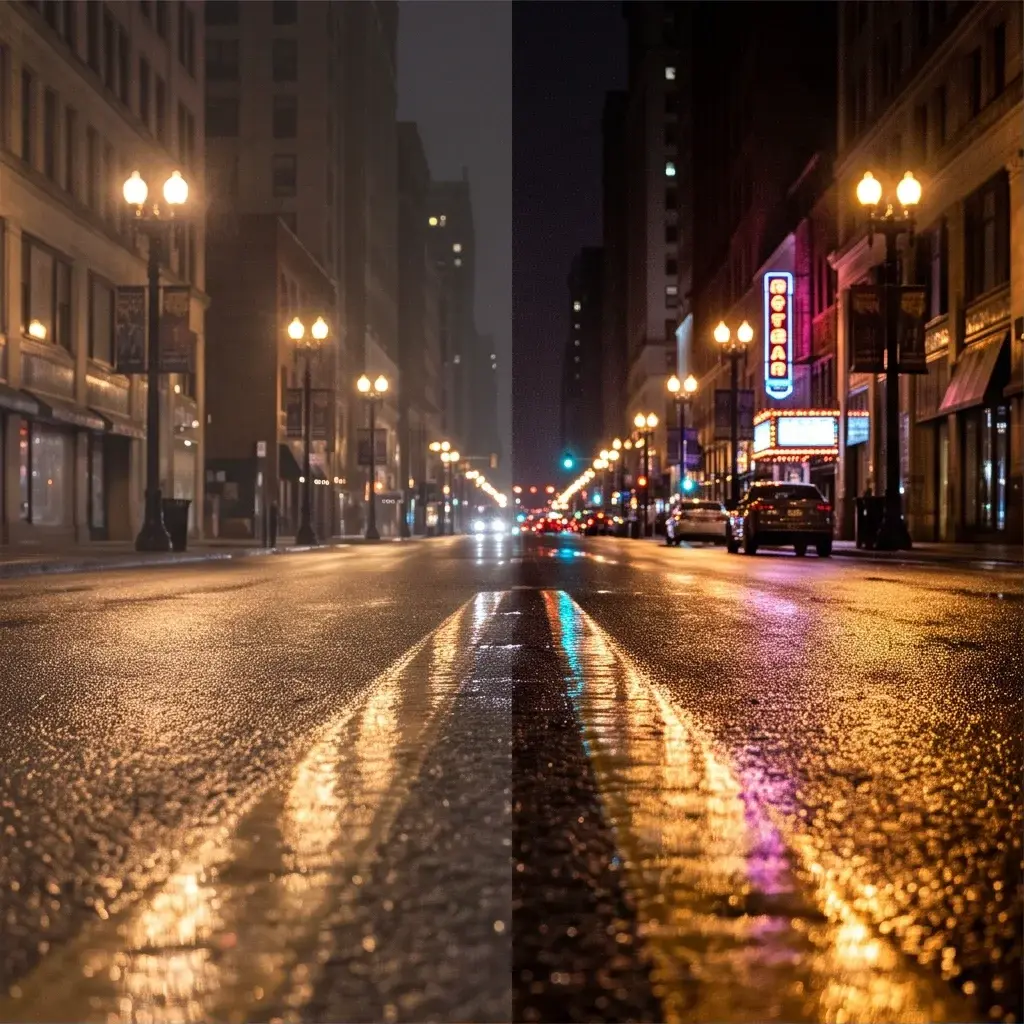
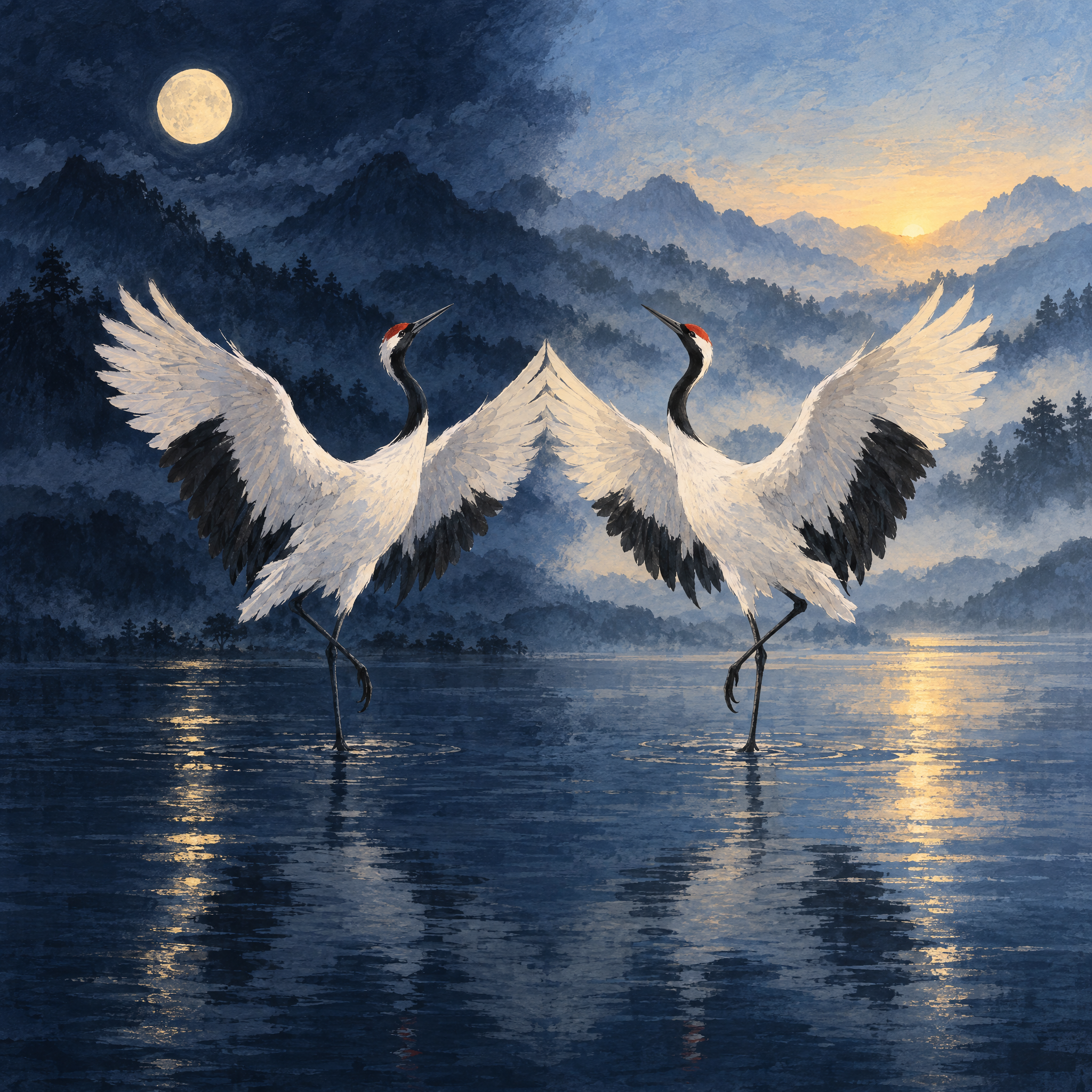
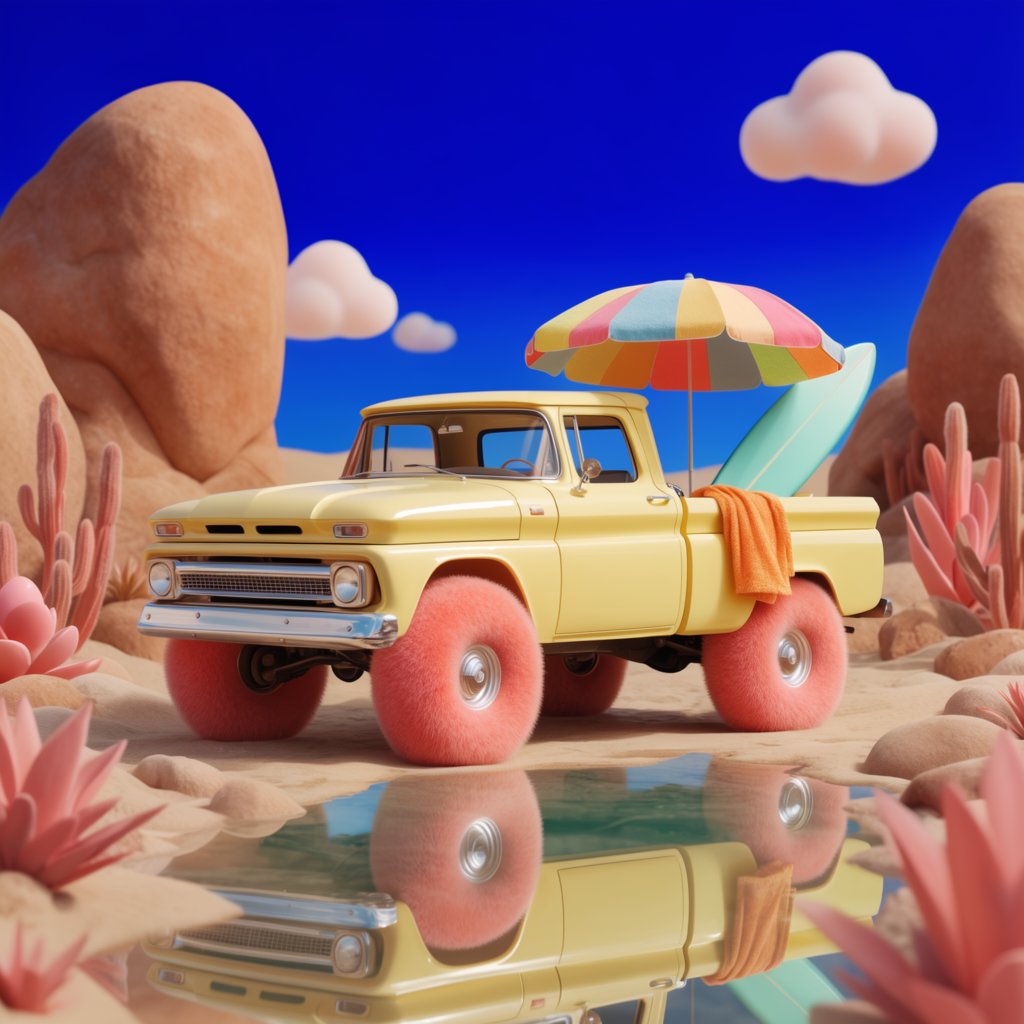
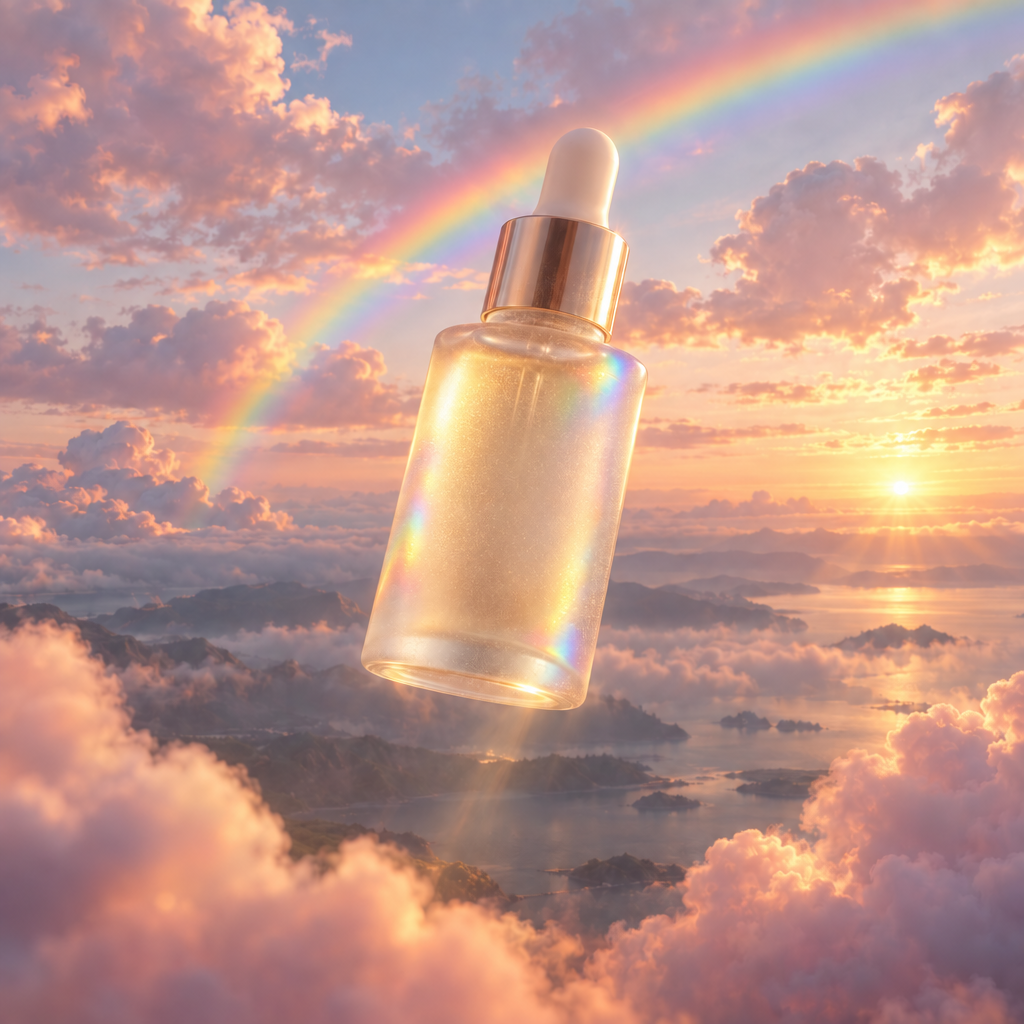
 inference · 18.3s
SDXL Controlnet
SDXL Controlnet enhances image generation by providing precise control over structure and details.
- Runtime (p50)
- 18s
- Estimated price
- $0.00108 per processing second
Overview
sdxl-controlnet — Image-to-Image AI Model
sdxl-controlnet, developed by Stability as part of the sdxl family, empowers developers and creators with precise structural control in image-to-image AI generation, transforming reference images into detailed outputs while preserving poses, edges, and layouts. This Stability image-to-image model excels in workflows requiring exact adherence to input structures, such as pose-guided edits or depth-based refinements, making it ideal for AI image editor API integrations. Unlike standard diffusion models, sdxl-controlnet leverages ControlNet architecture to condition SDXL generations on control maps like canny edges or depth, delivering high-fidelity results at resolutions up to 1024x1024.
Capabilities
- Enables precise control over image structure, pose, and composition using reference images or control maps
- Supports multiple control modes: segmentation, scribble, illusion, edge detection, pose detection, depth mapping
- Generates high-resolution, photorealistic images with strong fidelity to user-specified constraints
- Versatile across artistic, photorealistic, and stylized outputs
- Can replicate or transform existing images, turn sketches into detailed artwork, and blend graphic elements naturally
- Strong technical adaptability for both single and dual reference conditioning
Use cases
Use Cases for sdxl-controlnet
Game developers prototyping character designs: Feed a base sprite with a pose reference image and prompt "armored knight in dynamic combat stance, medieval fantasy style," using openpose control to generate consistent animations across frames, streamlining asset pipelines without manual rigging.
E-commerce marketers enhancing product photos: Upload a product shot with a depth map control, prompting "place sneakers on urban street at dusk with neon reflections," to create lifestyle composites that match brand aesthetics—perfect for AI photo editing for e-commerce without photoshoots.
UI/UX designers iterating interfaces: Provide wireframe sketches via canny edge detection as control input, combined with "modern dashboard in dark mode, responsive layout," yielding pixel-perfect mockups that preserve layout integrity for rapid prototyping in automated image editing API flows.
Film VFX artists refining scenes: Use depth or segmentation maps from footage plates with prompts like "add cyberpunk crowd in rainy alley, volumetric fog," ensuring controlled integrations that align with live-action plates for seamless compositing.
Tips & tricks
How to Use sdxl-controlnet on Eachlabs
Access sdxl-controlnet through Eachlabs Playground for instant testing with prompts, control images (e.g., edges, poses), and strength settings (0.5-1.0 recommended), or integrate via API/SDK with parameters like denoise (0.6-0.8), steps (20-30), and resolution up to 1024x1024. Generate high-quality PNG/JPG outputs in seconds to minutes, scaling effortlessly for production image-to-image workflows.
---Technical spec
What Sets sdxl-controlnet Apart
sdxl-controlnet stands out in the image-to-image AI model landscape through its integration of ControlNet with SDXL's advanced base, enabling unprecedented precision in guiding generations via auxiliary inputs like edge maps or pose skeletons. This allows users to maintain intricate details from reference images that generic models often distort. It supports resolutions from 512x512 to 1024x1024, with processing times around 30-70 seconds on mid-range GPUs for 768x768 outputs, outperforming base SDXL in structural fidelity.
- ControlNet conditioning for multiple input types: Applies canny, depth, or openpose maps to SDXL conditioning, ensuring outputs strictly follow input structures; this enables reliable human pose transfers or architectural recreations without hallucinations.
- SDXL-scale high-resolution control: Handles 1024x1024 images with refiner support via CLIP Text Encode SDXL nodes, producing sharper details than SD 1.5 ControlNet; ideal for professional image-to-image AI model applications demanding print-quality edits.
- Advanced node compatibility in ComfyUI: Features like Apply ControlNet (Advanced) allow fine-tuned strength adjustments (0-2 range) on conditioning data; developers gain flexible pipelines for batch image editing APIs.
These capabilities make sdxl-controlnet a top choice for Stability image-to-image tasks, weaving in long-tail searches like "edit images with AI using control maps."
Things to be aware of
- Some experimental features, such as illusion mode, may behave unpredictably with complex patterns or backgrounds
- Users report occasional quirks with face generation when using high control weights, especially in IP-Adapter plus mode
- Performance may degrade on lower-end hardware, especially at high resolutions or with multiple control inputs
- Consistency across batches can vary; iterative refinement is often necessary for best results
- Positive feedback highlights the model’s ability to faithfully replicate poses and compositions from reference images
- Common concerns include occasional rigidity in outputs when over-constrained, and slower generation times with complex conditioning
- Resource requirements are higher than vanilla SDXL due to additional neural network layers and preprocessing steps
Key considerations
- ControlNet requires compatible preprocessors and control maps for optimal results; mismatched settings can lead to poor outputs
- Best results are achieved when the control input (e.g., pose, edge map) is clear and well-defined
- Overly complex or noisy control maps may confuse the model and reduce output quality
- There is a trade-off between generation speed and output quality; more control inputs and higher resolutions increase computational load
- Prompt engineering remains important; combining descriptive text prompts with precise control maps yields the best results
- Multiple ControlNets can be used for advanced conditioning, but may require careful balancing of control weights
Limitations
- May struggle with highly abstract or ambiguous control inputs, leading to unpredictable results
- Not optimal for pure text-to-image generation without structural guidance; excels when control maps are provided
- Generation speed is slower compared to standard SDXL, especially with multiple or complex control modes enabled