LTX-V2
Transform a single photo into a dynamic video clip featuring professional camera movements (pan/tilt) and cinematic lighting with ltx-v-2-image-to-video technology.
Avg Run Time: 90.000s
Model Slug: ltx-v-2-image-to-video
Playground
Input
Enter a URL or choose a file from your computer.
Invalid URL.
(Max 50MB)
Output
Example Result
Preview and download your result.
API & SDK
Create a Prediction
Send a POST request to create a new prediction. This will return a prediction ID that you'll use to check the result. The request should include your model inputs and API key.
Get Prediction Result
Poll the prediction endpoint with the prediction ID until the result is ready. The API uses long-polling, so you'll need to repeatedly check until you receive a success status.
Readme
Overview
ltx-v-2-image-to-video — Image-to-Video AI Model
Developed by LTX as part of the ltx-v2 family, ltx-v-2-image-to-video transforms static images into dynamic video clips with professional camera movements like pan and tilt, synchronized stereo audio, and cinematic lighting, solving the challenge of creating production-grade audiovisual content from a single photo. This image-to-video AI model leverages LTX-2's efficient dual-stream architecture to generate up to 10 seconds of high-fidelity video at resolutions like 1080p, enabling creators to animate photos with realistic motion and sound in seconds.
Ideal for developers seeking an LTX image-to-video solution, ltx-v-2-image-to-video supports standard aspect ratios such as 16:9 landscape or 9:16 portrait, making it perfect for social media clips or ads from uploaded images.
Technical Specifications
What Sets ltx-v-2-image-to-video Apart
ltx-v-2-image-to-video stands out in the image-to-video landscape through LTX-2's asymmetric dual-stream transformer (14B video + 5B audio parameters), which generates synchronized stereo audio alongside video in a single pass, unlike video-only models that require separate audio post-production. This enables seamless audiovisual clips where sound effects, music, or dialogue perfectly match image-derived motion, streamlining workflows for audio-led scenes.
Its multi-scale, multi-tile inference produces Full HD (1080p) or up to 4K output from a base low-res generation, with tiled refinement for details like textures without excessive VRAM—up to 18x faster than competitors like Wan 2.2-14B on H100 GPUs (1.22s per step).
Supporting 257 frames max (~10s at 25fps), frame rates from 24-60fps, and resolutions divisible by 32 (e.g., 1920x1080, 768x512), it handles custom dimensions efficiently via staged upscaling.
- Depth-aware generation and OpenPose-driven motion from input images ensure precise camera control (pan/tilt) and stylistic consistency.
- Unified latent processing merges image-conditioned video and audio streams for coherent, high-frame-rate outputs like 50fps cinematic clips.
Key Considerations
- Efficiency and Cost: LTX-2 offers significant cost savings with up to 50% lower compute costs compared to other models.
- Hardware Requirements: Runs efficiently on consumer-grade GPUs, making it accessible to a broader range of users.
- Creative Control: Offers extensive control through multi-keyframe conditioning and LoRA fine-tuning.
- Quality vs Speed Trade-offs: Users can choose between different performance modes (Fast, Pro, Ultra) to balance quality and speed.
- Prompt Engineering Tips: Crafting precise input prompts is crucial for achieving desired outputs, especially with text-to-video generation.
Tips & Tricks
How to Use ltx-v-2-image-to-video on Eachlabs
Access ltx-v-2-image-to-video through Eachlabs' Playground for instant testing—upload an image, add a text prompt specifying motion like "gentle pan right with dramatic lighting," select resolution (e.g., 1280x720), frame count (121-161), and FPS (25 default). Generate via API or SDK with parameters for aspect ratio, upscaling, and audio sync; outputs deliver MP4 video with WAV audio in seconds, optimized for production.
---Capabilities
- Synchronized Audio and Video Generation: Creates cohesive and professional outputs by aligning motion, dialogue, ambiance, and music.
- High-Fidelity Video: Supports native 4K resolution at up to 50 frames per second.
- Versatility: Offers multiple input modes, including text-to-video and image-to-video generation.
- Efficiency: Runs on consumer-grade GPUs with reduced compute costs.
- Creative Control: Provides frame-level control and stylistic consistency through advanced features.
What Can I Use It For?
Use Cases for ltx-v-2-image-to-video
Content creators can upload a product photo to ltx-v-2-image-to-video and generate animated demos with subtle pan movements and ambient sound, ideal for e-commerce visuals where static images become engaging 10-second clips without manual editing.
Marketers building social media campaigns use this image-to-video AI model to animate brand assets; for instance, input a logo image with a prompt like "smooth tilt zoom on the logo with uplifting orchestral music and sparkling light effects," producing vertical 1080x1920 videos ready for TikTok or Instagram Reels.
Developers integrating ltx-v-2-image-to-video API into apps animate user-uploaded portraits with realistic head turns and synced voiceover, supporting OpenPose for precise motion control in avatar or tutorial tools.
Filmmakers experiment with fast iterations at 768x512 resolution, upscaling to 1080p for storyboards—transforming a scene still into a dynamic establishing shot with environmental audio, accelerating pre-production.
Things to Be Aware Of
- Experimental Features: The model is still evolving, with full open-source release and community contributions expected to enhance its capabilities.
- Performance Considerations: While efficient, running LTX-2 requires significant GPU resources, especially for high-resolution outputs.
- Resource Requirements: Users need access to high-end consumer-grade GPUs for optimal performance.
- Consistency Factors: Outputs may vary slightly between different runs due to the nature of AI generation.
- Positive Feedback Themes: Users appreciate the model's speed, quality, and accessibility.
- Common Concerns: Some users may face challenges with prompt engineering and achieving consistent results.
Limitations
- Technical Constraints: Currently limited to sequences up to 10 seconds long, which may not be sufficient for all applications.
- Compute Requirements: While it runs on consumer-grade GPUs, high-resolution outputs still require significant computational resources.
- Output Consistency: Achieving consistent artistic style across different outputs can be challenging without precise control over input parameters.
Related AI Models
You can seamlessly integrate advanced AI capabilities into your applications without the hassle of managing complex infrastructure.
Pixverse v5.6 Transition model to seamlessly transform your text and images into smooth, high quality animated videos with cinematic motion and dynamic scene transitions.
Omnihuman v1.5 is an upgraded generation model that creates videos from a human image and an audio input, producing vivid, high-quality results with expressive movements and emotionally responsive performance.
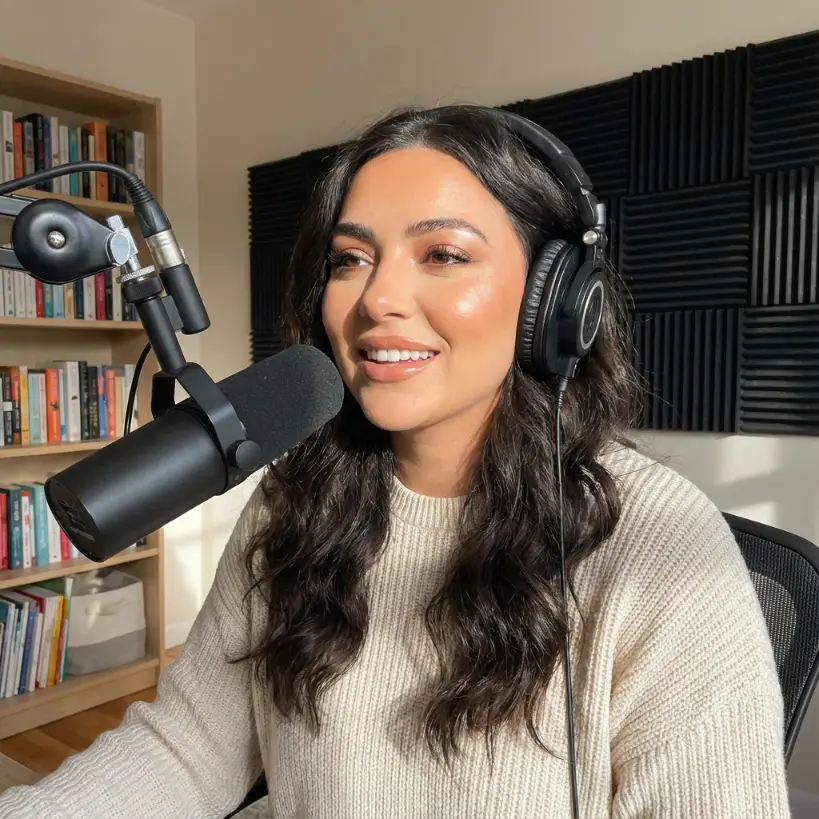
Transforms images, elements, and text into cohesive, high-quality video scenes while preserving character identity, object detail, and environmental consistency.
Pixverse v5.6 turns static images into stunning, high-quality videos with natural motion, smooth transitions, and cinematic visuals in seconds.